CG creatures in commercials can be fantastical or resemble real animals. Audiences ultimately judge realism based on whether the creature shares the same world as the lighting, ground, atmosphere, motion speed, and other objects in the shot; polygon count is merely one basic requirement.
First, establish a reference package for each shot.
A reference package should include at least motion references, scale references, ambient lighting references, and live-action plates. Motion references can come from animal observation, physical experiments, or temporary performances filmed by the director. Scale references must clarify the relationship between paws, body, and camera. Ambient lighting references help the lighting and compositing teams understand shadow direction, color, and atmospheric haze.
Research Seed 0667 reviews creature and natural phenomenon VFX across multiple commercials, including an avalanche shot involving live-action plates, survey data, tracking, and cross-location collaboration. The key takeaway here is the relationship between pre-production references and post-production handoffs; specific brands, locations, and past project details are not presented as production commitments in this article.
Motion must first pass a physics check.
Creature animation must first answer three questions: Where does the weight fall? Which joint group drives the movement? What reaction occurs upon ground contact? Actions like running, jumping, pouncing, and turning should undergo low-cost previs to confirm timing and framing before proceeding to high-fidelity simulation and detailed animation.
Natural phenomena must also follow explainable motion logic. Snow, smoke, liquids, and fur can utilize simulation tools, but each shot still requires defined reference parameters; random noise cannot replace directorial intent. Blender’s physics and tracking documentation can serve as a baseline for verifying fundamental terminology.
The compositing interface determines the final mile.
Tracking data, camera parameters, shadows, reflections, depth of field, motion blur, and render passes must be clearly documented during shot handoff. Compositors need to know which elements are adjustable and which are baked into the base plate. If on-set measurements, gray balls, or color charts are missing, post-production must document the resulting uncertainties as shot risks.
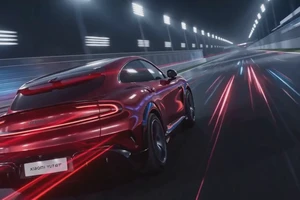
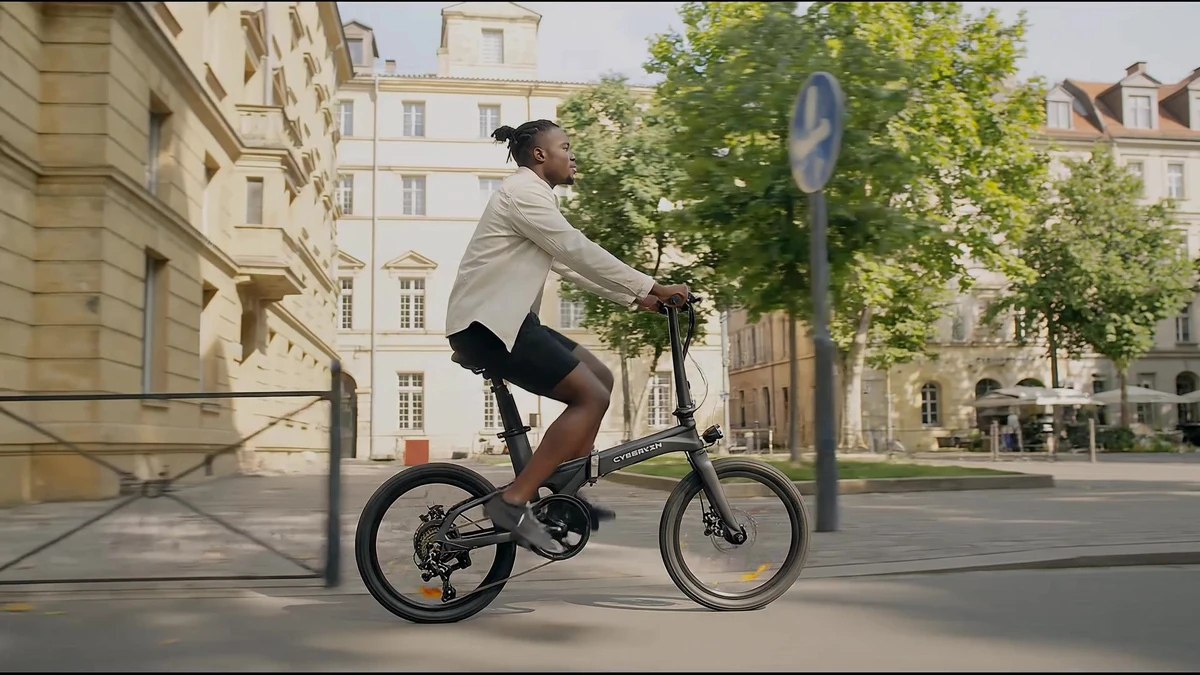
The image below is an action shot from ONCE's in-house car commercial, used to observe subject motion, contact relationships, and background perspective. It is not a study of CG creature assets from the seed.
Review using the shot list before delivery.
For each shot, verify at minimum that references are complete, the camera solve is stable, contact shadows are believable, material highlights respond to environmental changes, depth of field and motion blur match, and layered files can reconstruct the final image. Once shots are approved, conduct a full edit pacing and brand identity check to significantly reduce rework.
If you need to integrate live-action, CG, and compositing into a controllable pipeline, start with ONCE Commercial Imaging Solutions Specify shot types and deliverable versions.
Material Verification
- Research Seed 0667 Creature features, VFX in TVCs
- Blender Manual Physics
- Blender Manual Motion tracking