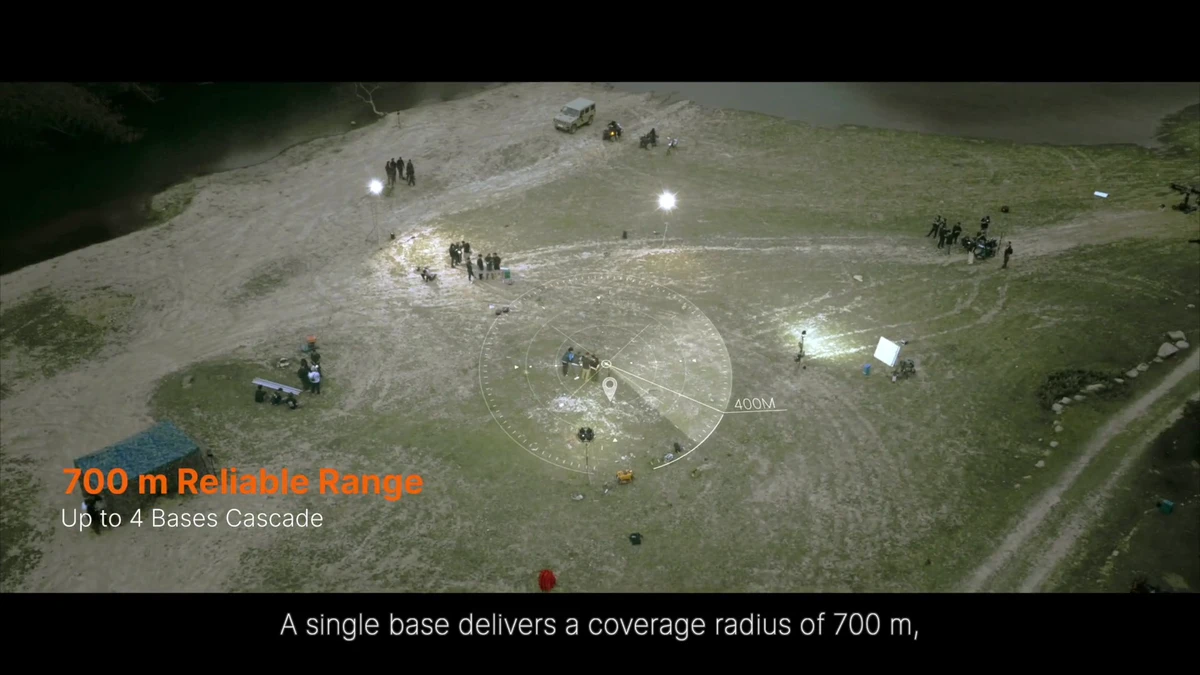
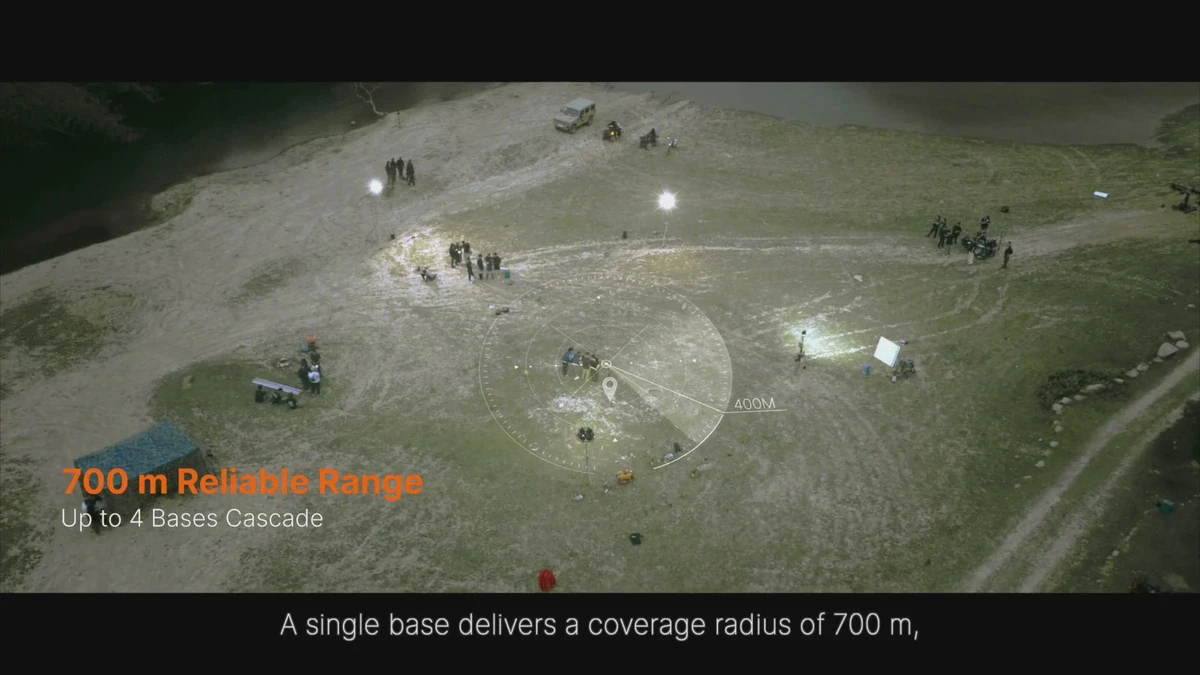

In ad film projects, brands typically juggle marketing goals, product details, internal approvals, and production budgets simultaneously. Shooting is just one milestone; successful delivery depends on clearly defining decision-makers, freeze dates, and mandatory elements upfront. ## Turn the Brief into a One-Page Actionable Document Materials provided to the production team must include at least the target audience, product version, brand positioning, communication goals, distribution channels, call-to-action guidelines, budget range, and launch date. Separately list non-negotiables such as packaging text, legal copy, logo usage guidelines, product screen time, and safety standards. Research Seed 0092 discusses how brand managers coordinate across multiple internal roles. A key takeaway is establishing a working habit: articulate product, consumer, and business objectives in verifiable statements first, so creative discussions don't devolve into personal preferences. ## Define Roles and Deadlines for the Approval Chain Ideally, designate a single point of contact for daily decisions. Legal, sales, product, and management may participate, but each role's review scope should be agreed upon in advance. Set clear deadlines for script approval, shoot confirmation, rough cut review, and final delivery; any feedback submitted past these milestones must enter a change log. The change log need not be complex—simply record the requester, affected shots, schedule impact, additional costs, and final decision. This ensures that when new packaging or URLs appear on set, the team can assess their impact on specific shots rather than treating ad-hoc requests as free revisions. ## Align Quotes with Specific Shots and Deliverables Line-item quotes should trace back to cinematography, lighting, locations, talent, props, post-production, audio, and versioning. List the hero film, vertical short cuts, international subtitled versions, and e-commerce functional edits separately. Brands must understand how each change affects downstream costs; a low total price alone does not support effective project decision-making. The image below is from an ONCE studio communication video, illustrating collaboration among the brand, director, and production team. It does not correspond to a specific project in Research Seed 0092, nor does it represent external case footage cited in this article.
ONCE Studio Team Communication Case Footage
Screenshot from an ONCE studio video used to discuss on-set communication and approval workflows. This footage is not original material from Research Seed 0092.
## Final Review Must Verify Business Objectives While visual polish matters, brand identity and communication goals also deserve dedicated checkpoints in the final review form. Ask three questions: Can viewers identify the brand? Are product selling points correctly placed? Does the call-to-action align with the distribution channel? When preparing for production or post-production collaboration, brands can submit their objectives, channels, and version requirements via the [ONCE Commercial Visual Solutions Portal](https://www.oncevisual.com/solutions/230.html), allowing the production team to break them down into shot lists and deliverable checklists. ## References - Research Seed 0092 [A Brand Manager's View of Production and Post](https://www.fxguide.com/fxfeatured/a_brand_managers_view_of_production_and_post/) - Adobe Frame.io [Review and Approval](https://help.frame.io/hc/en-us/articles/360042314514-Review-and-Approval) - ONCE [Commercial Visual Solutions](https://www.oncevisual.com/solutions/230.html)