Seamless CGI and live-action compositing relies on more than just matching colors in the final pass. Without comprehensive on-set references, camera positions, lighting changes, contact relationships, and clean plates, post-production is left to guesswork to fill in the gaps.
Essential On-Set Evidence for Post-Production
Complex shots typically require previs, actor and stunt double performances, clean plates, reflection and gray ball references, HDR lighting captures, and camera tracking data. Each element answers one question: how should digital assets exist within this real space?
Public behind-the-scenes materials from Real Steel categorize these tasks into on-set passes, dynamic HDR, contact interactions, framing, and data handoffs. They also demonstrate that a single environment sphere cannot fully define spatial relationships when digital characters move through varying light sources.
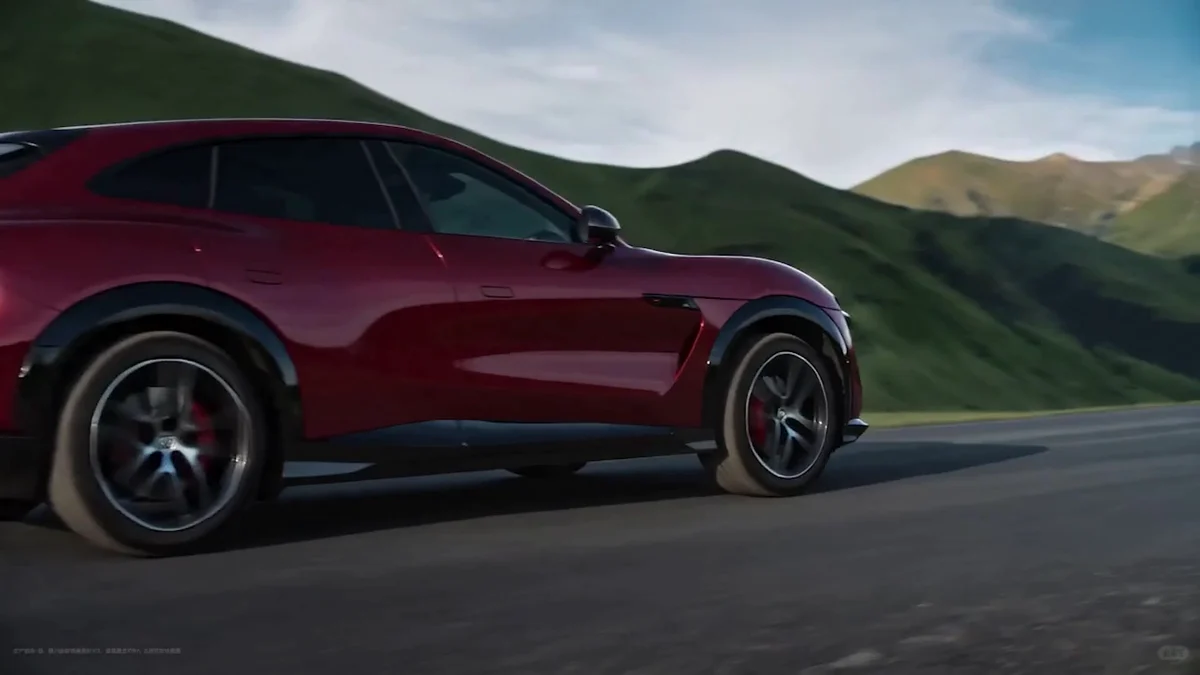
The image below is from an ONCE-owned automotive video, used to discuss shot relationships involving vehicles, roads, and environmental reflections. It does not imply that CGI or on-set HDR capture was used in this article's footage.
Physical contact reveals flaws more easily than lighting alone.
When digital characters touch tables, car doors, floors, or held objects, shadows, bounce light, occlusion, and motion timing must all align. Simply darkening the contact area still leaves the character looking like it is floating. Capturing stand-in and prop actions during filming provides essential references for animation and compositing.
Camera and data must be seamlessly handed off to the next stage.
Epic’s current lens calibration documentation aligns physical cameras, lens distortion, and virtual cameras within a single pipeline. Projects must also maintain mappings between shots, timecodes, versions, clean plates, and reference images to prevent compositors from receiving unnamed files.
A short test can be produced before principal photography begins.
- Shots involving character or product contact
- Shots with prominent reflections and dynamic lighting
- Shots with rapid camera movement
- Shots featuring occlusion, pass-throughs, and foreground-background relationships
If you are compiling an on-set checklist for live-action and CGI, you can start from ONCE Project Brief Entry Start communication.
Material Review
- Research Seed 0779 Real Steel CGI and live action integration
- Epic Games Camera Lens Calibration Overview
- Epic Games In-Camera VFX Best Practices