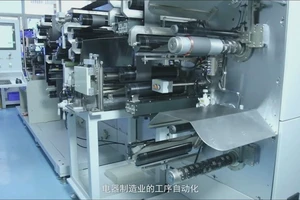
Direct Answer: For smart manufacturing videos targeting overseas procurement, you don't need to prove how big the factory is first; let the viewer see three verifiable issues first: how the product or material is made, how key processes are controlled, and who confirms quality at what checkpoint. Aerial shots and equipment panoramas can be kept, but they should serve these three things.
Many factory video openings feel familiar: the campus, the entrance sign, long production lines, fast-moving robotic arms. The footage isn't bad, but it often leaves a procurement decision-maker who is encountering the brand for the first time still unsure: which specific link does this company's capability actually lie in? Scale is background, not the answer.
More Machines Does Not Equal More Evidence
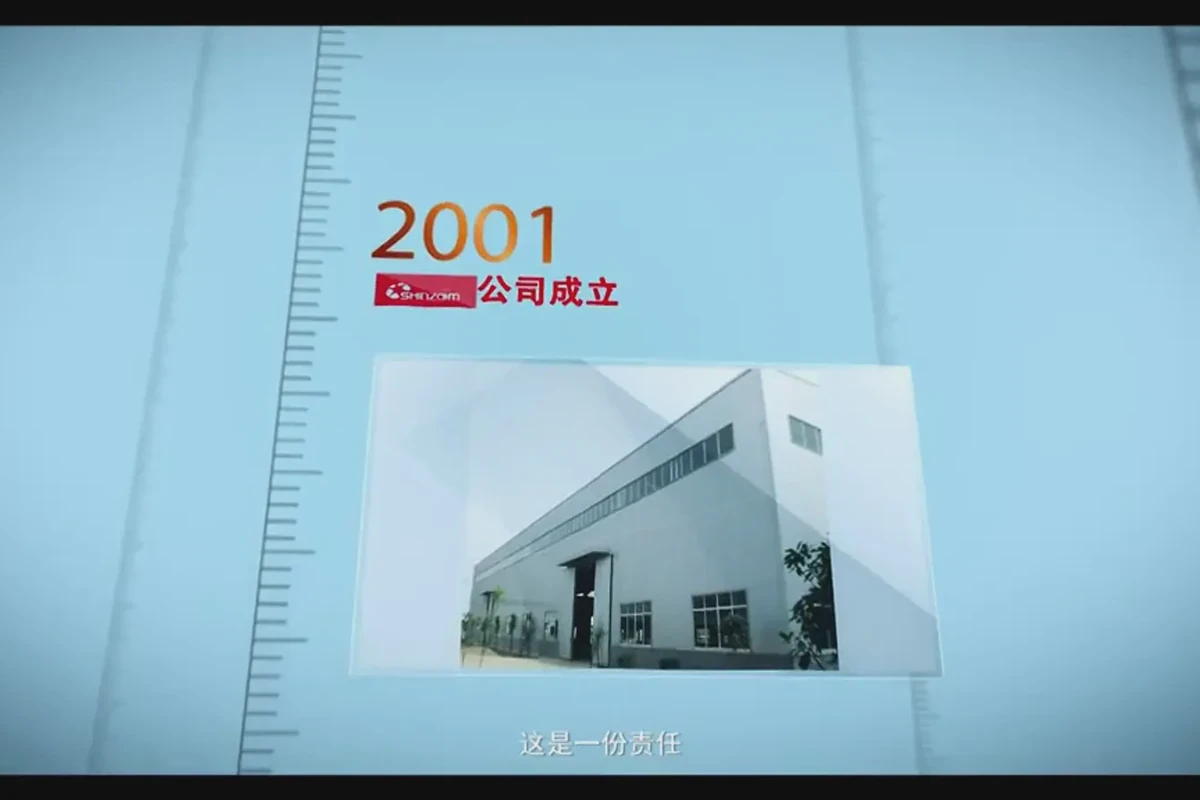
The Star City Graphite case puts the campus, R&D, manufacturing, inspection, and collaboration into one narrative. It reminds us that the most valuable moment in industrial footage is not when the machines look most spectacular, but when the process relationships become clear: where the material enters, which process step changes it, and how inspection hands the judgment over to people and data.
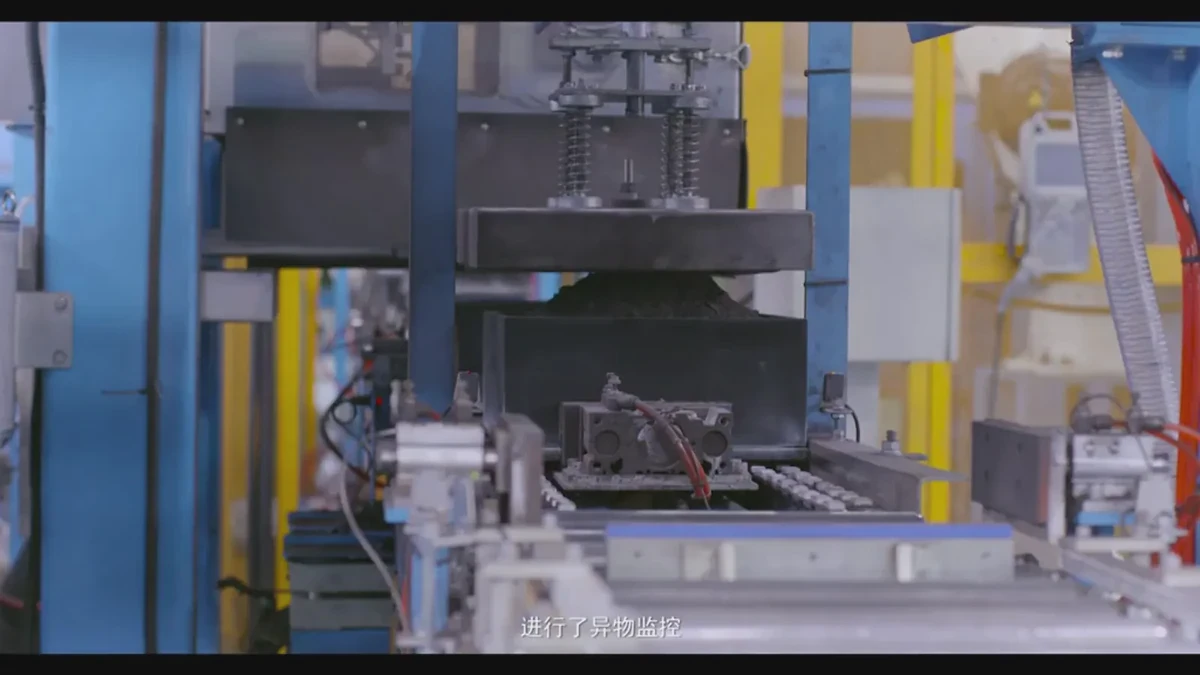
A more practical scripting approach is to write down the question each shot answers next to it, instead of only describing the shot type:
- How is it made? Use the continuous relationship between materials, equipment, and operations to replace the abstract "advanced production line."
- What could go wrong? Show the actual inspection, review, calibration, or sample retention actions; there is no need to fabricate a promise of zero defects.
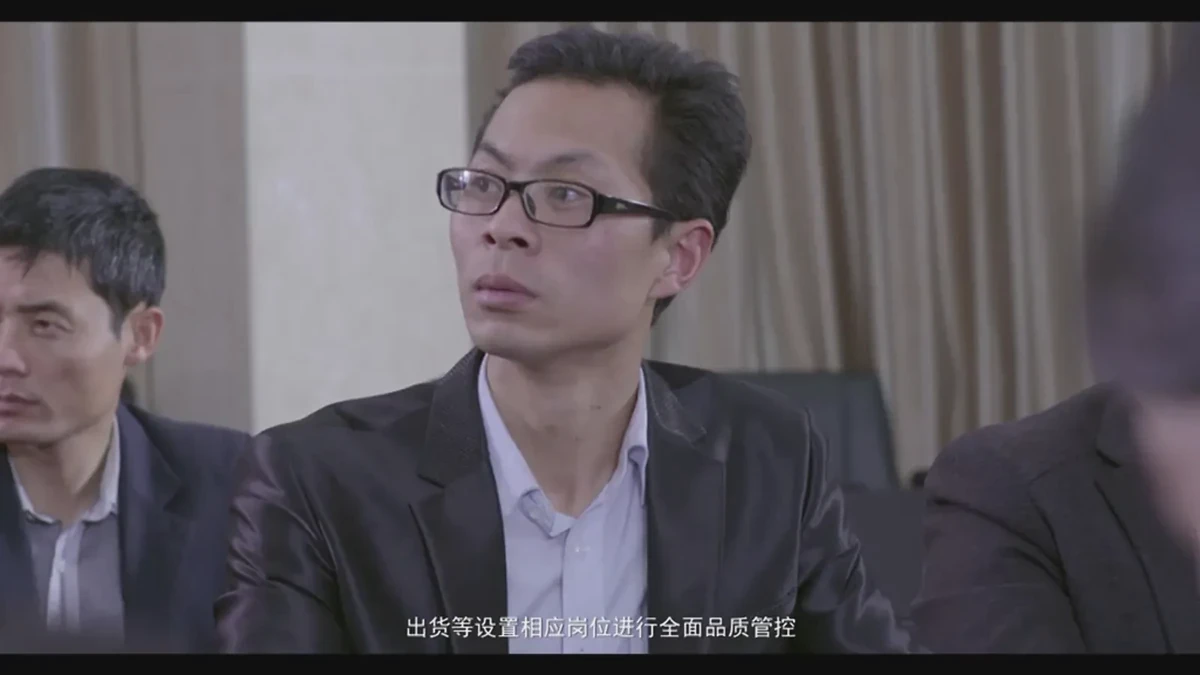
- Who is responsible for this? Let R&D, process engineering, quality control, or delivery personnel appear at their real work nodes, rather than lining up for a group photo.
The Same Video Does Not Have to Take Everyone Down the Same Viewing Path
The main video on the official website can present the company's overall picture; the sales team needs process evidence that can be put into emails or meeting openings; short-form social media clips only need one question and one answer. Writing these three use cases into the storyboard in advance means you won't have to force a product explanation out of a "brand image video" in post-production.
Taking a standalone site as an example, Shopify treats images, 3D models, and videos all as product media and requires themes to have the corresponding display support; this means product page videos should be planned together with specifications, images, and page structure, rather than being crammed in after the brand film is already shot. If you want to make process clips into vertical Reels, Meta recommends leaving the bottom 35% clear so that key information, text, or logos are not obscured by the interface.
Make a "Procurement Question Card" Before Shooting
No complex form is needed. For each planned shot, write down just four items: procurement question, visible action, non-exaggerable boundary, and cuttable version. For example, "whether there is a stable inspection process" can correspond to one actual inspection operation; but it cannot automatically imply that "all batches are risk-free." This card forces the team to distinguish between visual evidence and marketing slogans, and also makes it easier for legal, sales, and production to reach an agreement before shooting starts.
If the buying committee includes procurement, technical, and management roles simultaneously, you can continue reading Three B2B Sales Versions for Procurement, Technical, and Management Audiences; if you need to string together the factory, products, and overseas pages into executable content assets, you can also learn about Cross-Border E-Commerce Product Video Production. A truly persuasive manufacturing video is not about making the factory look bigger, but about bringing the judgment the buyer cares about most closer.
References: Shopify Help Center: Product media; Meta for Business: Instagram Reels Creative Tips.