Direct answer: The opening of a 3D brand short does not need to explain the premise first; first have a character do something with a goal, then let the environment create resistance. Once the audience is willing to follow along, there is an entry point for the product, brand, or world.
Many teams understand "world-building" as information volume: how big the city is, how complex the textures are, how many pages of lore. But a short film is not a lore book. When facing unfamiliar characters and spaces, viewers first need to know who is doing what and why they should keep watching. The character is the route; the world is the evidence that appears along the way.
Turn "character introduction" into a small task
The opening only needs to answer three things: what the character wants to approach, what interrupts them, and where they go next. It does not need dialogue to explain, nor does it need to write brand values on screen. A head turn, a choice, light behind a door — these establish a viewing relationship more easily than a panoramic sweep of an unfamiliar city.
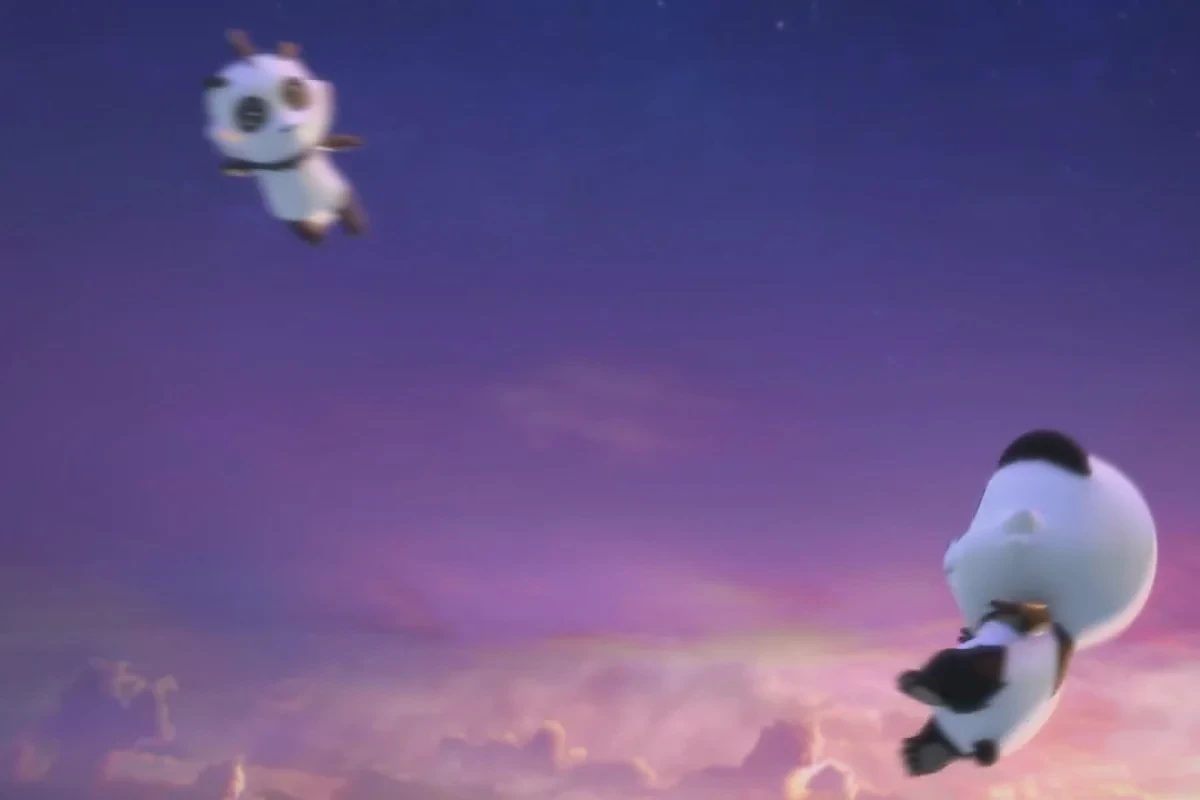
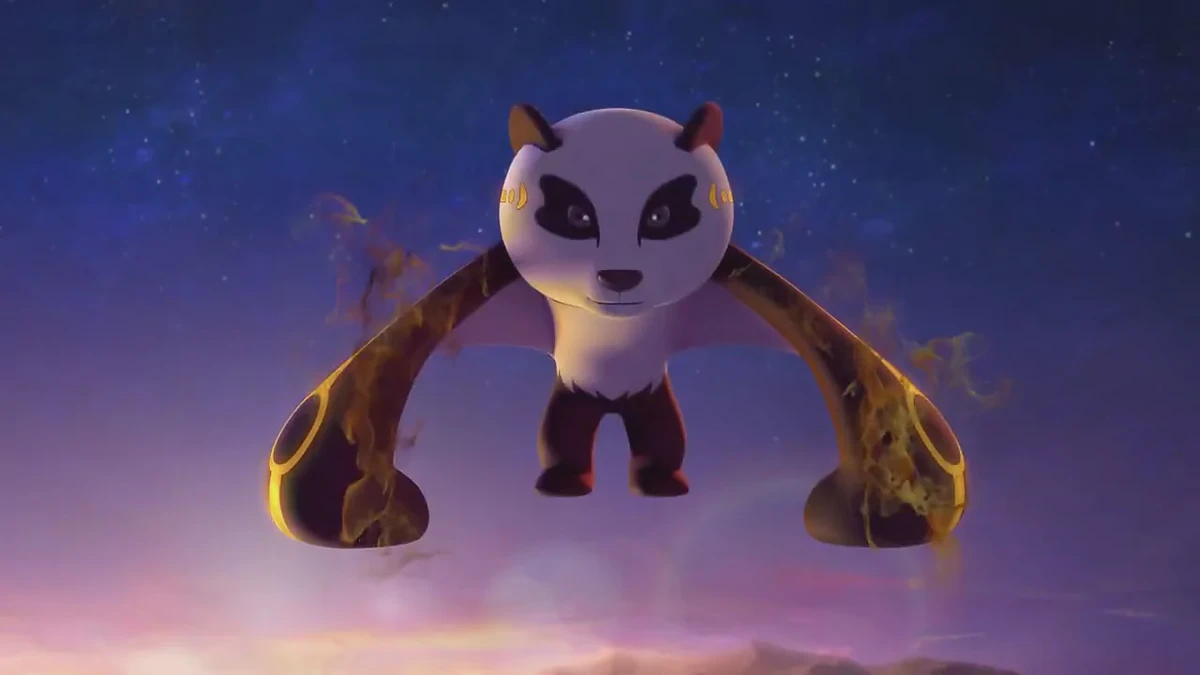
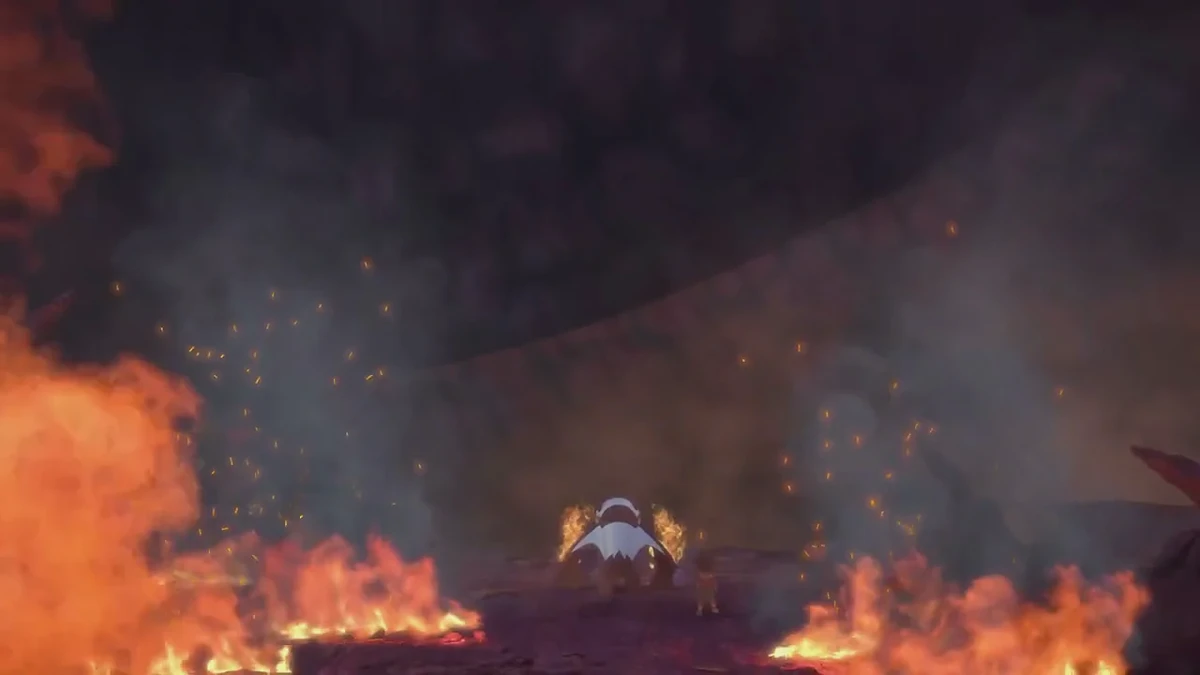
In the Ancient Mythology 3D fantasy adventure case, the panda companion is not a decorative element of the scene but the viewer's coordinate for understanding the mythological space. This approach offers inspiration for brand characters, gamified product launches, or IP that requires long-form series: first define the character's task in this episode, then decide which settings are worth showing.
Spectacle belongs where the "task needs it"
This does not mean lowering art or effects quality. On the contrary, scenes that appear when the character needs to cross, search, or dodge transform from background into narrative action. In the production brief, shots can be divided into three types: character action shots, relationship reaction shots, and world rule shots. Each type serves only one question, so post-production will not need to use shot scale to fill time.
If the short also needs to be broken into advertising assets, the rhythm needs to be sharper. TikTok's official creative advice suggests presenting the product or core proposition within the first 3 seconds and focusing on the first 6 seconds; this suits the entry method of portrait short cuts, but does not mean the main film must abandon setup. A more practical approach: the main film keeps the character task, and the short cut starts directly at the frame where "the task encounters resistance." Refer to TikTok Creative Best Practices for short video creative requirements.
Let product page videos take on different work
The brand short is responsible for making people willing to enter; the product page video should help people judge. For teams using Shopify, product media can include video, and the first media item serves as the primary media for collection pages, cart, checkout, and homepage. This is not the place to copy the world-building main film: after building emotion with the character, still create a separate product page version that clearly shows the product, use relationship, or key differentiators. Shopify's product media documentation outlines this media position and sorting boundaries.
So before starting a 3D project, write one line: who does the audience follow first, toward what, and at which moment do they see the brand. Then discuss model detail, particle count, and shot quantity. To combine the character, scene, and brand expression in the same narrative path, learn about brand promotional film production, or refer to the visual identity verification method for brand videos to turn "looking good" into discussable visual rules.