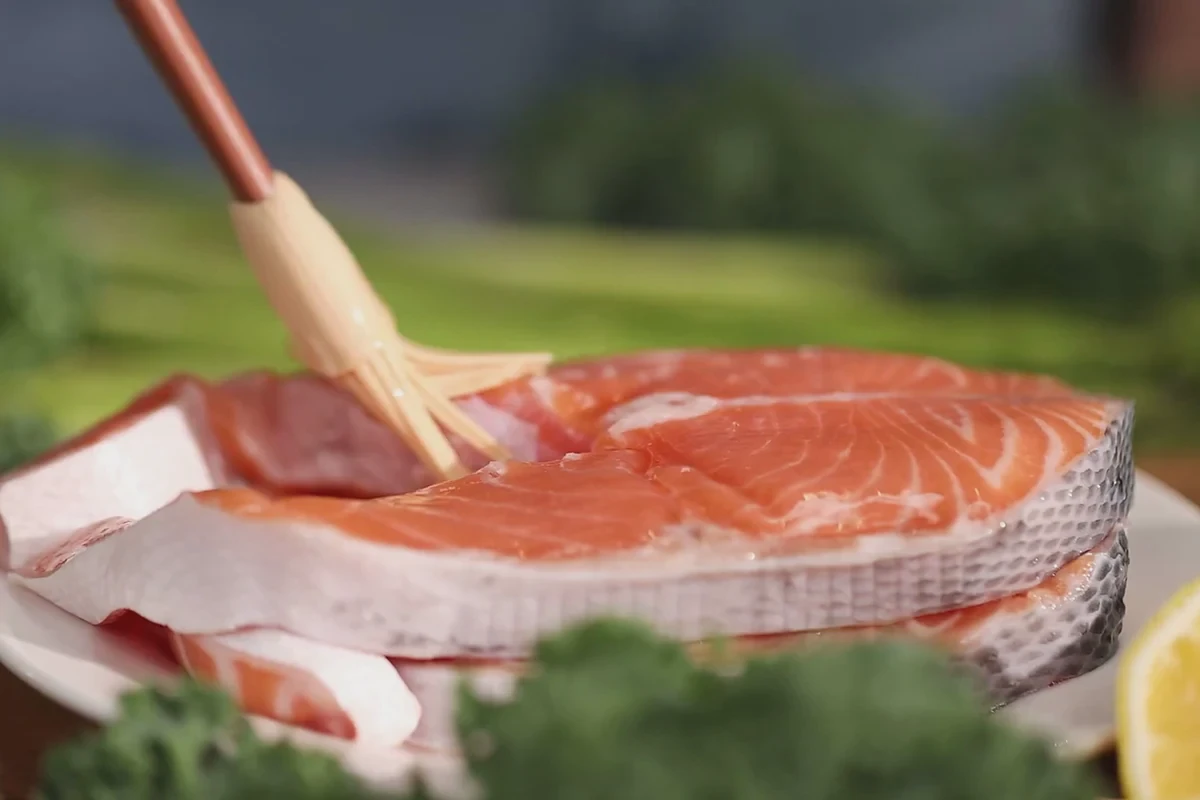
Direct Answer: For products with dual cavities or multiple modes, the video shouldn't cram all features into a single segment. First let viewers see “what task each of the two areas serves,” then show a continuous operation and a visible result; only then do selling points transform from specs into purchase reasons. It's the same for TikTok Shop and product page videos: the product, action, and result must align.
The FO12B dual-cavity air fryer case offers a simple reminder: the value of dual cavities isn't about having one more number — it's about making the relationship between two ingredients, two time periods, or two users visible. The shot first establishes the product as a whole, then directs attention to specific actions, allowing viewers to enter the scene without reading a manual first.
Capture the Relationship First, Don't List Features
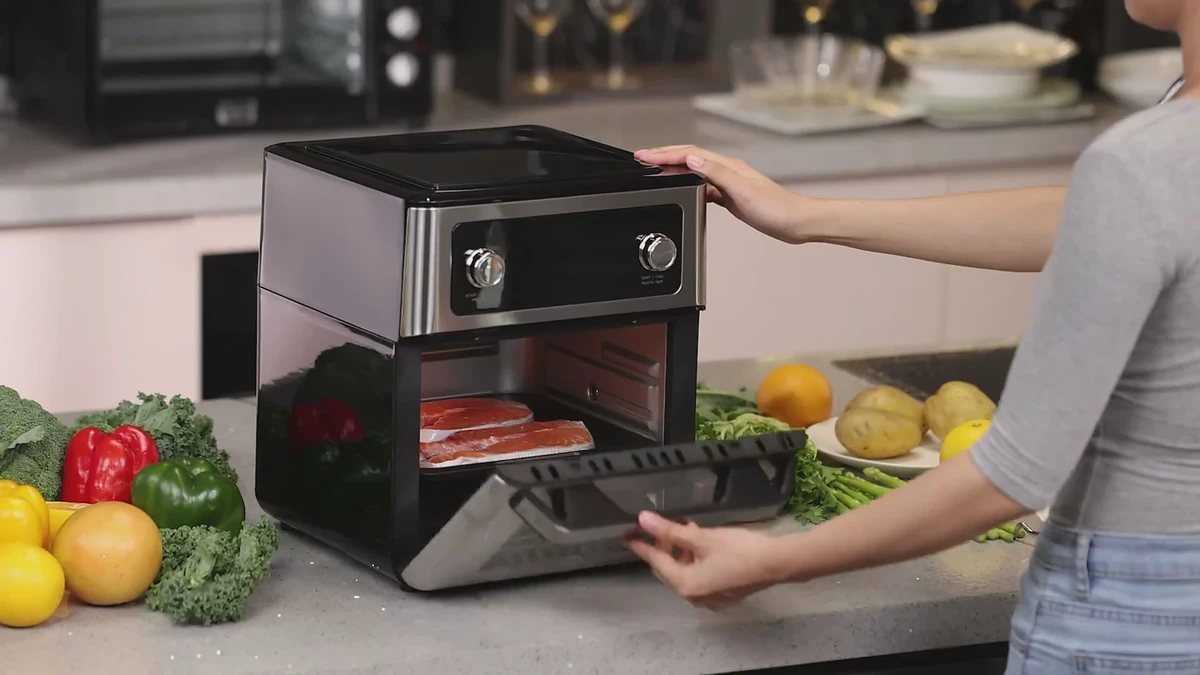
When a product has two cavities, what viewers really want to determine is: why do I need this? So the opening should answer two things — what each side is handling and why they need to appear simultaneously. A full product wide shot establishes the structure; ingredients, hands, or control actions establish the task. This sequence is especially suitable for cross-language communication, because the visuals complete most of the explanation before the subtitles do.
TikTok Shop Academy, in its product video recommendations, lists product features, user benefits, and multi-angle demonstrations as three types of information that should be clearly presented. Translating this into shooting language means not increasing the number of shots, but ensuring each shot carries only one judgment: what the product is, how to use it, and what you get in the end.
Action Shots Must Stand on Their Own
A common problem with feature demos is cutting too fast: a knob flashes, a drawer flashes, the finished product flashes — all the information is there, but no single action is understood. A safer approach is to keep a complete action chain: open, place, set, remove. To emphasize dual cavities, the two actions should have a clear sequential or parallel relationship, rather than using jump cuts to fake complexity.
Product Pages and Ads Shouldn't Each Shoot an Isolated Video
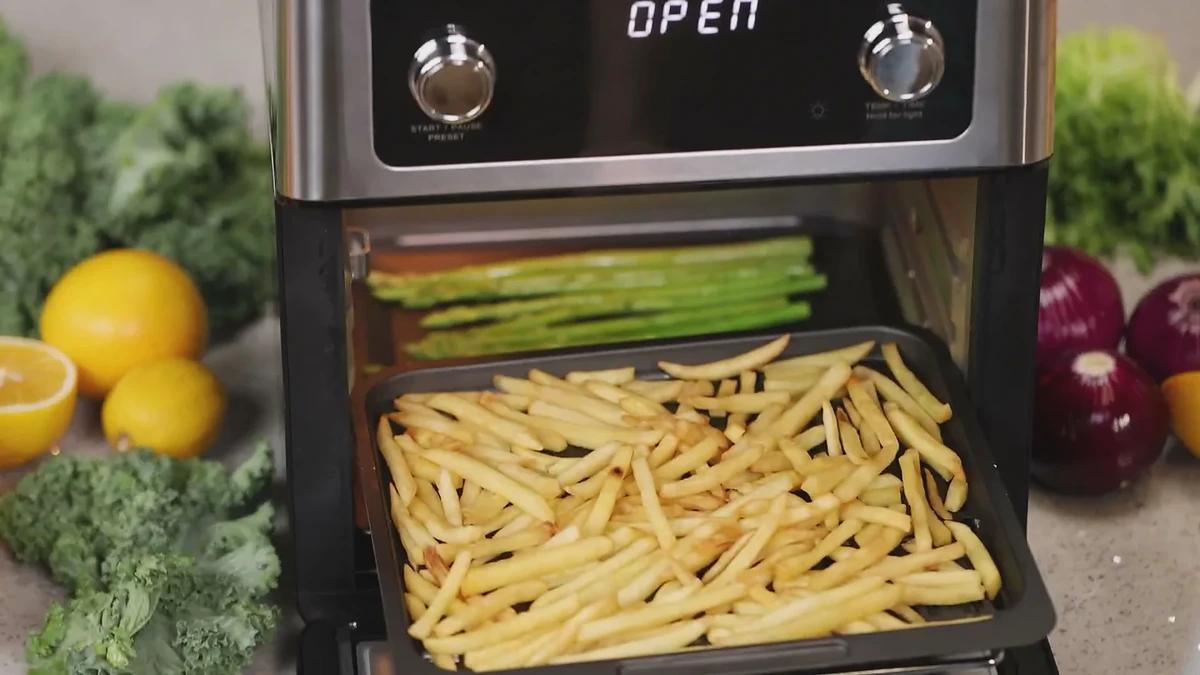
The same batch of footage can be arranged in different orders: the product page version keeps more structure, details, and operations; the ad version can start with the result or problem but should still return to the actual product. Shopify's product media documentation specifies video format and theme support requirements; before going live, don't just check whether the file can upload — also check whether the theme displays the video correctly.
When this content is used for advertising, you should also go back and verify that the product and product page are consistent. We discussed asset eligibility in GMV Max Creative Source & Licensing Checklist; and the Cross-Border E-Commerce Product Video Production Solution is better suited for including product pages, ad requirements, and version needs together in the brief before production.
A good video for a dual-cavity product isn't about cramming “twice the information” into one clip — it's about letting viewers, on their first watch, be able to recount the parallel task it solves.