LinkedIn short-form video for brands expanding overseas should not be made by forcing a long corporate film into 30 seconds. A more effective approach is to let target customers first see a familiar business scenario, then answer the issue with a piece of verifiable product or team evidence, and finally direct the CTA toward the next conversation. For cross-border brands and overseas marketing teams, the task of short-form video is not to “tell the whole company story,” but to give sales leads a reason to keep learning.
Write “Who Will Share This?” into the Script First
A LinkedIn viewer often does not make a decision alone: procurement, technical, marketing, and business leaders assess from different angles whether content is worth sharing. Before the meeting, write one sentence for each group answering “Why would this person send the video to a colleague?” A technical lead, for example, needs to see genuine operating logic; procurement wants to confirm delivery capability; and marketing needs a key-visual clue that can extend into a Campaign. This judgment works backward to determine talent, setting, shots, and subtitles, preventing the storyboard from becoming a collection of attractive but useless empty shots.
Replace Abstract Slogans with Situational Conflict
The most common mistake on set is putting “professional, innovative, and global” into the voiceover without giving viewers a moment they can enter. A better hook is a specific small event: an on-site engineer is checking parameters, a client is asking about delivery timing from a screen, or an overseas salesperson needs to add a credible case-study page after the demonstration. Give the person a task first; then the product, team, or service has a reason to enter the image. Even when watched muted, the resulting short video retains clear emotional progression and user perception.
Arrange Product Evidence into a 15–30-Second Rhythm
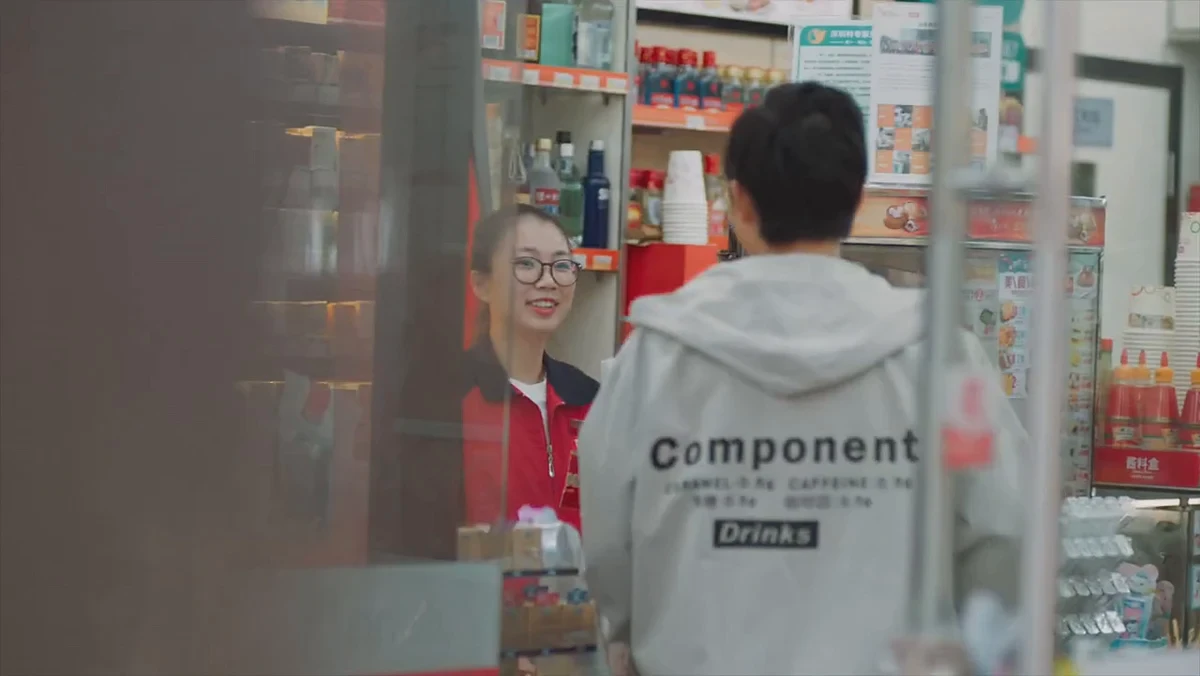
Short-form video does not mean a rapid pileup of shots. We usually reserve the first section for the problem or a person’s action, the second for one understandable piece of evidence, and the third for the brand and next step. Evidence may be a real device operation, a before-and-after comparison of the product in context, or the team’s response at a key milestone. The key is for each shot to answer only one question. LinkedIn’s Official Video Advertising Creative Guide likewise emphasizes that shot length, composition, and action design should serve a clear objective. Subtitles need safe areas, and core selling points should not fill the entire screen, leaving room to rearrange overseas versions.
Divide One Main Film into Three Types of Sales Touchpoint
A single shoot should not deliver only one “full version.” The main film suits the website, company page, or post-event follow-up; 15–30-second cuts can test different openings in the feed; and interviews, process close-ups, and customer scenarios can become lightweight assets for sales colleagues to send one-to-one. Before filming, list the audience, aspect ratio, subtitle language, cover, and CTA for each asset in the same delivery table, so temporary media buying does not force a reshoot. This content-asset approach also lets the brand reuse footage continuously in response to Campaign feedback rather than starting from scratch each time.
How to Preserve Room for Overseas Versions on Set
Overseas communication is not achieved by translating a Chinese end card into English. The key visual must leave room for landscape and vertical crops; on-screen text needs replaceable layers; spoken lines should preferably be recorded on a clean track; and ambient and product-operation sounds should be captured separately. On set, we shoot an additional group of clean product details without text, a group of complete actions, and a group of looser environmental shots, leaving editing latitude for YouTube, LinkedIn, the website, and sales demonstrations. Professional production is measured not by how busy the shoot day looks, but by whether every later reuse avoids a return to set.
Connect the CTA to Sales Follow-Up, Not an End-Card Slogan
A CTA is not the four words “Contact us now” pasted into the final second. It must correspond to the information viewers have just received: after watching an equipment demonstration, they can enter the case page to review the process; after a customer scenario, they can download a solution or book a conversation; after a brand story, they are directed to a team or project introduction. Google Ads’ ABCD Video Creative Principles likewise treat a clear next step as part of the creative. Only when the CTA is supported jointly by the script, shots, and landing page will sales leads avoid disappearing when playback ends.
Let Every Impression Accumulate Trust Overseas
When ONCE VISUAL creates overseas content, we break selling points into shot tasks, then translate those tasks back into storyboard rhythm, an asset matrix, and version delivery. Rather than producing a corporate film that merely looks complete, we care whether overseas customers can understand it quickly, sales colleagues want to send it, and the next Campaign has assets to test. To compare more narrative short films, view the Huawei App Services Narrative Advertisement Collection, or browse Social Media Short-Form Video Cases. If your team is planning shared video assets for LinkedIn, the website, and sales follow-up, bring your existing Brief to a conversation and we can define the first piece of content’s task together.