A cross-border kitchen-appliance product video shooting checklist is not primarily about capturing a few more attractive angles. It begins by dividing one main video into four task groups: first-screen recognition, operational proof, finished-food appeal, product-page answers, and advertising short cuts. This allows the content needed by Amazon, Shopify, and TikTok Shop to grow from the same shoot, while saving the brand an additional shoot and another round of asset disputes.
First, Turn the Content-Asset Goal into a Shooting List
For kitchen appliances such as a dual-basket air fryer, consumers judge three things within seconds: whether it is the right size, whether operation is complicated, and whether the food it makes is worth anticipating. Before rushing to list “product close-ups,” ask the owners of operations, media buying, and the product page to each write one question that viewers must understand. On set, translate those questions into shots: front-view recognition, knob or screen feedback, the opening action, ingredient capacity, cooking process, and finished-food close-ups.
When ONCE VISUAL handles cross-border product projects, we divide this list again into four columns: key visual, selling-point evidence, relationship to the setting, and CTA handoff. Every shot must have a destination: the product page reduces comprehension cost, the advertising first screen earns attention, short cuts enable testing, and after-sales and social content build trust over time. More footage does not necessarily mean more assets; only imagery that can be retrieved accurately counts as an asset.
Use the First Screen, Operation, and Finished Food to Build a Three-Part Storyboard Rhythm
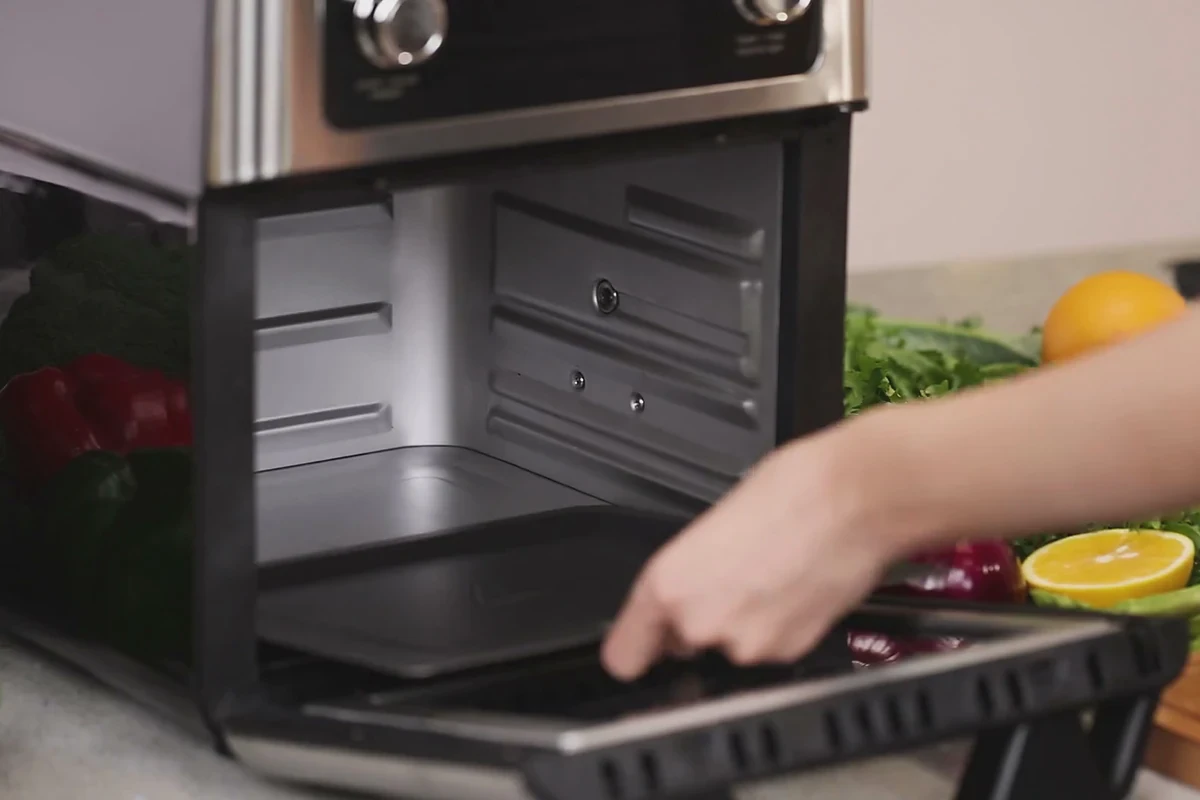
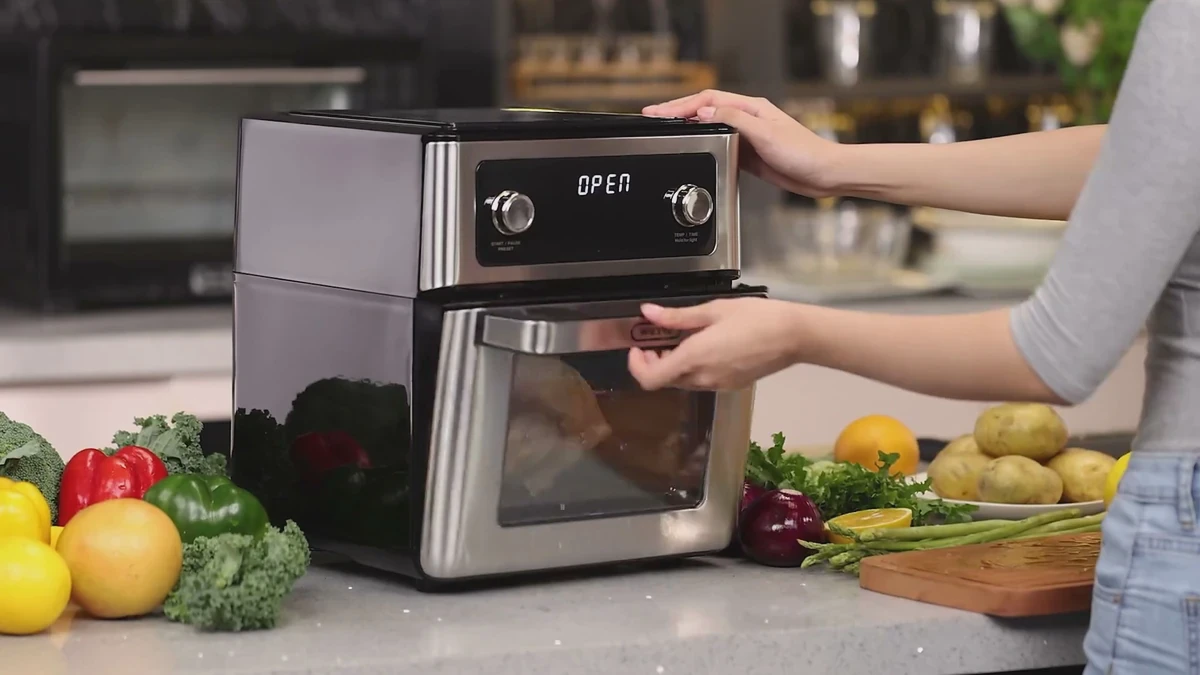
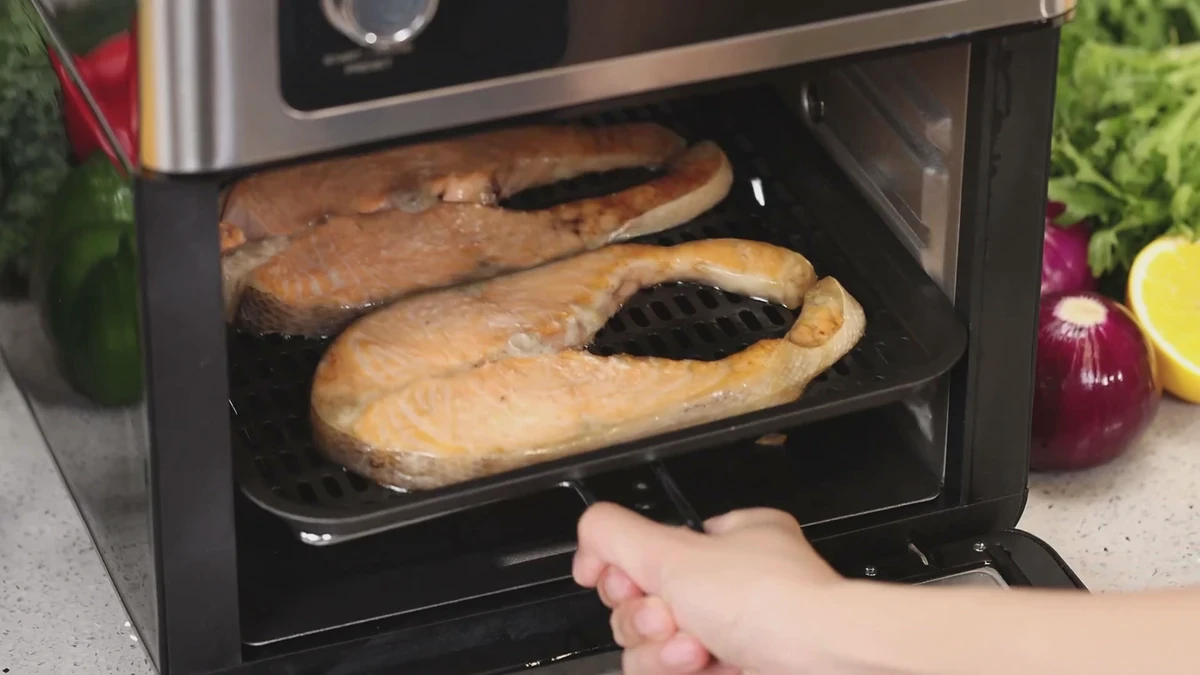
Reserve the first screen for “What is this, and why is it different?” An air fryer can use a clean front-view key visual together with the dual-basket structure or capacity relationship, allowing viewers to understand the category and emphasis without reading all the subtitles. The second section moves into hand operation: open, insert, switch, and remove, with the camera following real actions rather than piling up function icons like a manual. The third section gives close-ups of the finished food and ingredient details to answer “What will the result be?”
The storyboard rhythm should pair one selling point with one visible result rather than one voiceover paragraph with five specifications. Text that must appear on screen should first be marked with safe areas for landscape, vertical, and product-page crops. Then the 16:9 main video, 9:16 short cuts, and muted-browsing version will not crop out key buttons, food details, or brand information.
Turn Selling Points into Verifiable Evidence on Set
The greatest risk with kitchen appliances is that they “look premium, but nobody can tell how to use them.” Reserve continuous actions involving ingredients, hands, the inner basket, control interface, and finished food, while keeping the same cooking task consistent between shots. In the FO12B case, ingredients are arranged around the product, a person opens the appliance, the basket receives the ingredients, and the finished food returns to camera. This action line explains dual-basket cooking without a long explanation.
This also reduces effort across language versions. Function names can be replaced in subtitles, while genuine hand movements, spatial relationships, and food states require no translation. Record clean ambient sound and a replaceable voiceover rhythm at the same time, so the key visual and evidence shots remain valid when overseas marketing teams rewrite the hook for different markets.
Product Pages, Advertising, and Short-Form Video Need Different Shots
Amazon product videos can appear in the main image area of a product listing. Its official guidance recommends capturing attention in the opening seconds while maintaining stable imagery, clear lighting, and readable on-screen information. Keep the complete demonstration in the main film, then cut a shorter “open–insert–finished food” sequence from it to serve product-page and advertising tests separately. For specific upload and content considerations, see Amazon’s Official Product Video Guide.
Shopify product media supports uploading videos and reordering media on the product page; front-of-list placement directly affects what users see first. Therefore, prepare a self-contained functional demonstration without aggressive promotional language for the product page, while retaining a more forceful rhythm for the Campaign. Verify file formats, duration, and theme support against Shopify’s Official Product Media Documentation.
What Asset Matrix Should One Shoot Deliver?
A recommended delivery includes one 16:9 main film, three to five 6–15-second short cuts, several uncaptioned selling-point segments, loopable product-detail B-roll, and candidate cover frames. Label each asset with its selling point, aspect ratio, duration, subtitle version, and permitted placement, enabling operations to reuse it quickly across product launches, repeat-purchase reminders, and seasonal Campaigns. For TikTok Shop, authentic products, multi-angle demonstrations, clear imagery, and verifiable functional explanations are more effective than static collages. Teams can review scripts and assets against TikTok Shop’s Official Content Quality Requirements.
Do not leave the asset matrix until the end of editing. Agree before cameras roll on the first frame, subtitle language, CTA, and cover direction for every version. Have the brand confirm a group of key frames on the day; later editing will be easier and better preserve key-visual consistency.
Use One Pre-Publication Acceptance Table to Protect the Conversion Experience
Finally, check four things: first, can the operation and result be understood when muted; second, is the product clear on the first mobile screen; third, is every platform version free from exaggerated promises and cropped-out key information; and fourth, do the cover, detail page, and advertising landing page share one visual tone? To compare functional evidence, on-set execution, and multi-version delivery for product video, browse the FO12B Dual-Basket Air Fryer Case, or refer to ONCE VISUAL’s Product Video Media-Buying Review Method.
If your kitchen appliance is preparing to launch on Amazon or Shopify or enter the next Campaign, ONCE VISUAL can first help the team turn the “three things viewers must understand” into a shooting checklist, then decide which shots are worth filming.