This Shenzhen social media video shooting Brief checklist starts with a user action: first define the opening frame, product proof, and usage result, then place sample status, on-site collaboration in Shenzhen, studio conditions, subtitle safe areas, and landscape, vertical, and square versions into the shot list. This article focuses on the Brief needed for quotations and acceptance; the linked solution page covers ongoing short-form video and advertising asset production.
When reviewing a Brief, a creative director first asks “Why would the user stop at this second?” rather than whether a drone shot is needed.Meta’s Creative Strategy places high-quality visuals, format combinations, and creative diversity within the same advertising framework. For a brand, this means one shoot must leave a testable pool of assets rather than one finished video that cannot be divided.
Start with the User Action, Not the Product Name
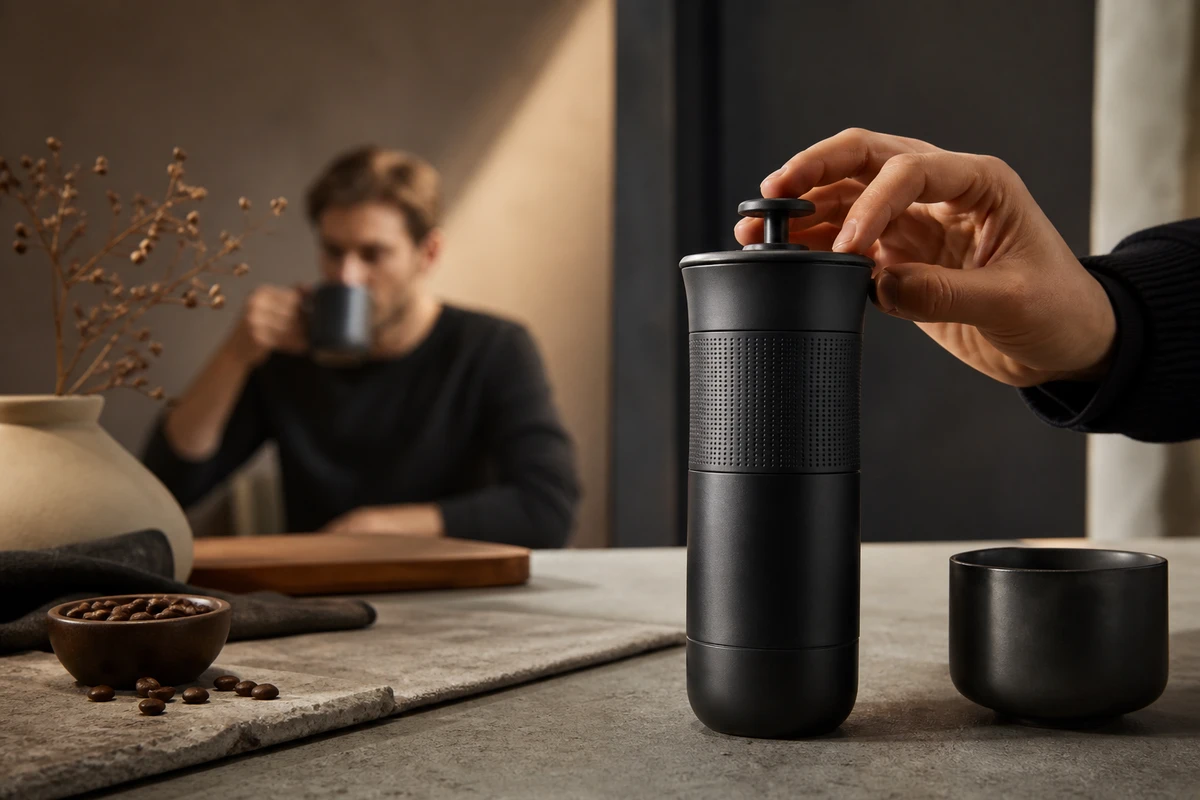
Rewrite the social media Brief into three sentences: what the user is doing, the moment when the product solves the problem, and where the viewer should go afterward. For a portable coffee maker, do not say “capture the product’s premium texture”; say “open it one-handed before leaving, pour in hot water, and finish one cup at the desk.” These three actions correspond to the opening-frame hook, functional proof, and call to action, keeping the storyboard from becoming attractive but useless empty shots.
Next, separate the audiences: first-time viewers see the result and context; people who have visited the product page see details and answers to concerns; existing customers need a new setting or use. Do not force three tasks into one 30-second video. Build one main line first, then divide it into 9:16 short cuts, product-page segments, and remarketing versions.
Lock the Shenzhen On-Site Conditions Before Filming
The most common cause of rework in a Shenzhen project is not the number of shots, but unclear sample and attendance conditions. At minimum, the procurement sheet should record whether the sample is an engineering or mass-production unit and whether a backup exists; which day the brand, product manager, and model will attend the studio; whether the set needs a white background, lifestyle setting, or controllable backdrop; whether the team provides lighting, camera positions, and props; and which subtitle languages and platform aspect ratios one shoot must cover.
If only one sample is available on set, first capture reusable hand operations, port details, and usage results, then film stylized shots. My judgment is simple: a set is not about filling the shot list; it is about capturing the actions clients are most likely to question in a reviewable form. Only then does post-production have room for subtitles, voiceover, covers, and different pacing versions.
Run Small Experiments Separately on the Opening Frame, Proof, and Subtitles
Test only the opening frame in the first round: choose among a hand action, product result, or human reaction. Test only the proof shot in the second: opening and closing, comparison, before and after, or a detail close-up. Adjust subtitles, music, and CTA only in the third round. Keep the same landing page and media objective in each round to avoid changing audience, platform, and creative variables at once.
TikTok for Business Bidding Best Practices place ad fatigue within a combined assessment of frequency, reach, and creative refresh. Therefore, Shenzhen social media video delivery should include not only MP4 files but also opening-frame versions, subtitle files, 9:16 crops, and asset IDs.Google Ads’ Asset Guidance also reminds teams that images, headlines, videos, and descriptions are combined, so each asset must still make sense outside the combination.
Write Platform Conditions into Shots and Acceptance Sheets
Official Reels Recommendations focus on 9:16, audio, and key creative within safe areas. During actual acceptance, brands can check item by item: is the action understood in the first second; do subtitles avoid interface areas; is the subject clear in a mobile preview; does the ending CTA match the product page; and can landscape, vertical, and 1:1 versions each stand alone?
Cross-border ecommerce should also place product-page video, social advertising, and remarketing short cuts in the same version table.Amazon Ads and its retail-media context remind procurement teams that product proof and advertising creative are not two unrelated sets of assets. The same Shenzhen studio shoot should preserve product details, usage results, and licensable audio assets in advance.
Ask Vendors to Answer in Outcomes, Not Days
When comparing Shenzhen teams, do not ask only “How many days will filming take?” Send the user action, sample status, platform ratios, subtitle languages, delivery naming, and acceptance previews together, then see whether the vendor can translate them into a script, shot tasks, and version schedule. To divide the work further into content batches, see the Shenzhen Social Media Short-Form Video and Advertising Asset Solution.