VFX asset reuse often stalls at two points. Teams can locate files but cannot identify the correct version, or they open files only to find missing paths, materials, and proxy dependencies. OpenAssetIO solves communication between tools and asset management systems. It defines interaction boundaries for asset reference resolution, file and non-file asset publishing, and related entity discovery and registration, enabling different hosts and management systems to share a common interface.
It does not provide a database, storage, or a complete asset management product. Teams must still define versioning rules, permissions, directory structures, thumbnails, and approval workflows. Understanding this allows you to position the standard correctly and address the most common reuse issues first.
Standardize Asset Data Before Integration
Small teams do not need to overhaul all tools immediately; start by defining a minimum field list for each asset type.
- Entity ID and Version Number
- Source and Licensing Notes
- Color Space and Delivery Formats
- High-Poly, Low-Poly, Proxy, and LOD Relationships
- Current Release Status and Approvers
- References for Master Files, Textures, Caches, and Previews
These fields must remain consistent across modeling, texturing, lighting, and compositing. Validate them using a spreadsheet or simple publish script before integrating a standard API. Without unified field definitions, adding interfaces only propagates inconsistencies across more software.
Treat Standards as Integration Boundaries
An OpenAssetIO host can be a DCC application, script, or any tool that produces or consumes assets. The asset management system maintains entity states and version data, while hosts interact via the standard to request resolution, publishing, or discovery. Underlying file storage, thumbnail generation, and permission approvals remain project-specific design decisions.
Implementation can proceed in three phases. First, enable hosts to read unified entities and versions; next, test whether reference resolution correctly retrieves file or non-file data; finally, verify that publish actions properly record state and history. After each phase, validate using one or two real assets rather than empty directories.
Evaluate Reusability Across Four Scenarios
- Cross-DCC Compatibility: Verify that models, textures, caches, and proxies are located as expected.
- Missing dependency prompt. Intentionally remove a file to confirm the team can locate the issue.
- Version rollback. Switch the current version to the previous one to confirm old shots still open.
- Release history tracking. View who released which version and which shots reference it.
The archived SAUCE project discussed smart assets, reuse, and creative environments together. Today, it is more practical to translate these concepts into interface checks and asset fields rather than copying the project's promotional language. Teams can start with a common product, a character, or a scene set to validate the full workflow of finding, opening, modifying, publishing, and rolling back.
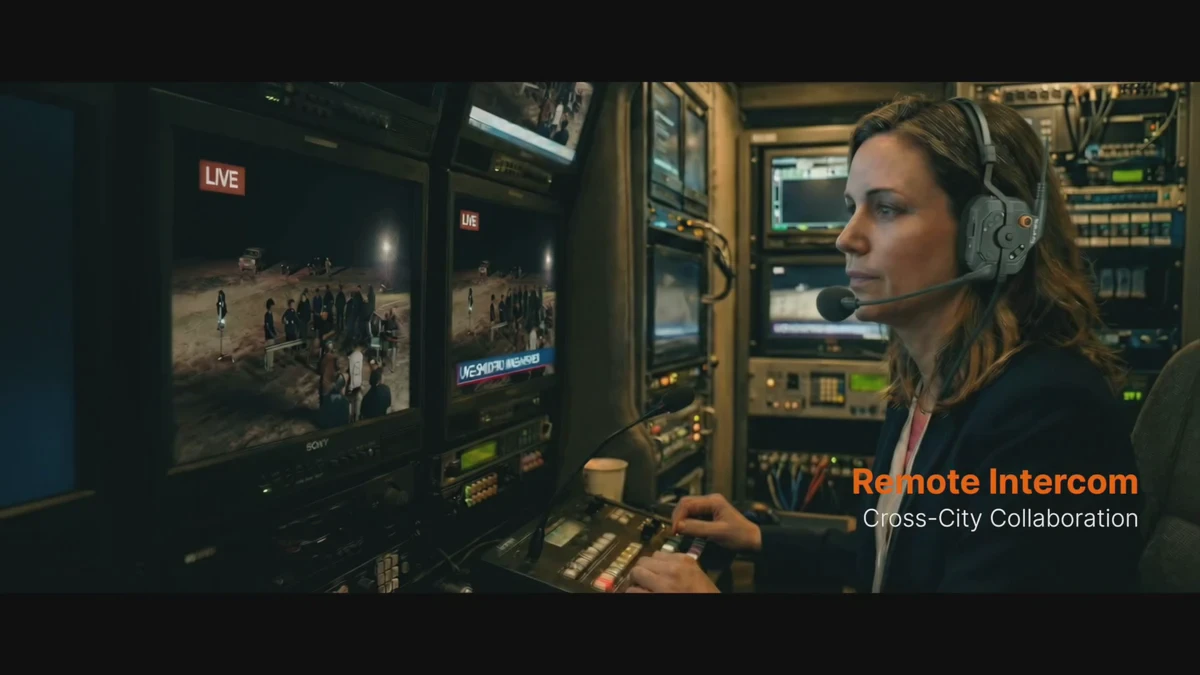
ONCE proprietary on-set communication screenshots are included here solely to illustrate collaboration and asset handoff contexts, not to represent an asset management system interface.
When Is It Worth Integrating a Standard API?
OpenAssetIO offers clear ROI only when a team can already reliably maintain entity IDs, versions, sources, and release statuses, and frequently encounters redundant integrations across multiple DCCs. After integration, projects must still retain their own permissions, storage, and approval rules. Piloting with real assets on a minimal scale, then adding fields and tests based on failure cases, is easier to maintain than building a massive system upfront.
Reference Verification
- OpenAssetIO An Introduction
- OpenAssetIO Examples
- Foundry Nuke 17 release notes
- Research Seed 0055 Finding the secret SAUCE for asset re-use