Commercial post-production often involves short cycles, multiple versions, and fixed launch dates. Mapping all shots onto a lengthy Gantt chart may look organized but makes it hard to spot dependencies and blockers. Scrum offers a shorter feedback cycle but must be adapted to actual VFX workflows.
Examining Core Issues in the Research Seed
Research Seed 0499 documents Cinnamon VFX's exploration of Agile and Scrum. The team aimed to involve members in planning, reduce waste and overtime, improve estimation accuracy, and apply the method to both short and long projects. The article notes that progress on large tasks is hard to estimate and suggests breaking them into smaller work units.
These insights are historical records specific to one company. When adopting Scrum today, teams should base their approach on the roles, events, and commitments in the current Scrum Guide before deciding which practices suit them.
Breaking a Shot into Tasks Acceptable Within a Short Cycle
A shot can be broken down into tracking, geometry, animation, texturing, lighting, compositing, and version output. Each task requires an owner, inputs, outputs, and a Definition of Done. The Definition of Done must be verifiable, such as confirming playback at specified resolution, ensuring layered files are reconstructible, or verifying brand logo placement.
The Daily Scrum is strictly for syncing progress and blockers, not for lengthy reports. The Sprint Review showcases acceptable deliverables, while the Retrospective addresses process issues. Feedback from brands or agencies should enter the backlog at review milestones to prevent scattered edits across different versions.
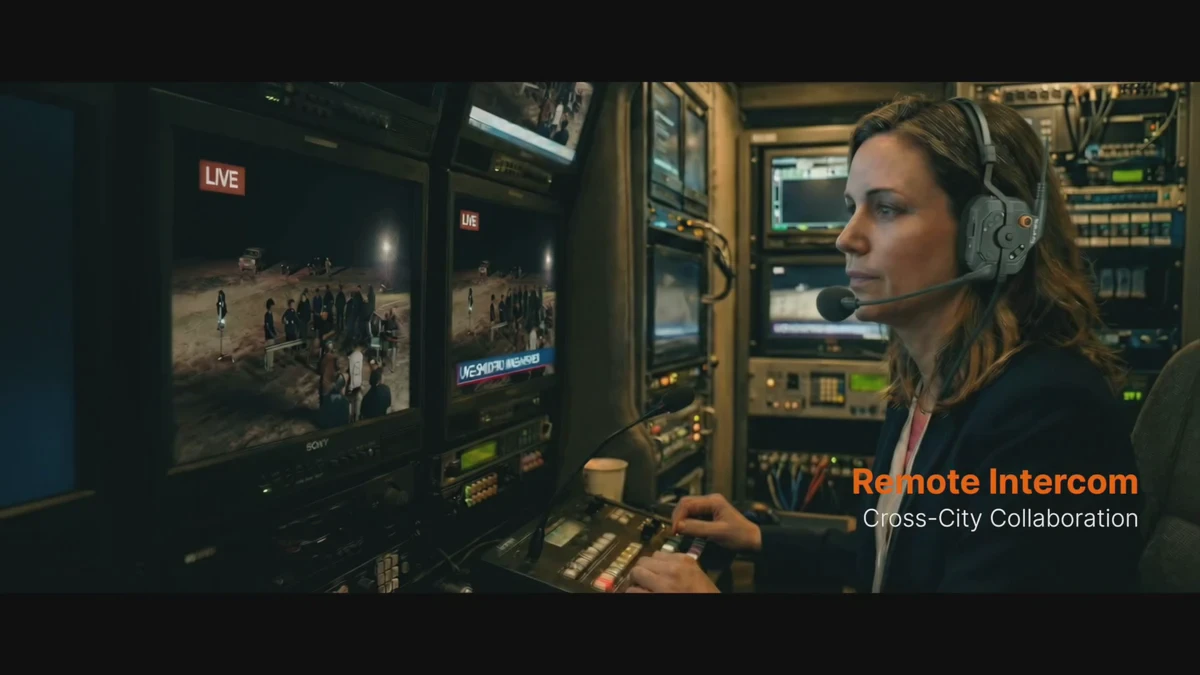
The image below is from an ONCE in-house set collaboration video, used to observe small-team communication and task handoffs. It does not represent the Cinnamon VFX team in the research seed, nor is it an original photo of a specific Scrum board.
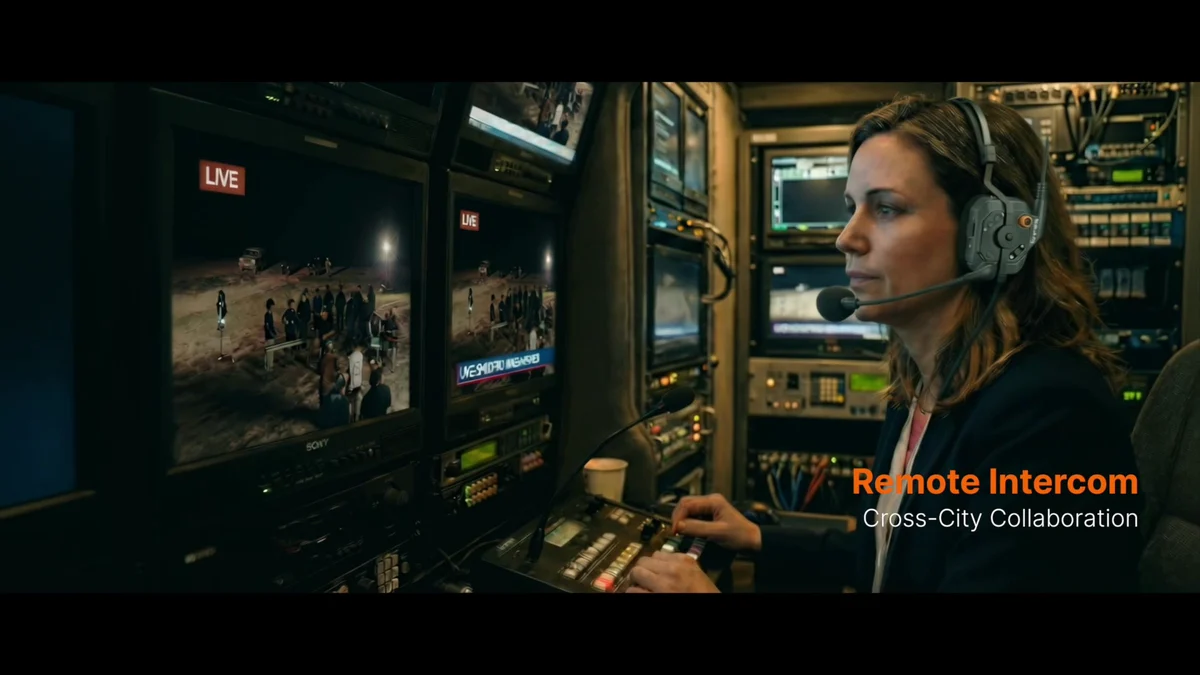
Kanban boards should reveal blockers, not create pressure.
Kanban columns can be set as To Do, In Progress, Pending Review, Revision Needed, and Done. WIP tasks should not grow indefinitely; when blocked, document the cause and ask for help. Whenever the production lead reprioritizes, they must specify which shot and delivery milestone are affected.
Scrum is not magic that guarantees on-time delivery. It only surfaces issues earlier, giving the team a chance to reprioritize and reallocate resources. To establish task breakdown and review cadences for commercial post-production, refer to ONCE Commercial Visual Solutions Specify the delivery date, shot count, and version scope.
Asset Verification
- Research Seed 0499 Scrum in VFX
- Scrum Guides The 2020 Scrum Guide
- Scrum.org Scrum Guide