Volumetric video suits brand content requiring dynamic viewpoints, immersive experiences, or digital human interaction. Its workflow differs from standard video, requiring teams to simultaneously manage performance, 3D geometry, materials, temporal consistency, and playback.
First, determine if the audience truly needs free-viewpoint capabilities.
If viewers will only watch a fixed edit on mobile, traditional live-action or CG may be more efficient. Volumetric video is better suited for exhibitions, headsets, interactive ads, digital performances, and scenarios requiring multi-angle character observation. During project initiation, clearly define user devices, viewing distances, field-of-view ranges, and interactions.
Research Seed 0845 covered Arcturus' HoloEdit and HoloSuite, discussing topology stability, material segmentation, relighting, and skeleton export. Tools and versions evolve; this article uses that evaluation framework and does not treat legacy features as current product commitments.
Prototypes must address four risk categories.
Capture prototypes should include walking, turning, hand gestures, and cloth simulation. Editing prototypes must verify cross-clip topology continuity and whether logo or costume modifications persist over time. Lighting prototypes should confirm natural highlights and shadows after relighting. Delivery prototypes must test compression, loading, and viewpoint switching on target devices.
Some volumetric data generates new meshes every frame, making continuous edits difficult. When dealing with hair, fingers, transparent materials, or fast motion, budget for manual cleanup upfront rather than discovering unfixable issues during final testing.
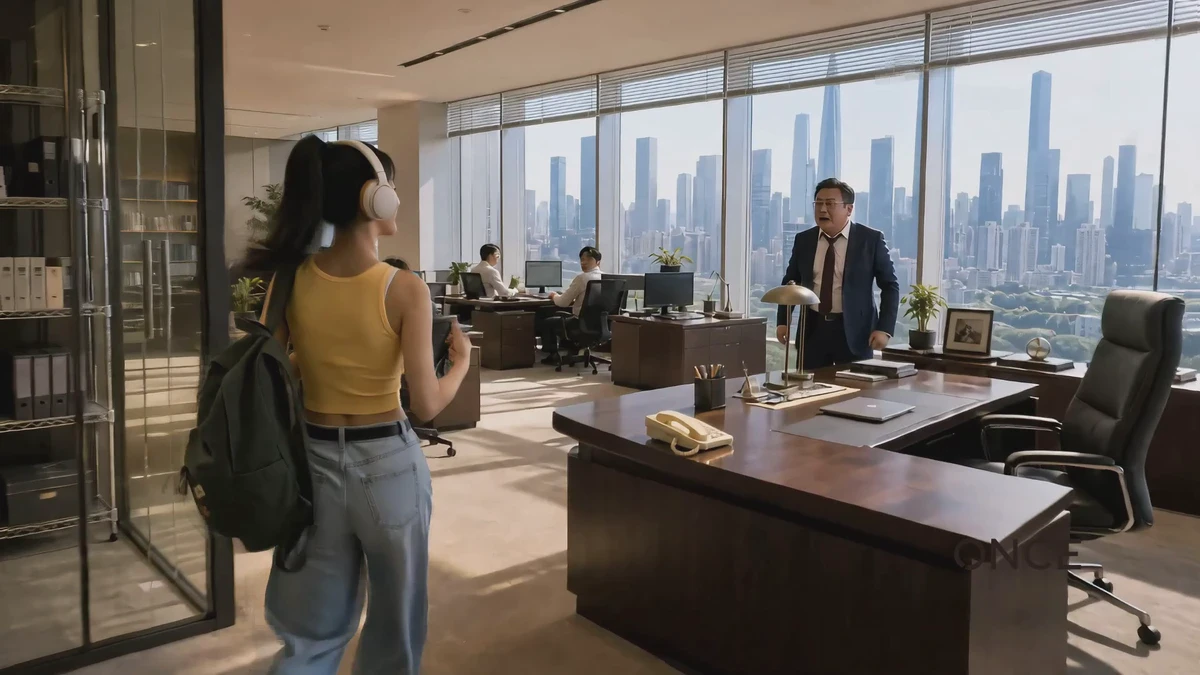
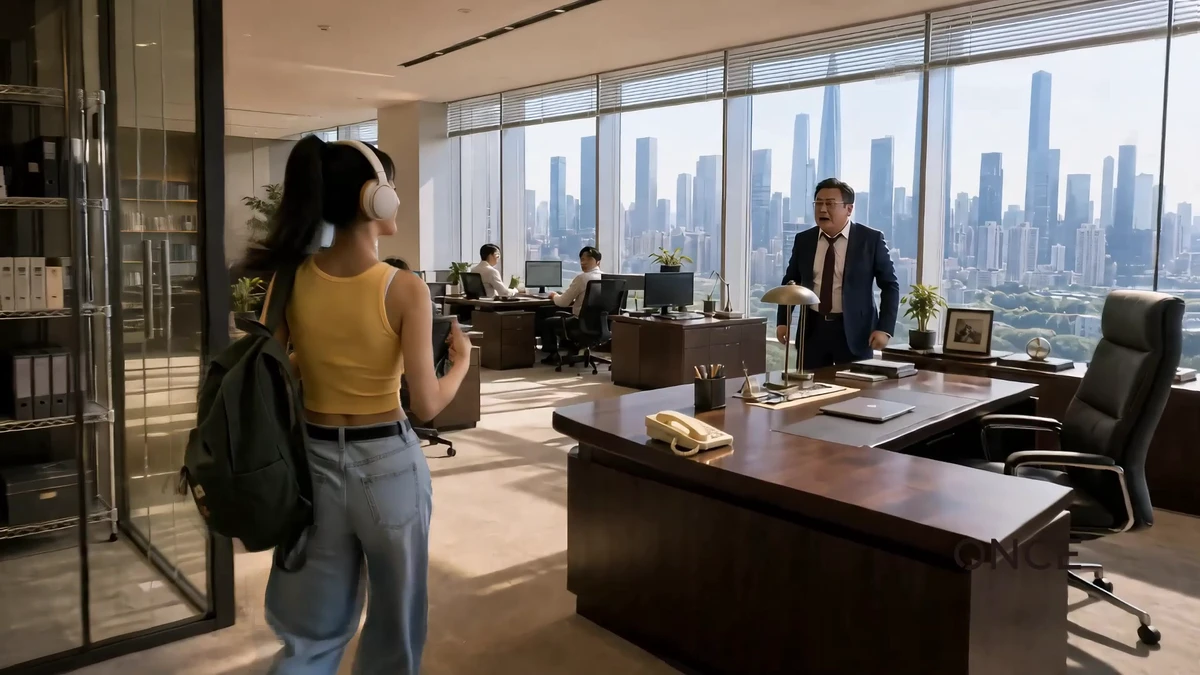
The image below is from ONCE's proprietary character and environment content, used to discuss subject action and spatial relationships. It is not volumetric video, nor does it imply the use of Arcturus assets in this article.
Deliverables must address both content and technical requirements.
Recommended deliverables include masters, compressed versions, device specifications, field-of-view details, loading strategies, subtitles, and audio versions. Immersive projects should also retain capture data, edit projects, topology refinement logs, and end-device test results. During brand acceptance, confirm experience goals first, then verify whether model details meet those objectives.
If you plan to produce interactive or immersive brand content, you can start with ONCE AIGC and AI Workflow Specify devices, viewing angles, and distribution contexts.
Asset Verification
- Research Seed 0845 Arcturus volumetric video editing
- Arcturus HoloSuite
- Microsoft Mixed Reality documentation