The most common pitfalls in remote video production usually stem not from a lack of editing skills. When asset naming, proxy files, color references, review notes, and final masters are scattered across locations and consolidated only before delivery, any version could be used by mistake.
Establish the shortest path for your project first
At the start of the project, define storage locations for raw footage, proxies, project files, references, and deliverables. Folder and file names must include project, date, shot, or version information; avoid using names like "Final" or "Final v2."
During reviews, consolidate timecodes, visual annotations, and revision ownership into a single feedback document. When clients identify visual issues, editors know exactly which frame to adjust, and producers know who approved it, preventing duplicate execution of the same note later.
Cloud workstations address access methods
Public virtual workstation resources discuss AWS, NVIDIA, and Teradici within remote graphics workflows. Current Amazon DCV documentation states it securely streams application displays from the cloud or data center to clients, enabling lighter endpoints to access graphics applications. This approach reduces local hardware disparities but does not eliminate network, permission, storage, or color management issues.
Brands need to know whether staff are editing locally, connecting to remote workstations, or solely reviewing content. Different stages have varying requirements for bandwidth, latency, caching, and file permissions. Forcing everyone into a single tool often increases communication overhead.
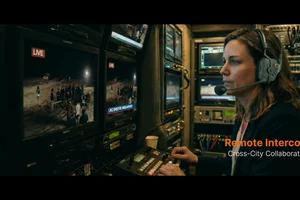
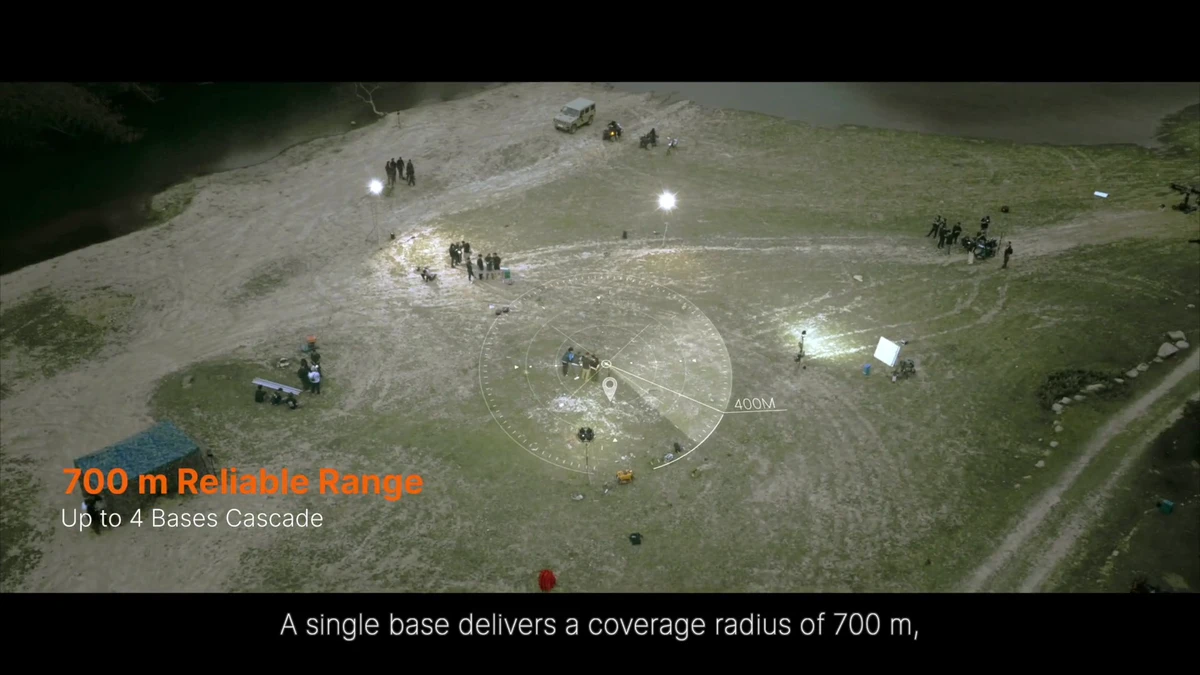
The image below is from an ONCE in-house set communication case study, illustrating role assignments and information flow on set. It does not represent remote workstation or cloud collaboration scenarios.
Establish five rules before starting remote projects
- Who maintains the original footage, proxies, project files, and deliverables
- Which timecode version and color reference to use for each review session
- Which files are downloadable and which are view-only online
- Who consolidates client feedback and who has authority to approve picture lock
- How the project continues during network outages or remote machine unavailability
Organizing files right before delivery is too late to fix permission and version chaos. Integrating footage, reviews, production, and multi-platform outputs into an actionable collaboration plan can start with ONCE Enterprise and Cross-Border Content Portal Start the conversation.
Material Review
- Research Seed 0945 Virtual workstations roundtable with AWS, NVIDIA, and Teradici
- Amazon Web Services What Is Amazon DCV
- AWS Virtual Workstations for Media and Entertainment