The value of UE5 pre-visualization isn't creating polished game-like visuals first. It should allow brands, directors, DPs, and producers to see how shots, space, lighting, and iterations interact before filming. The closer the previs matches the final shot, the easier it is to catch issues that would otherwise surface on set.
Previsualize Shots Before Determining Asset Fidelity
Previs files should first define shot order, focal length, camera height, actor blocking, and aspect ratio. Detail needed for wide shots, textures for close-ups, and whether the camera passes through doorframes or around vehicles determine the required level of modeling and texturing.
Public UE5 documentation covers Nanite, Lumen, and World Partition. Nanite handles high-density geometry, Lumen manages dynamic global illumination and reflections, and World Partition aids large-scale scene management. They enable larger, more complex previs, but projects must still test performance against actual hardware and deliverables.
Previs Must Address On-Set Questions
Directors need to verify if action works spatially; DPs need to evaluate focal lengths, parallax, and lighting; producers need to identify which physical sets are required; and brands need to see product scale and color in various contexts. If previs only illustrates concepts without addressing these decisions, it fails to reduce on-set rework.
Lighting previs also has limits. Reflections and shadows in digital scenes facilitate directional discussions, but real LEDs, fixtures, product materials, and cameras must still be validated during test days. Previs bridges communication gaps but cannot replace practical shooting tests.
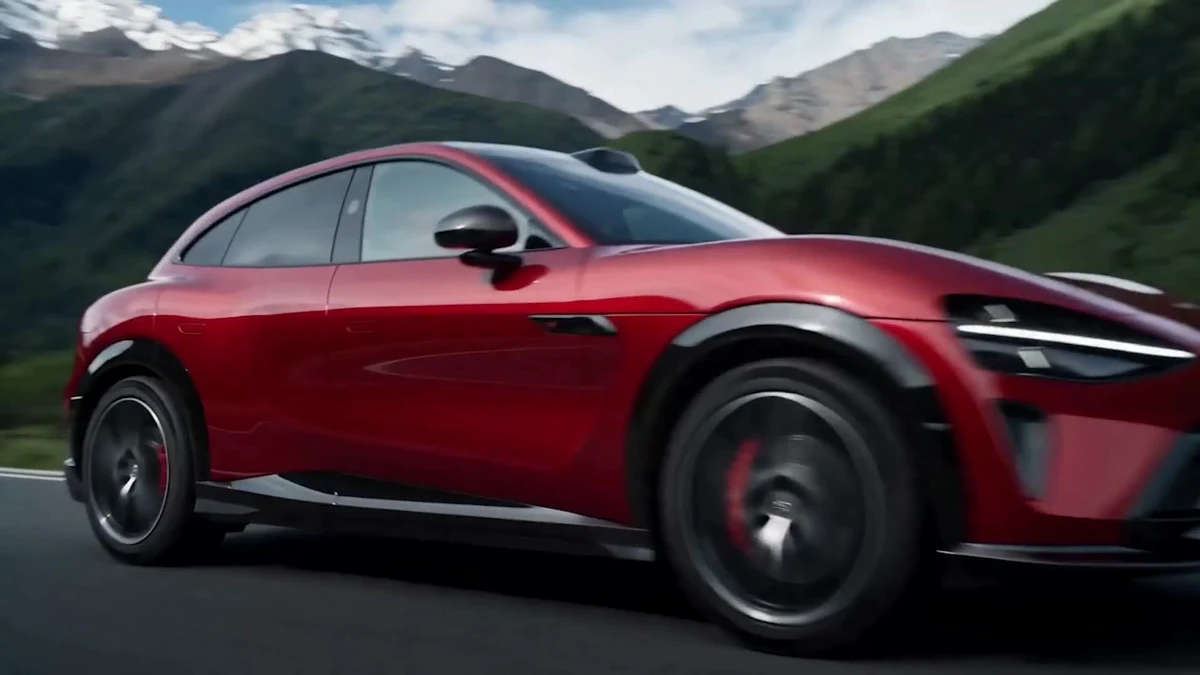
The image below is from an ONCE proprietary automotive AIGC ad, illustrating previsualization targets for vehicles, roads, distant environments, and camera movement. It does not indicate the use of UE5 or LED virtual production.
Five Pre-Delivery Checks for Previs Files
- Do the shot list, storyboards, and previs versions correspond one-to-one?
- Do the focal length, aspect ratio, and camera movement in the digital scene match real-world equipment?
- Have product colors, materials, and key reflections been verified against references?
- Are the real-time frame rate and load times on production hardware acceptable?
- If shots change on set, who manages versioning and logs modifications?
The more detailed the previs, the sooner the brand understands which assets and on-set conditions require their time. Creative concepts, shot lists, and production schedules should be consolidated into a single document, starting with ONCE Creative and Pre-visualization Portal Start the conversation.
Material Review
- Research Seed 0942 UE5 Early Release
- Epic Games Lumen Global Illumination and Reflections
- Epic Games World Partition
- Epic Games Unreal Engine 5.8 Release Notes