The challenge of HDR commercials lies not in making images brighter, but in maintaining a consistent color language across shooting, monitoring, grading, mastering, SDR versions, and platform compression. If brands only review a final export on the last day, it becomes difficult to determine whether issues stem from source footage, color grading, or playback.
Capture sufficient metadata during production for post-production
Highlights, shadows, and skin tones all require adequate recording latitude. When product surfaces produce strong reflections, lighting positions and exposure changes must be documented in on-set logs. Camera angles, lenses, and ND filter usage should also be recorded so post teams can accurately interpret each shot.
Apple’s published Mac Pro production guidelines discuss HDR alongside editing, displays, and color spaces. While hardware models evolve, these workflows remain valid. Image settings, project configurations, and monitoring equipment must be validated together—not judged by screen size alone.
Monitoring must align with delivery targets
Brands must first decide whether to deliver in Rec.2100 PQ, Rec.2100 HLG, or maintain Rec.709 for SDR platforms. YouTube’s official HDR specifications require Rec.2020 color primaries with either PQ or HLG, while Apple’s Final Cut Pro documentation also provides SDR-to-HDR PQ conversion options.
Different targets affect white levels, brightness, and compression methods. A single grade cannot replace separate approvals for both versions. The HDR master must be reviewed on HDR-capable monitors, while the SDR version should be checked on standard displays and mobile devices.
Document evidence for color grading and QC.
Retain project versions, color tags, encoding settings, and representative screenshots with every export. Review the full footage during QC to check for sudden highlight shifts, shadow noise, brand color consistency across devices, and whether subtitles and graphics remain within safe areas.
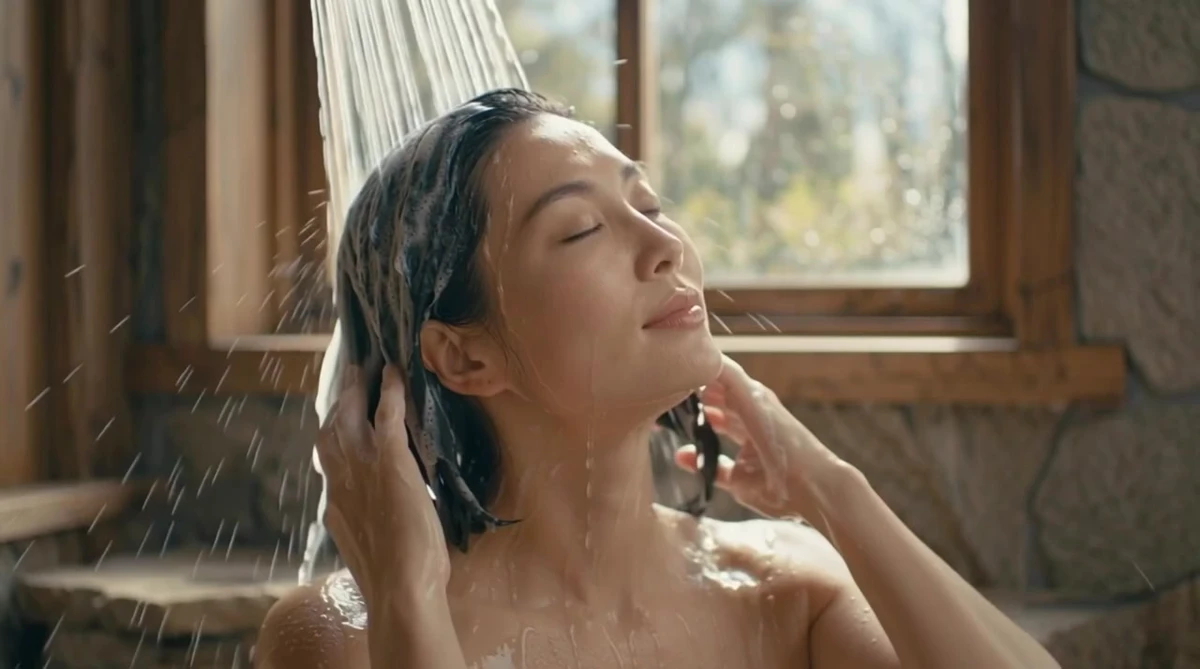
The image below is from an ONCE proprietary hair care ad, illustrating observation points for highlights, hair strands, and skin tones. It is not an HDR master or a color grading example.
Clients may follow this acceptance workflow.
- First, verify camera footage, color tags, and exposure logs.
- Next, confirm the HDR project working color space and monitoring equipment.
- Create PQ or HLG masters alongside SDR versions simultaneously.
- Review on large screens, standard monitors, and mobile devices.
- Document highlights, shadows, brand colors, subtitles, and compression issues.
HDR provides greater control over highlights, shadows, and color; delivery consistency depends on clear documentation at every step. When scheduling commercial color grading and multi-platform versions, start by contacting us via the ONCE Post-Production Portal to begin the discussion.
Asset Verification
- Review Seed 0662: Behind Apple's Mac Pro Editing, Grading, and HDR
- Apple Working with Wide Color Gamut and High Dynamic Range
- Apple Final Cut Pro Color Management and Color Conform
- YouTube Upload High Dynamic Range (HDR) Video