For Shenzhen advertising-video version delivery, do not wait until the finished film is exported to ask, “How many more short cuts do we need?” What must be accepted is whether the same group of shots can separately serve master-film narrative, product proof and the opening-frame task of overseas media buying. Using key frames from two real cases, Airis LUX and the Golden Buckle smart wristband, this provides procurement, brand operations and media-buying leads with a check method usable from shooting through handover.
Break “versions” into different shot tasks first
The master establishes the full context for why a product deserves attention; a short cut must retain a verifiable action, material or usage result in less time. An acceptance sheet should not only list landscape, vertical and duration. It should state each version’s opening frame, core selling point, text safe area, caption language and landing-page destination. Amazon OLV specifications cover both 16:9 and 9:16 and list duration, frame rate and bitrate; these are technical items to check separately before export, not excuses to change format at the last minute.
Case 1: the master must retain reusable lifestyle context
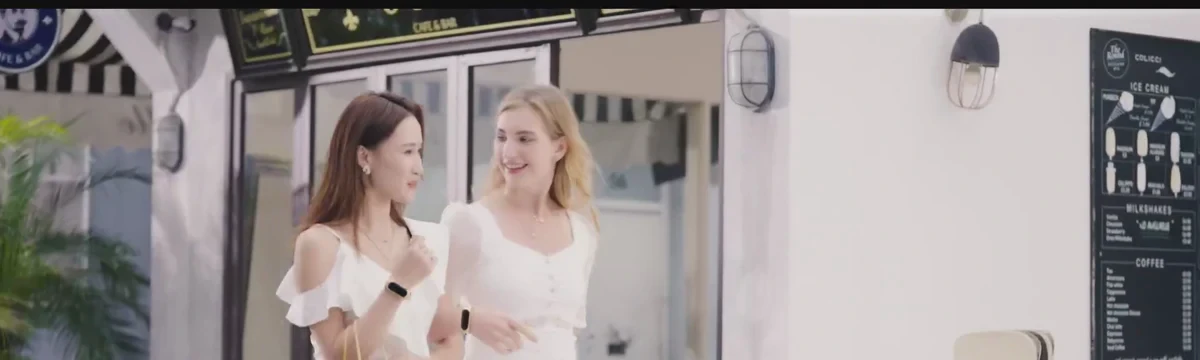
The two characters, spatial movement and wristband reveal in the Golden Buckle case are not simply “pretty shots.” For delivery, they ask the brand to decide which version retains character relationships and which keeps only wristband close-ups; for the editor, this directly affects shot selection, caption placement and musical rhythm. If all information is compressed into a 15-second film, both master and short cut often lose focus. Number “lifestyle-context shots,” “wrist product shots” and “crop-safe empty space” separately in the shooting brief, and check them one by one at handover.
Case 2: product-proof shots must stand on their own
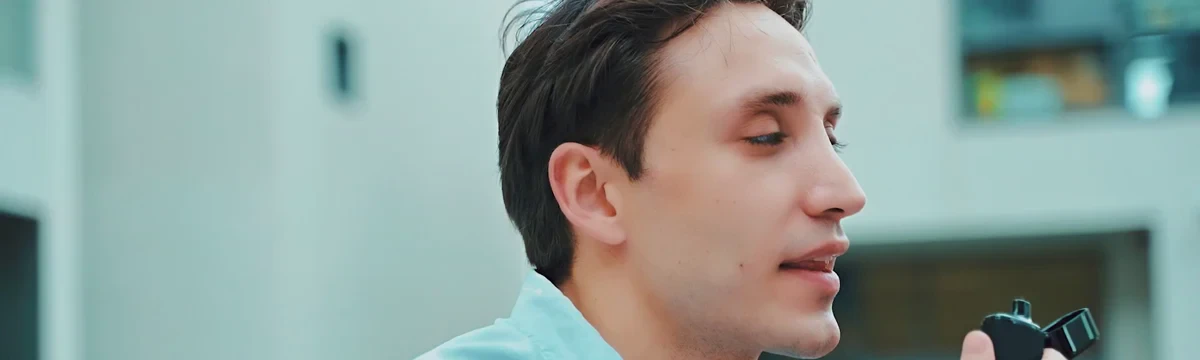
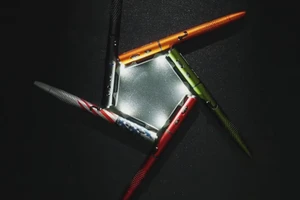
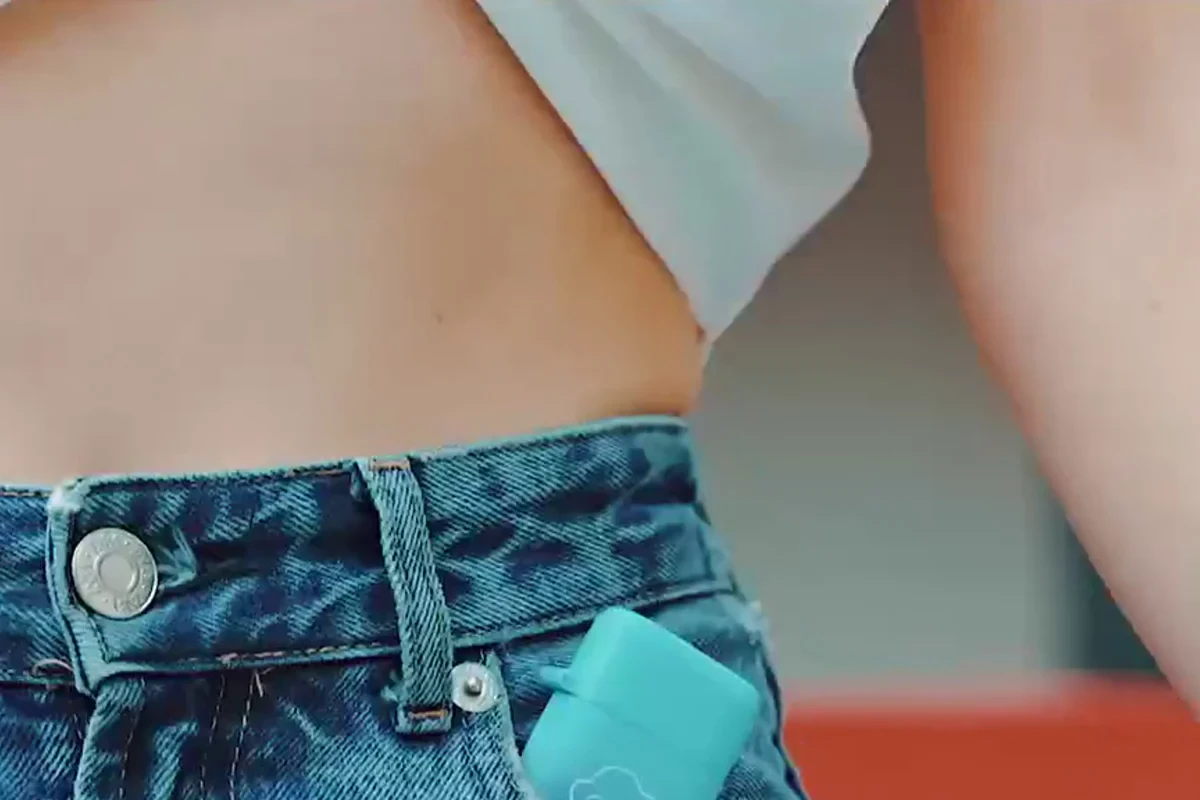
The Airis LUX use shot places the model cue, hand action and product itself in one unit of judgment. Acceptance should not merely confirm “there is a product close-up”; it should confirm that the shot leaves caption room, can stand alone at six or 15 seconds, and can switch language without changing facts. Meta’s video-ad guide specifies recommendations including file format, fixed frame rate and resolution. Production should therefore issue a platform list before picture lock instead of letting media buyers repeatedly compress the master afterward.
Color, captions and sound need one delivery baseline
The most frequent rework for overseas assets is not a missing export format but inconsistent color, captions and audio baselines between versions. ACES puts digital-image interchange, color workflow and delivery masters into a standardized framework. Even where a project does not use a complete ACES workflow, the acceptance sheet should define master color space, caption-file version, audio sample rate, font rights and naming conventions. Landscape, vertical, textless and multilingual versions then have one traceable origin.
Make the asset matrix a handover sheet that can be signed for
Split delivery into four columns: first, shot evidence such as product entering a pocket, wrist wearing and character use; second, version use such as website master, LinkedIn follow-up and ad short cut; third, technical parameters such as ratio, duration, frame rate, captions and audio; fourth, accepter and revision boundaries. Rather than asking a supplier to promise “usable on every platform,” check target-platform rules before shooting and sample the opening frame, text safe area and linked landing page before picture lock. Refer to Amazon Ads online-video specifications, Meta video-ad publishing guidance and ACES color-workflow guidance, then apply relevant items to this project’s shot and version list.
When can delivery be signed off?
Final sign-off is appropriate only when the master, two kinds of short cuts, captioned and textless versions all return to the same shot numbers, and every version has a clear purpose, parameters and owner. If the current brief does not yet map product demonstrations, character settings and media-buying versions, complete the shot tasks before shooting; that is usually less costly than pickups in post-production.
To see two real approaches first, browse the Golden Buckle smart-wristband TVC case and the Airis LUX product-commercial case, or return to ONCE video-production services to organize project conditions.