A cross-border ecommerce product video production contract should not merely say “produce one video.”What it truly needs to lock down is which selling points become shots, where the finished video may be used, who owns the source assets needed for revisions, and who performs pre-launch acceptance. Clarifying these four matters prevents Shopify, Amazon, and ad delivery from blocking one another in the final week.
First, Turn “What Needs to Be Solved” into Shot Tasks
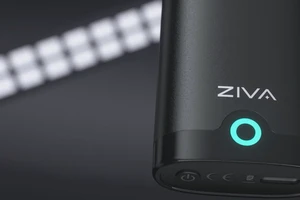
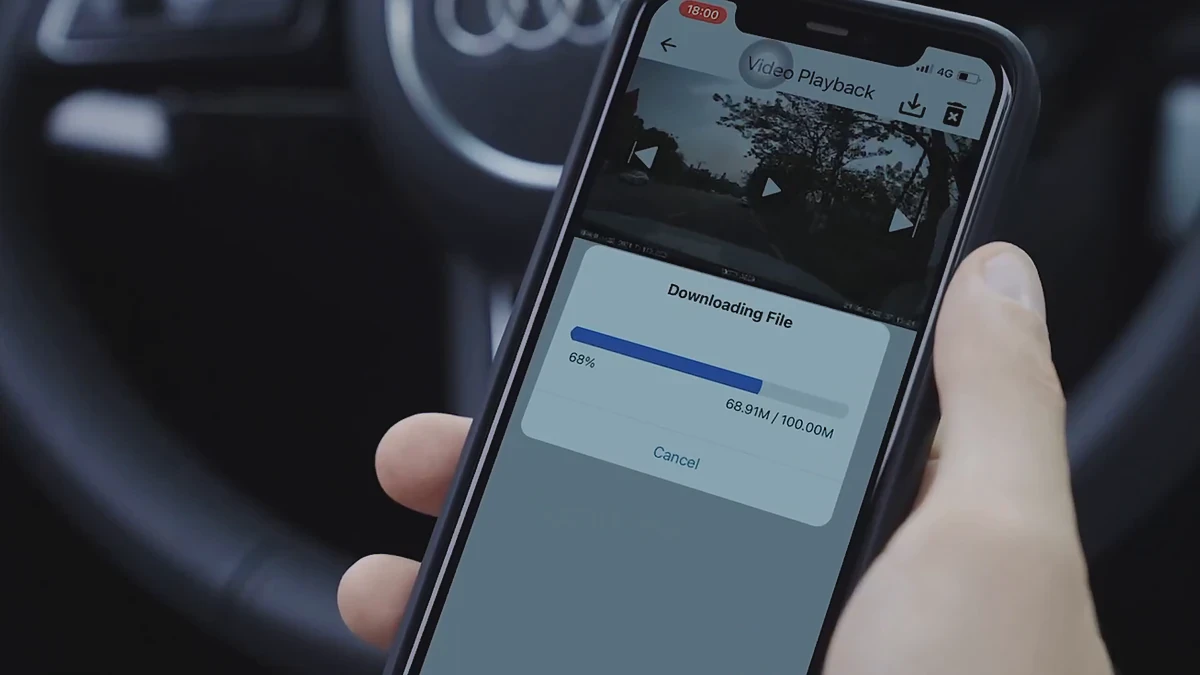
The rework ONCE VISUAL most often encounters on set is not insufficient lighting, but a Brief containing only adjectives such as “premium” and “conversion-focused.” The contract appendix should turn each core selling point into a filmable task: what must viewers understand in the first three seconds; which operational action proves a function; which part of the setting builds the intended user perception; and which line of on-screen copy serves the CTA. In the VIOFO A229 Duo dual-channel dashcam case, the product itself, installation relationship, road view, and mobile playback were not assembled casually. They separately answer “What is it?”, “How is it used?”, “Why is it credible?”, and “How do I continue?”
List the Main Film, Short Cuts, and Product-Page Versions Separately
“Deliver one landscape video” is a formulation that leaves the most gaps. The contract should separately list the main film duration, 16:9 product-page version, 1:1 or 9:16 advertising cuts, a captioned version understandable when muted, cover frames, and a clean version without text, while identifying the channel for each. Shopify’s official theme documentation supports displaying video as product media, meaning a product page needs imagery that explains the product independently rather than simply reusing an advertising end card. Amazon Ads video specifications recommend communicating the core message within the first 5 seconds and recommend 1920×1080 16:9 assets. These platform constraints should enter the storyboard and delivery table in advance, not become fixes after editing.
Do Not Define Asset Rights Merely as “Commercial Use Permitted”
“Commercial use permitted” is too broad and too easily misunderstood. A more executable formulation specifies the countries or regions where the finished video may be used; whether it may run on the official website, Shopify, Amazon, and social advertising; the term of use; whether paid media is included; whether talent and music rights cover edited short cuts; and whether the brand may pass the assets to overseas agencies for continued use. If creator or third-party assets are involved, clarify the chain of rights for likenesses, music, fonts, and templates as well. This does not add unnecessary clauses; it gives the Campaign room for reuse.
Set Boundaries for Source Files and Revision Mechanisms
Brands often say “we will revise it later,” while the production team does not know whether that means replacing a price, recutting 15 seconds, or restructuring the entire narrative. The contract can divide revisions into three levels: subtitle, end-card, and aspect-ratio adaptations are minor revisions; shot restructuring and new voiceover are medium revisions; new selling points, additional filming, or a rewritten storyboard are new requirements. It should also specify whether delivery includes only finished videos, project files, or an organized editable asset package, along with response times, revision rounds, and approvers for each level. Confirm sample status, demonstrable functions, and prohibited content before the shoot. Every avoided guess prevents an unproductive recut.
Accept Against “Ready to Launch on the Channel,” Not “Feels Good”
The acceptance table should return to real use: can the first screen be understood without sound; are product captions clear of platform safe areas; do landscape and vertical versions preserve key operations; have black bars, white bars, or blurred transitions entered the export; and do links on the product page, ad backend, and overseas landing page connect smoothly? Amazon Ads also explicitly requires that videos have no black bars on any side and warns against burning button-shaped CTAs such as “Click to learn more” into the image. Such checks protect the launch date more effectively than asking whether the video “feels grand.”
Turn One Shoot into a Content Asset That Can Be Used Continuously
Reliable production service should not end on delivery day. Starting from the selling-point breakdown, we arrange the key visual, product close-ups, operational proof, human reactions, and closing CTA in one storyboard rhythm. During filming, we preserve composition for landscape and vertical versions, leave frames before and after actions for later short cuts, and prepare interfaces for localized subtitles and market-specific selling-point tests. Then, when the new-product season calls for email, remarketing, or overseas distributor demonstrations, the team does not need to return to the set from scratch. To see how a real product video organizes functional shots into multi-version assets, browse the VIOFO A229 Duo Case, or view ONCE VISUAL Commercial Imaging Solutions. If you are comparing production teams, bring your current quotation to a conversation: together, we can turn “what will be delivered, how it will be used, and how it can be revised later” into an executable shooting checklist.
References:Shopify Product Media Documentation;Amazon Ads Video Advertising Specifications.