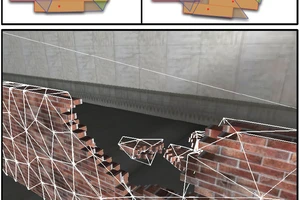
The key to compositing space is making it a script constraint during project initiation.
The compositing space of a TVC commercial refers to the physical and data leeway reserved for the final image fusion among live-action footage, 3D rendering, AIGC-generated content, and post-production effects. Many projects only describe creative visuals at the script stage without defining which elements require post-production compositing, causing the shoot to lack matching reference points, lighting directions, and motion paths, leaving post-production to patch toward the original intent and creating a clear gap between final quality and script expectations. When initiating a project, the brand should require the production team to clearly mark a compositing element list in the script, including live-action, CG, AIGC components, and their interactions. The criterion is that every shot involving compositing in the script can answer three questions: the position and size of compositing elements in the frame, which blank areas or occlusions the live-action footage needs to provide, and whether lighting direction and camera movement are consistent with the compositing elements. If the script cannot answer these questions, it means insufficient compositing space has been reserved and the creative concept needs to be re-broken down.
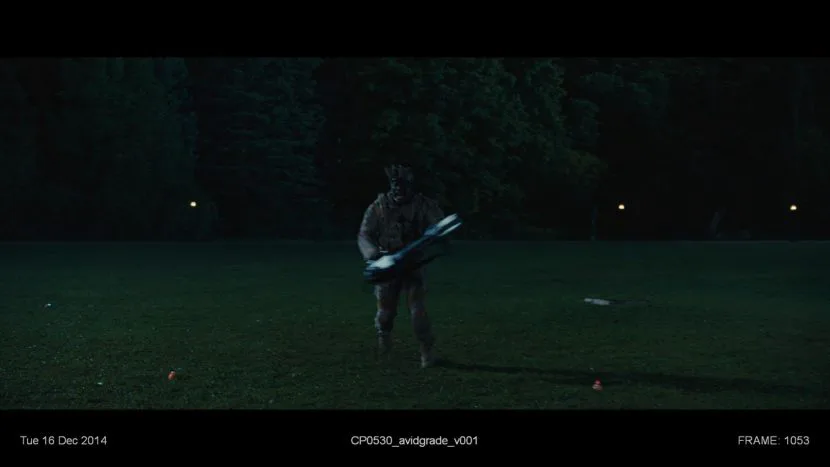
The materials the brand needs to prepare determine whether the compositing space can be accurately assessed.
Before the project kicks off, the brand side needs to organize its communication goals, audience profile, core selling points, reference images, shooting conditions, delivery platforms, and copyright scope. These materials serve as the input conditions for compositing space assessment. For example, communication goals determine the stylistic density of the composited visuals: a TVC aimed at the general public may need simpler compositing layers, while a professional audience can accept more complex visual elements. Reference images should be specific to the shot level, including composition, color, lighting, and motion style, rather than just a vague mood board. Shooting conditions should list location constraints, available lighting equipment, number of actors, weather window, and budget cap, as these directly determine whether compositing space is ample or tight. The copyright scope should clarify the sources of compositing assets, including usage rights for music, fonts, 3D models, and AIGC-generated content, to avoid rework due to copyright issues later. The brand side should also provide high-resolution product photos, 3D models, or technical drawings; if the product is the core selling point, these materials are the foundation for matching compositing space. When preparation is insufficient, the production team can only guess when reserving compositing space, significantly increasing the risk of post-production revisions.
During script breakdown, use storyboards and previs to turn compositing space into executable instructions
The key to script breakdown is converting the compositing elements, live-action elements, and interaction methods in each shot into instructions that post-production can execute. The production team should create an independent compositing layer description for each shot containing compositing during the storyboard stage, including how the foreground, midground, and background are separated and the occlusion relationships between layers. For example, for a shot in which a product floats in a live-action scene, the storyboard must indicate the product's pixel position, size ratio, shadow direction, reflection intensity, and ambient light color in the frame. These parameters must be set before shooting, not adjusted later. In the previs stage, simple 3D previews or animatics can be used to simulate the compositing result, letting the brand side see the approximate look before filming. Previs does not need refined rendering, but it must verify whether motion paths, perspective relationships, and lighting direction match. If the perspective between compositing elements and the live-action background is inconsistent in previs, the camera position or lens focal length must be adjusted during shooting. The standard for judging whether a storyboard is qualified is that every compositing shot can be completed independently by post-production staff without the original creative team present. If the storyboard only describes the image content and does not provide technical parameters, post-production will have to keep guessing, and the compositing space will become distorted.
During production execution, reserve physical and data conditions for compositing
Production execution is the critical stage for realizing compositing space; on-set decisions directly affect the difficulty of post-production compositing. The camera team must record camera model, lens focal length, aperture, shutter, ISO, white balance, and motion path data for every shot containing compositing; this data is the basis for matching CG or AIGC elements in post. If a motion-control camera is used, the full motion curve must be recorded so that post-production compositing can be precisely unified and judged. The lighting team should reserve independent lighting layers for compositing elements, such as adding a lighting marker in the live-action scene that corresponds to the later product position, ensuring that live-action shadows match the direction of post-production shadows. Tracking points or reference markers need to be placed in the scene for later camera motion and scene perspective tracking. If compositing elements need to occlude live-action objects, the occluding objects must have enough texture and contrast during shooting to facilitate later keying or removal. The movement speed of actors and products must match the movement speed of later elements, otherwise the final composite will feel floaty. An HDR environment light sphere should also be shot on set to illuminate CG elements in post so they match the live-action ambient light. If this data cannot be captured on set, post-production compositing will have to rely on experience and guesswork, making compositing space uncontrollable.
During post-production, the compositing space is converted into deliverable visual results.
Post-production begins with footage inspection. The production team should first check the metadata of the captured footage, confirming that camera data, lighting records, and tracking points are complete before entering the compositing workflow. During compositing, the scene's perspective and lighting must be matched before elements are layered in. For CG elements, use the environment light probes and lighting data recorded during the shoot for rendering, ensuring that light and shadow direction match the live-action footage. For AIGC-generated content, check whether the generated elements' resolution, color space, and motion blur are compatible with the live-action footage, and repaint or add frames when necessary. During compositing, low-resolution previews should be delivered regularly to the brand for approval, rather than waiting until the final render for feedback. Preview frequency should follow key compositing milestones, such as after basic compositing is completed for each shot, before overall color grading, and before sound mixing. During previews, the brand should focus on the edge blending, shadow density, reflection intensity, and motion consistency of composited elements, rather than only the overall look. If composited elements appear noticeably disconnected from the live-action footage in the preview, the production team should return to the source of the composite for adjustments rather than masking the issue through color grading. Post-production also needs to output different versions for different delivery platforms, such as TV, online, and social media versions; the compositing space for each version may differ due to aspect ratio and compression format and requires separate adjustment.
Acceptance checklist: confirm item by item whether the compositing space meets the script requirements.
TVC commercial acceptance should not be based only on whether the final film looks good, but on verifying item by item that the compositing space has been executed according to the script. The brand should prepare an acceptance checklist that includes the following items. First, whether the position and size of composited elements match the storyboard, with an error range within two percent of the frame size. Second, whether the motion path of composited elements matches the live-action shot, checking for jitter, drift, or delay. Third, whether the lighting and shadows of composited elements are consistent with the live-action environment, including shadow direction, reflection intensity, ambient light color, and exposure values. Fourth, whether the edges of composited elements are clean, without obvious keying artifacts or color spill. Fifth, whether the perspective of composited elements matches the live-action scene, especially the perspective differences between wide-angle and telephoto lenses. Sixth, for audio, whether the sound effects of composited elements are in sync with the picture and whether ambient sound is continuous. Seventh, whether subtitles and graphic elements coordinate with the composited image and do not obscure key information. Eighth, whether the delivery formats of masters and source files are complete, including compositing project files, original footage, render layers, and color management files. Every acceptance item must have clear pass criteria and cannot be replaced with "it feels okay." If the compositing space is found not to match the script during acceptance, the brand has the right to require the production team to redo the work, but the cost and time of rework should be agreed upon in the contract in advance.
Cases where the compositing space does not apply, and how to mitigate the risks.
Not every TVC needs to reserve compositing space; some projects are more efficient with full live-action or full CG. When the creative concept doesn't rely on interaction between live-action and virtual elements—such as pure product showcases, talent voiceovers, or location-based storytelling—compositing space can add unnecessary cost and complexity. Brands should determine during project initiation whether compositing truly adds value to the creative idea rather than serving as a technical showcase. If compositing elements are simply text or graphic overlays, they can often be completed directly in post-production software without reserving extensive space during filming. Another scenario where it doesn't apply is when shooting conditions are extremely constrained—for example, when on-set lighting cannot be controlled, tracking markers cannot be placed, or shooting time is very limited; forcing compositing space can cause on-set execution chaos and make post-production compositing impossible to match. In such cases, the production team should recommend switching to full CG or AIGC-generated footage to avoid disconnect between live-action and compositing. Also, when the budget is insufficient to support high-quality compositing, reserving compositing space can actually drag down overall quality, because low-budget compositing often looks rough. Brands should have open discussions with the production team about budget and timeline; if compositing space cannot be fully executed, the creative direction should be adjusted. The way to mitigate risk is to clarify acceptance standards and rework responsibilities for compositing space during the contract phase, avoiding disputes later due to inconsistent understanding.
Next Steps: Complete Workflow Management from Script to Delivery
When preparing to launch a TVC project, brands should first hold a compositing-space kickoff meeting with the production team to confirm which shots in the script require compositing, which do not, and the technical parameters and acceptance standards for each compositing element. After the meeting, the production team should deliver a compositing-space specification document including storyboards, technical parameters, shooting lists, and acceptance checklists to serve as the basis for project execution. Brands should assign a dedicated person on set to record compositing data, ensuring every compositing shot has complete metadata. During post-production, previews and feedback should follow scheduled milestones rather than waiting until final delivery to request changes. During acceptance, strictly verify each item on the checklist and don't overlook any detail. If the project involves AIGC-generated content, additionally confirm the copyright and compliance of generated assets to avoid legal risks. ONCE, as a commercial video production service provider, publicly covers corporate promos, brand films, TVCs, product videos, overseas marketing videos, social short videos, and AIGC video production, offering professional support across scripting, storyboarding, production, editing, color grading, sound, subtitles, masters, and source files. However, whether a specific project is suitable for reserving compositing space needs to be evaluated based on creative concept, budget, and timeline; brands are advised to communicate fully with the production team during the project initiation stage to avoid rework later.
If you're preparing a TVC commercial project, start by organizing the brief, reference visuals, product or company materials, delivery platforms, and copyright scope, then visitthe TVC Commercial Service page, turning communication from abstract preferences into executable production boundaries.