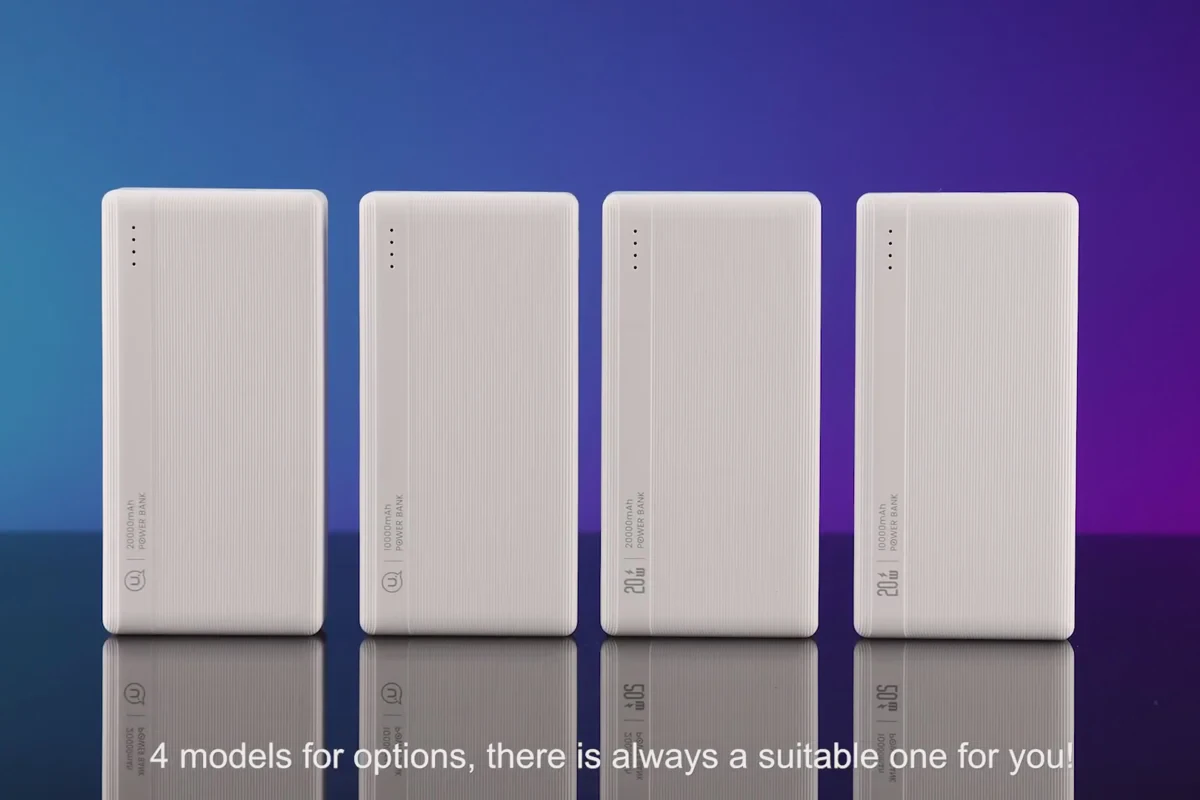
Direct answer: Selling points like "thin and light" cannot be established by shooting the product very small. Cross-border e-commerce product videos should at least provide a credible reference, a carrying or using action, and allow checkable information like size, capacity, and ports to return to the product page; only then can viewers understand what the "lightness" they see really means.
Many power bank videos start with the product spinning on a clean background. The frame is tidy, but "thin and light" remains just an adjective. What truly leaves a judgment is often the proportional relationship after the product enters a pocket, onto a desktop, alongside cables, and into a palm: what is it juxtaposed with? Who holds it? When multiple ports appear, has the sense of thickness been reinterpreted?
First give the selling point a reference, don't rush to pair it with an adjective
"Thin" must be relative to something to have meaning. It can be a hand, an everyday carry item, the edge of an office desk, or the real state after plugging in. The reference doesn't need to be exaggerated; its role is to let viewers make the scale judgment themselves, rather than accepting the conclusion on behalf of the brand.
In the USAMS slim power bank case, the product doesn't need to be treated as a floating visual symbol. Letting the body, ports, and cables appear in the same frame allows viewers to first know what it is, then feel that it is sufficiently lightweight. To see the full clip, return to the USAMS slim power bank product video case.
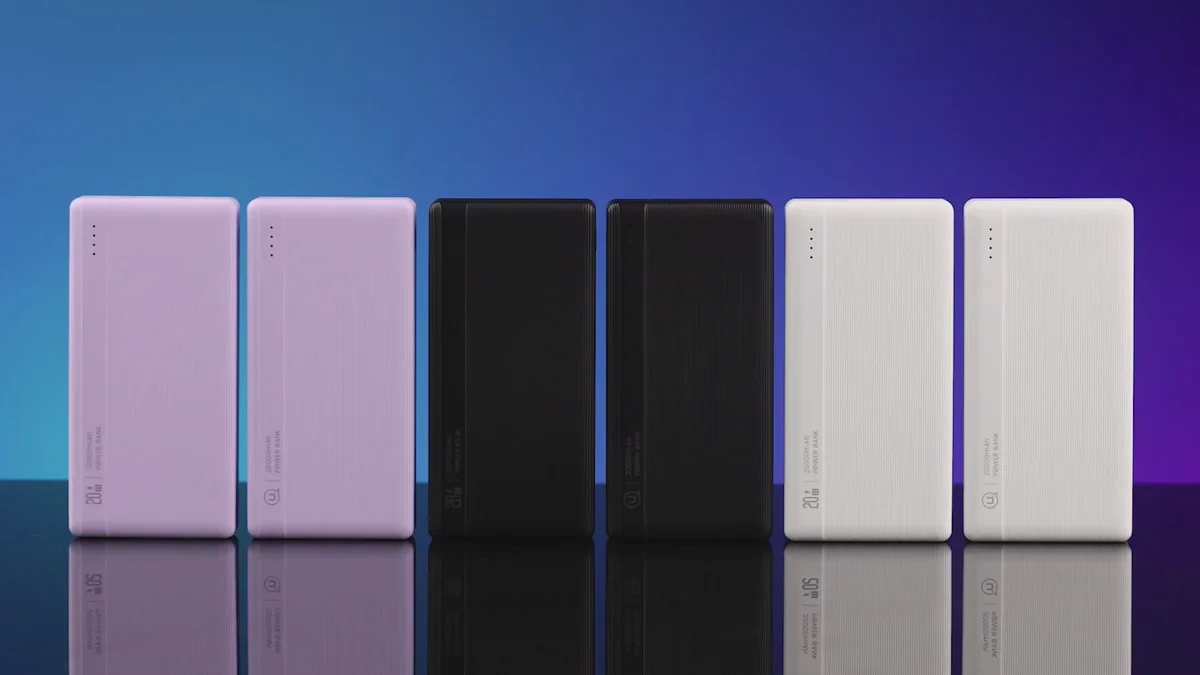
Actions arrive before specs, but cannot replace specs
Holding, storing, plugging in — these are actions that translate "thin and light" into a feeling of use; capacity, power, size, and compatibility information are facts that the product page must state. The former is responsible for making people understand quickly, the latter for allowing people to verify with confidence. Mixing them into the same big slogan wastes footage and risks making the frame bear promises it cannot prove.
Amazon Ads' product video guide suggests placing functionality in actual use and keeping video content consistent with the product detail page description. This reminds us: the video is not another set of claims, but a visual entry point for the detail page's evidence. When involving objective statements about battery life, compatibility, or safety, you should also follow the FTC's policy statement regarding advertising substantiation and prepare evidence matching the specific claims before publication.
Split one video into two viewing tasks
The product page version can leave more seconds for ports, cables, and spec tips; the advertising short cut first presents a clear action, then brings viewers back to the product page. This is not cutting the same video shorter, but letting different scenarios bear different questions: the former answers "what is it really like," the latter answers "why should I keep watching." For overall planning of product pages, advertising, and brand expression, continue reading Cross-border E-commerce Product Video Production Solutions.
If a selling point only works in a headline, it hasn't yet become an image. Next time you shoot "thin and light," first write down the reference object and the action that best explains the use relationship, then decide how to light the product.
References: Amazon Ads Sponsored Products Video Guide; FTC Advertising Substantiation Policy Statement.