A Shenzhen commercial-film creative proposal is not a brand slogan laid out in a beautiful PDF. Before the camera rolls, it lets procurement judge whether selling points can become shots, whether actors, settings and rhythm can carry the emotion, and whether the result can later be split into versions for a website and overseas communication. Taking Y.TREES’ narrative TVC Little Red Dog as an example, a proposal first identifies the specific situation of workplace pressure, then turns abstract care into filmable, reviewable and deliverable image tasks.
Rewrite the brand proposition as a situation viewers can see
The first page of a creative proposal should not lead with style words. It should state what viewers see first and what they understand next. Rather than using voiceover to explain brand attitude, this case first places its character in everyday commuting, work and relationship pressure. For a brand marketing lead, the brief should define three things: the emotional entry point, character actions and the final memorable object. For a procurement manager, these also show whether the director’s team understands the proposition rather than supplying a generic visual template.
Think with Google’s creativity and advertising research has long emphasized that advertising creative must establish a clear, relevant path of understanding in limited time. At proposal stage, write that path as a shot sequence rather than leaving it as an adjective such as “more resonant.”
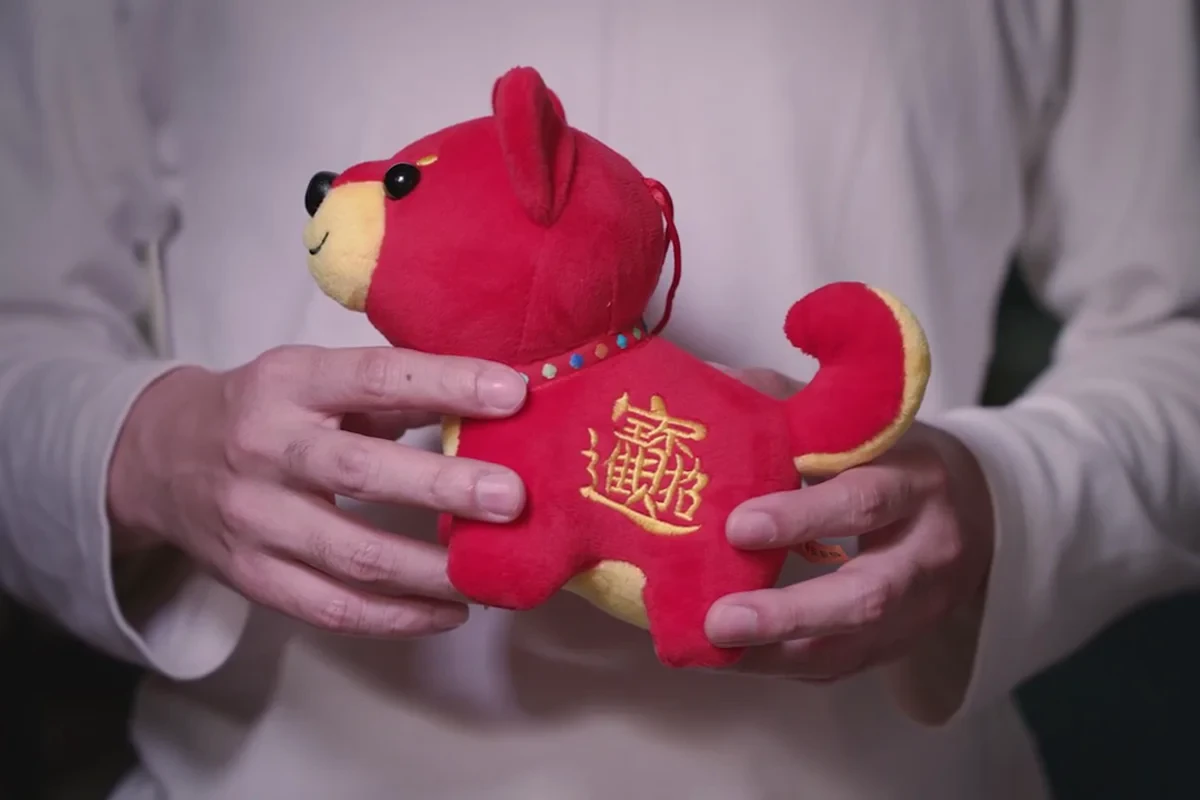
Turn the “red dog” from a prop into an executable visual memory point
A recognizable object deserves a place in a creative proposal only when it carries both narrative and image tasks. Y.TREES’ red dog accompanies the character’s emotion and is a visual anchor that color, close-ups and transitions can repeatedly use. A proposal that can genuinely be quoted should further state which size and material backups are needed, whether close-ups need separate pickups, how hand actions leave edit points, and which images can safely serve the landscape master and short cuts.
A storyboard is not an image list but a shared language for on-set decisions
Once a proposal is approved, the director, cinematographer, producer and client need one judgeable storyboard: what this scene must prove, why characters stand where they do, whether the key-light direction serves the emotion, and whether environmental sound or empty space is needed for post-production. The elevator and corridor scenes in this case do not rely on elaborate sets, yet mirrors, door frames and character entrances and exits establish changing relationships. When comparing suppliers, require each key shot to map to five columns: selling point / emotion / camera position / fallback plan / delivery version. This avoids discovering on site that an image cannot support the copy or platform crop.
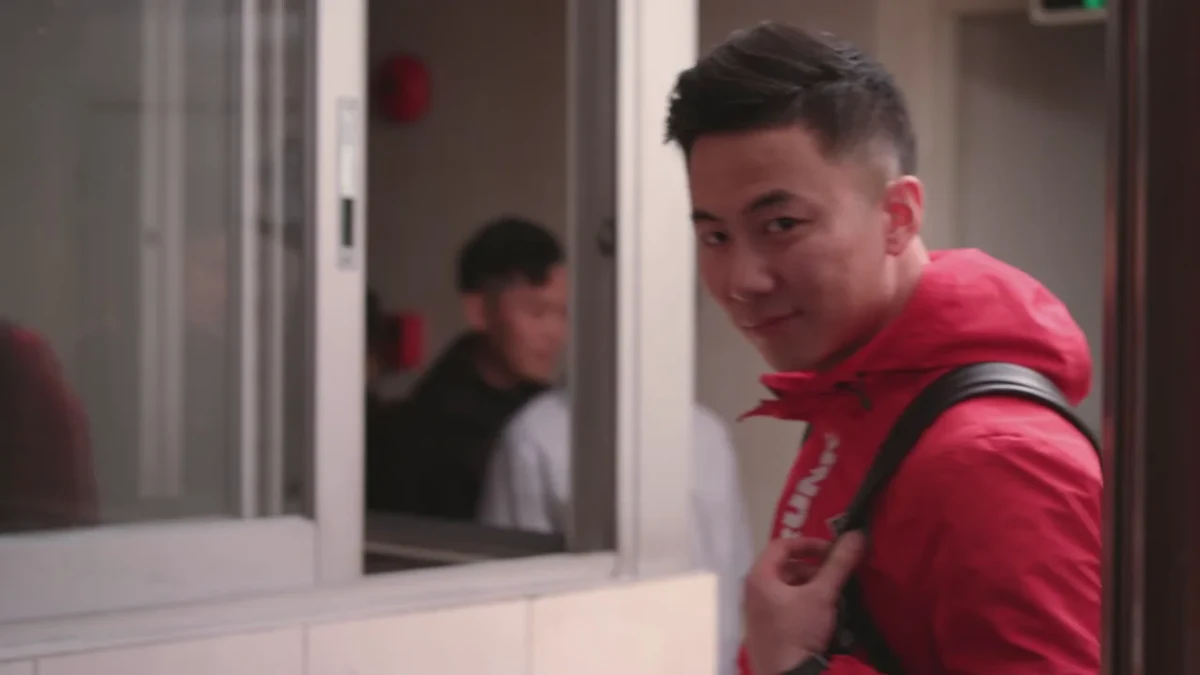
Lighting and performance must leave editable room for later versions
A commercial-film proposal is often mistaken for a decision only about what to shoot; it also decides what cannot be lost later. Character close-ups need stable eyelines, clean enough backgrounds and controllable skin tone; environmental shots need safe areas for titles, captions and different language versions. Y.TREES’ shallow-depth-of-field close-ups hold attention on expression and suit emotional turns, but the shooting plan should also mark landscape, vertical and textless requirements to prevent overseas communication from losing its focus in a later crop.
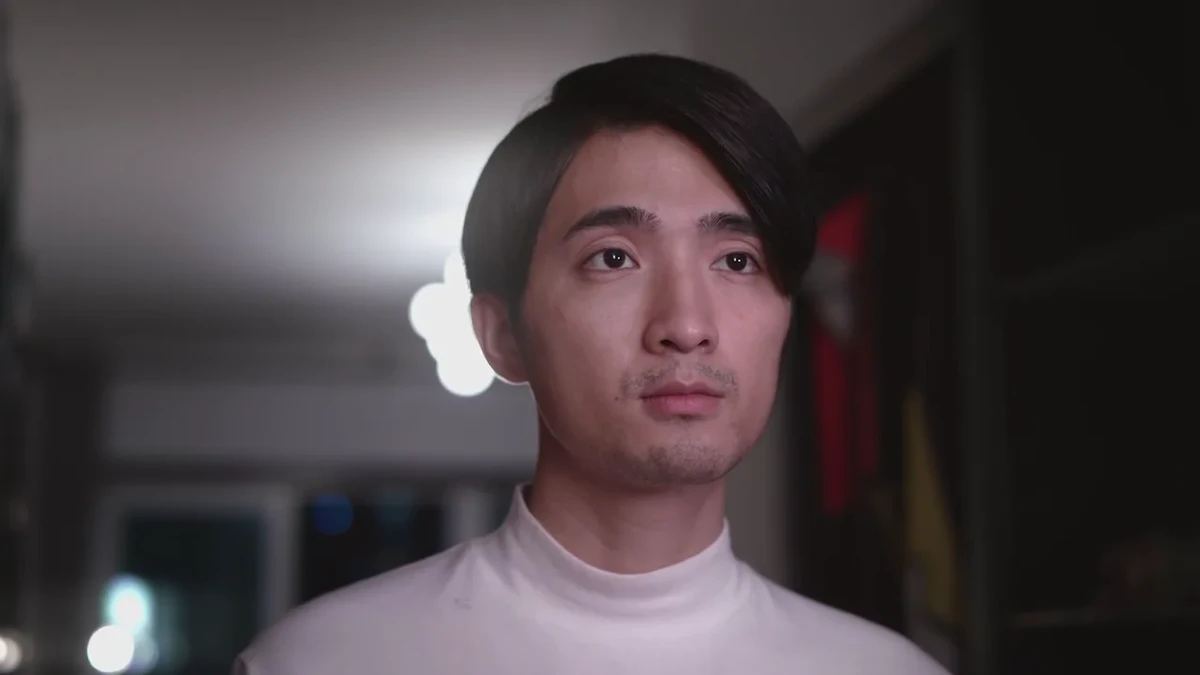
Use delivery boundaries to test whether the creative proposal can actually be executed
A mature Shenzhen commercial-film creative proposal should at least state master duration, short-cut logic, still extraction, captioned and textless versions, music rights, and boundaries for project and source assets. Ad Net Zero’s production and industry-action resources also remind teams that production needs traceable plans and responsibility boundaries. This does not package case images as conversion data; it uses them as evidence of proposal executability: can the same visual anchor work at different shot scales, and can the same setting support both narrative and delivery?
If the project needs a further check of the production path for narrative advertising, see the ONCE TVC commercial-film production solution, or review the full Y.TREES Little Red Dog case, then bring your own product, audience and launch channel into the brief.
Use four questions to close a director-team comparison
First, can the team turn the brand proposition into one verifiable scene task? Second, does the visual memory point have props, camera positions and alternate approaches, rather than only a mood board? Third, does the storyboard mark character action, light, sound and platform safe areas in advance? Fourth, does the delivery sheet make the master, short cuts, stills, captions, rights and source files auditable? Only when all four can be answered is a creative proposal not a decorative pre-production document, but a working draft executed jointly by supplier, client and post-production.