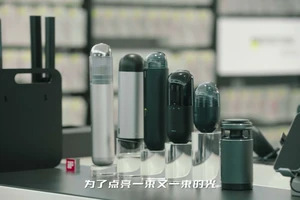
ONCE local case-study still: a commercial-image composition study.
An ONCE local case-study still, shown only to demonstrate commercial-image composition and production language; it is not evidence of the platform rules, product performance, or client results discussed in this article.
A practical acceptance checklist
Check item

| Common risk | Make acceptance part of the project rhythm, rather than a closing task | Content, versions, and delivery should follow one project workflow. See the relevant solution for a practical reference; begin with a project conversation to clarify existing assets and the next production boundary. | What matters is not the number of tables, but whether someone can make a decision before rework occurs. |
|---|---|---|---|
| Current rules set the boundary; the working matrix turns it into action | Before release, review platform, standard, and rights facts against the linked official materials. External sources answer what the current public boundary is; this original tool identifies who turns it into scripts, shots, versions, and acceptance actions, and when. If an account, territory, category, or rule date changes, return to the original page for verification rather than treating this article as permanent back-office guidance. | Sources support only verifiable external facts. This article uses original production tools to form its own judgment and does not use case-study imagery as a substitute for rule evidence. | Bring the judgment back to this project |
| If your team is working on the question above, first prepare the current page or placement, product facts, target market, and available assets; then use the relevant matrix and checklist to identify gaps. The linked solution page and this supporting article serve different purposes. | Need to turn this judgment into a brief that can be shot, reviewed, and delivered? | Discuss the project with the working matrix | The cover image is a frame extracted from an ONCE local case-study video. It shows only composition and production language, and does not represent evidence of platform rules, product performance, or client outcomes described here. |
| TVC | When reviewing brand film, product film, and TVC roles, teams often leave practical decisions until the final cut. The essential question is whether the working record identifies the owner, shot, and version before rework begins. | Start by defining the decision in observable terms, then translate it into a shot list and approved version. Clear evidence, responsibility, and a usable boundary make the work more reliable. | Treat the checklist as a production tool: record what is confirmed, what remains to be confirmed, who decides, and which version is affected. |
The creative result can change in form, but it must not change verified product facts, approved rights, or the context in which viewers understand the message.
At kickoff, lock the responsible owner and input files. During production and review, retain the version, approver, and applicable scope for every change. At delivery, leave the next production, media, or operations colleague assets they can continue to use.
A strong deliverable is repeatable across placements, formats, and teams. It should offer a practical next step without asking a later edit to solve an unresolved decision.
Where territory, account, category, platform, or date-specific requirements apply, validate the live official rule before publication.
When reviewing brand film, product film, and TVC roles, teams often leave practical decisions until the final cut. The essential question is whether the working record identifies the owner, shot, and version before rework begins.
Start by defining the decision in observable terms, then translate it into a shot list and approved version. Clear evidence, responsibility, and a usable boundary make the work more reliable.
Treat the checklist as a production tool: record what is confirmed, what remains to be confirmed, who decides, and which version is affected.
The creative result can change in form, but it must not change verified product facts, approved rights, or the context in which viewers understand the message.
At kickoff, lock the responsible owner and input files. During production and review, retain the version, approver, and applicable scope for every change. At delivery, leave the next production, media, or operations colleague assets they can continue to use. A strong deliverable is repeatable across placements, formats, and teams. It should offer a practical next step without asking a later edit to solve an unresolved decision.Where territory, account, category, platform, or date-specific requirements apply, validate the live official rule before publication.
When reviewing brand film, product film, and TVC roles, teams often leave practical decisions until the final cut. The essential question is whether the working record identifies the owner, shot, and version before rework begins.
Start by defining the decision in observable terms, then translate it into a shot list and approved version. Clear evidence, responsibility, and a usable boundary make the work more reliable.
Treat the checklist as a production tool: record what is confirmed, what remains to be confirmed, who decides, and which version is affected.
The creative result can change in form, but it must not change verified product facts, approved rights, or the context in which viewers understand the message.
At kickoff, lock the responsible owner and input files. During production and review, retain the version, approver, and applicable scope for every change. At delivery, leave the next production, media, or operations colleague assets they can continue to use.
A strong deliverable is repeatable across placements, formats, and teams. It should offer a practical next step without asking a later edit to solve an unresolved decision.
Where territory, account, category, platform, or date-specific requirements apply, validate the live official rule before publication. When reviewing brand film, product film, and TVC roles, teams often leave practical decisions until the final cut. The essential question is whether the working record identifies the owner, shot, and version before rework begins. Start by defining the decision in observable terms, then translate it into a shot list and approved version. Clear evidence, responsibility, and a usable boundary make the work more reliable. Treat the checklist as a production tool: record what is confirmed, what remains to be confirmed, who decides, and which version is affected.The creative result can change in form, but it must not change verified product facts, approved rights, or the context in which viewers understand the message.
At kickoff, lock the responsible owner and input files. During production and review, retain the version, approver, and applicable scope for every change. At delivery, leave the next production, media, or operations colleague assets they can continue to use.
A strong deliverable is repeatable across placements, formats, and teams. It should offer a practical next step without asking a later edit to solve an unresolved decision.
Where territory, account, category, platform, or date-specific requirements apply, validate the live official rule before publication. When reviewing brand film, product film, and TVC roles, teams often leave practical decisions until the final cut. The essential question is whether the working record identifies the owner, shot, and version before rework begins.Start by defining the decision in observable terms, then translate it into a shot list and approved version. Clear evidence, responsibility, and a usable boundary make the work more reliable.
At kickoff, lock the responsible owner and input files. During production and review, retain the version, approver, and applicable scope for every change. At delivery, leave the next production, media, or operations colleague assets they can continue to use.