How to Define Visual Focus During Project Initiation
Before launching a brand globalization video project, marketing leads must define communication goals and core selling points. The first frame of a vertical short video is not just the start of content but a critical entry point determining whether users stay. Teams should confirm the visual habits of the target audience during the early stages and refer to the latest interface guidelines of the target platform. Do not rely on vague feelings; instead, unify aesthetic standards using specific reference images. Without clear visual guidance, post-production adjustment costs will increase significantly. Brands need to prepare clear scripts and storyboards, marking the subject position and safe areas for each shot. The production team must assess whether shooting conditions support the planned composition, such as whether scene depth and lighting direction help highlight the subject. The risk at this stage is frequent requirement changes, leading to chaotic shooting plans. The consequences are delayed schedules and budget overruns. An exception is when brands use pure AIGC-generated content, where composition logic must be locked in during the prompt engineering phase.
Composition and Negative Space Strategies During Shooting Execution
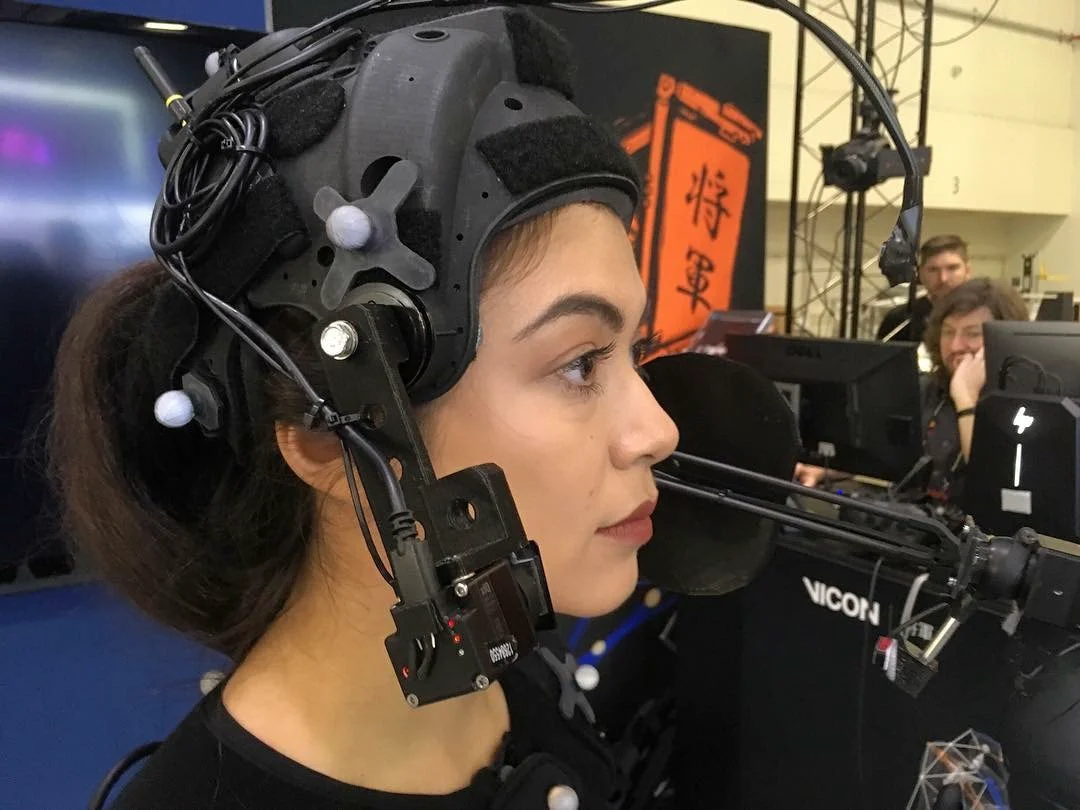
Photographers must consider how platform interface elements obscure the frame during shooting. Typically, the bottom has a text area, the right side has like and comment buttons, and the top has a search bar. Subject placement should avoid these interactive hotspots to ensure key information is fully visible. We recommend center or rule-of-thirds composition, placing the product or person at the visual focal point. Meanwhile, reserve sufficient dynamic space around the frame for adding subtitles or effects in post-production. Lighting should reinforce the subject's outline, avoiding cluttered backgrounds that distract attention. If using virtual production techniques, such as the real-time rendering workflow shown in the reference case, test the perspective match between virtual scenes and live-action subjects in advance. The risk lies in color or aspect ratio differences between on-set monitoring equipment and final mobile displays. The criterion is whether the subject is clear and unobstructed by UI elements when previewed on a mobile phone. If subject edges are cropped, adjust the camera position or focal length immediately. Inapplicable scenarios include artistic short films requiring full-screen immersive experiences, which may sacrifice some information readability for visual impact.
First-Frame Freeze Techniques in Post-Production Editing
Editors should select the most representative frame from the video as the cover. This frame needs high contrast and clear visual leading lines. If no ideal frame exists in the raw footage, create a dedicated cover image via compositing. Maintain consistency between the cover style and video content to avoid suspicions of clickbait. When adding title text, choose readable fonts and place them within safe areas. Color schemes must align with the brand identity system while considering background contrast. For multilingual globalization videos, prepare cover versions in different languages to suit various markets. The risk is that different platforms use varying compression algorithms for cover images, potentially causing detail loss. The strategy is to output high-resolution source files and test display effects on multiple devices. Deliverables include watermark-free HD video masters and independent cover image files. If the client does not specify a cover, the default is the keyframe from the first second of the video, but this is often not the optimal solution. An exception is platforms where dynamic covers are prevalent, requiring short loop animations as covers.
Coordinated Design of Audio and Subtitles
The auditory experience of short videos also affects retention rates. Background music or sound effects should start immediately with the first frame to set the atmosphere. Subtitle design must coordinate with the subject position in the frame to avoid overlapping interference. For mute playback scenarios, subtitles must contain key information to ensure users understand the content without turning on sound. Voiceover speed should match the visual rhythm to avoid information overload. The risk is insufficient accuracy in auto-translated subtitles, leading to miscommunication of brand messages. The criterion is semantic fluency and cultural adaptability after review by native speakers. The production team must provide bilingual comparison scripts and have professional translators perform localization polishing. Serious translation errors in deliverables will damage brand image. Inapplicable conditions include purely visual narrative videos, which rely on visuals themselves to convey emotion and do not require extensive text assistance.
Multidimensional Checklist for Acceptance Phase
A strict acceptance process is required before project delivery. First, check if video resolution and bitrate meet platform requirements to avoid quality degradation from compression. Second, verify the cover image display on screens of different sizes to ensure the subject is complete and aesthetically pleasing. Third, verify subtitle spelling and timeline synchronization to eliminate typos and delays. Finally, confirm copyright scope, including usage rights for music, fonts, and assets. Brands should assign personnel to check items individually and record feedback. The risk is subjective acceptance standards leading to repeated revisions. The strategy is to clearly define revision limits and acceptance criteria in the contract. Deliverables include the final video, project file backups, and copyright documentation. If major technical defects are found, such as audio-video desynchronization or black screens, return for remaking. An exception is urgent launch projects, where minor flaws may be accepted for timeliness, but liability waiver clauses must be confirmed in writing.
Applicable Boundaries and Risk Warnings
Not all brand content is suitable for strong guided cover designs. High-end luxury or artistic brands may prefer minimalist styles to retain mystery. B2B industry videos focus more on information density, with covers directly displaying core value propositions. Additionally, users from different cultural backgrounds have varying preferences for color and composition, requiring localized testing. The risk is blindly imitating popular trends, leading to deviation from brand tone. The criterion is consistency with the brand's long-term visual strategy. Adjust strategies promptly if negative feedback occurs. Inapplicable scenarios include internal training videos or highly confidential product demos, which do not require public dissemination and thus do not need optimized social media covers. Production teams should remind clients of platform policy changes to avoid account restrictions due to violations.
Next Step Action Recommendations
We recommend that brands organize past cover cases with good performance data and analyze their common features before starting the next video project. Provide clear visual references and prohibitions when communicating with the production team. Conduct small-scale tests before shooting to validate the effectiveness of composition plans. During post-production, retain multiple cover versions for A/B testing. Follow the latest design guidelines published by platforms and adjust production processes accordingly. If professional support is needed, contact service providers with experience in overseas marketing video production for customized solutions. Do not ignore the impact of small details on overall conversion rates; continuous optimization is key to improving brand globalization results.
If you are preparing a brand globalization video project, you can first organize the brief, reference images, product or company materials, delivery platforms, and copyright scope, then view theOverseas Marketing Video Services page, to translate communication from abstract preferences into executable production boundaries.