Clarify the Strategic Intent of Context Establishment
The core challenge for brand globalization videos lies in bridging cultural contextual differences. On short-video platforms like TikTok, users scroll rapidly; if the opening fails to quickly establish a cognitive anchor, subsequent product selling points will lose the opportunity to be viewed. Conveying product usage context focuses on using visual symbols to quickly answer "who is using it," "where it is used," and "what problem it solves." Marketing heads must clarify during project initiation whether context establishment serves conversion goals or brand awareness. If the goal is direct conversion, the context should align with pain-point scenarios; if the goal is brand exposure, the context should possess aesthetic tension or emotional resonance. Teams need to define core audience life snippets in the Brief, avoiding vague labels like "high-end" or "young," and instead describe specific behavioral actions and environmental characteristics.
Select Highly Recognizable Visual Symbols
An effective opening relies on highly recognizable visual symbols. These symbols can be specific props, light textures, background noise, or character attire. Production teams should extract key elements from reference clips rather than copying compositions. For example, when showcasing outdoor power supplies, instead of filming a product close-up, first present the moment a camper lights up the device in a dim tent. This approach uses environmental contrast to establish context. Brands need to provide real usage scenario footage or detailed environmental descriptions to prevent production teams from imagining contexts that lead to distortion. The standard for judging symbol effectiveness is whether viewers can infer the product type or usage scenario solely from the visuals after removing brand logos. If they cannot, the context establishment has failed, and the opening shot needs redesigning.
Context Integration in Pre-production Scripts and Storyboards
During the scripting phase, context establishment must be compressed into the first three seconds. Storyboard design should follow an "action-first" principle, avoiding static displays. Screenwriters and directors must jointly confirm the information density of the first shot. If using live-action performance, actors' micro-expressions and body language must align with the cultural habits of the target market. If using pure product display, dynamic camera movements or lighting changes should imply usage status. When reviewing storyboards, brands should focus on whether shot logic is coherent and whether there are any culturally taboo elements. For instance, certain gestures or colors may have negative connotations in specific regions. In such cases, local consultants should be introduced or local trending content referenced for calibration. Once storyboards are confirmed, core context settings must not be changed arbitrarily to avoid logical breaks in post-production.
Personnel Arrangement and Role Division
Efficient project execution relies on a clear personnel structure. The project manager coordinates progress and resources to ensure timely delivery of each stage. The creative director controls the overall visual style and narrative logic to ensure content aligns with brand tonality. The director handles on-site coordination and performance guidance to ensure actor states match the contextual atmosphere. The director of photography manages lighting design and cinematic language to enhance visual impact. The post-production supervisor handles editing rhythm and VFX compositing to improve final quality. The brand liaison must have decision-making authority to provide timely feedback, avoiding communication delays caused by layered reporting. All members must unify their understanding of goals at the project kickoff meeting, clarify respective responsibility boundaries, and form a collaborative force.
Environment and Lighting Control During Shooting Execution
The shooting site must strictly recreate the contextual atmosphere set in the storyboard. The gaffer must choose hard or soft light based on scene nature to enhance product texture or the realism of the usage environment. For example, kitchen scenes should use warm natural light to simulate family warmth, while tech product scenes can use cool-toned rim light to highlight precision. The cinematographer must ensure focus accurately lands on key interaction points, such as fingers pressing buttons or liquid being poured into a cup. The sound recordist must capture ambient sounds, such as wind, water flow, or street noise, as these audio cues assist visuals in quickly establishing context. Brand representatives should monitor monitors on-site to confirm that visual details meet expectations, particularly the exposure angle and clarity of product logos. If contextual deviations are found, sets or performance methods must be adjusted immediately to avoid high costs for post-production fixes.
Rhythm and Information Layering in Post-Production Editing
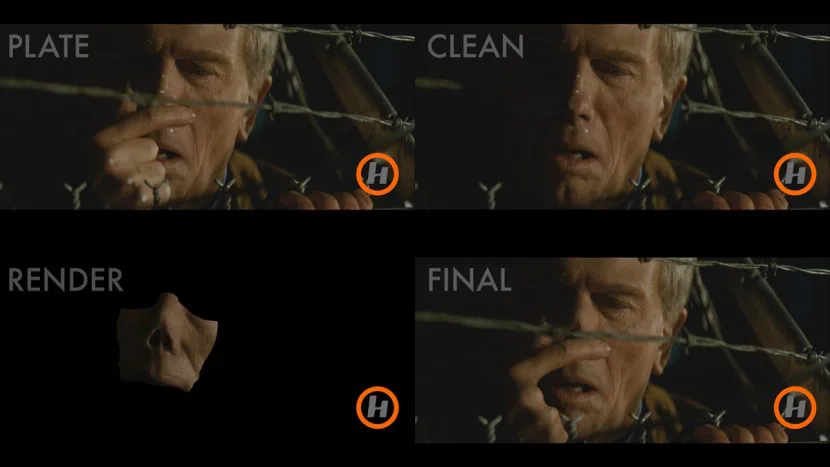
Post-production editing must enhance the impact of the opening. Editors should use quick cuts or match cuts to tightly connect contextual elements with product functions. Sound design is crucial at this stage; the transition between ambient sound and background music must be natural and smooth, avoiding abrupt transitions that break viewer immersion. Subtitles must be concise and appear in sync with visual rhythm, avoiding obstruction of key visual information. Color grading must unify the entire video's tone to ensure contextual consistency. For example, if the opening is set in the early morning, the overall color temperature should remain cool and bright, avoiding mid-video warm yellow tones that cause temporal confusion. During the initial rough cut review, brands shouldzhong dian check whether context establishment is clear and whether the rhythm is sluggish. If the first few seconds are overloaded or ambiguous, redundant shots must be decisively cut, retaining only the core visual clues.
Multi-Dimensional Acceptance and Delivery Standards
The acceptance process must cover scripts, storyboards, shooting footage, rough cuts, fine cuts, color grading, sound, subtitles, and master files. Each stage requires separate confirmation and recorded feedback. Brands must verify that the final video meets the platform's latest technical specifications, such as resolution, frame rate, bitrate, and audio format. Copyright risks must also be checked to ensure commercial licenses for used music, fonts, and assets. For TikTok, vertical composition integrity must be noted to prevent key information from being obscured by interface icons. Deliverables should include versions without subtitles, versions with hard-coded subtitles, and source files to facilitate subsequent multilingual adaptation or secondary creation. If unclear context establishment or technical flaws are found during acceptance, the scope of revisions and deadlines must be clearly defined to avoid indefinite rework.
Applicable Boundaries and Exceptions
Not all brand globalization videos are suitable for a strong context-opening strategy. For highly abstract service products or brand image films, longer buildup may be needed to establish emotional connections. In such cases, forcibly compressing context may fragment the narrative. Additionally, if the target audience is professional B2B clients, they focus more on parameters and solutions than lifestyle contexts. Such content should adopt straightforward graphic-text or demonstration styles. Brands must flexibly adjust strategies based on product attributes and marketing stages. If a product is in the early market education phase, functional demonstrations should be emphasized; if mature, emotional resonance can be prioritized. Teams should avoid blindly following trends and instead continuously optimize content models based on data feedback.
Risk Management and Compliance Recommendations
International dissemination faces complex legal and cultural risks. Teams must proactively screen target market advertising regulations to avoid prohibited terms or misleading claims. Religious sensitivities and political stances require extra caution to avoid unnecessary controversy. Portrait rights and music copyrights must obtain written authorization to prevent subsequent legal disputes. Data storage and privacy protection must comply with local regulatory requirements, especially when involving user-generated content. It is recommended to establish emergency plans and response mechanisms for potential negative comments or public opinion crises. Regularly review project execution, summarize successful experiences and lessons learned, and continuously optimize production processes and risk control systems.
If you are preparing a brand globalization video project, you can first organize the Brief, reference images, product or corporate materials, delivery platforms, and copyright scope, then view theInternational Marketing Video Services page, to ground communication from abstract preferences to executable production boundaries.