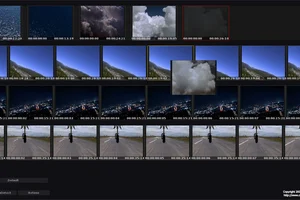
Repurposing old footage is primarily a content strategy issue.
When producing corporate anniversary videos, the most common misconception is treating old footage as mere video files waiting to be retrieved. In reality, whether old footage generates new value depends on how you define its role during the project initiation phase. Brands must answer three questions before determining how to use existing assets. First, what is the core message of the anniversary video: reviewing achievements, showcasing the team, or looking toward the future? Second, does the old footage serve as evidence, evoke emotion, or supplement the pacing? Third, which assets are cleared for public use, and which involve unreleased products, former employees, or expired contracts requiring legal verification?

Upon receiving a brief, the production team should request an archive inventory from the brand, including shoot year, scene content, subject identity, visual quality, original format, and copyright ownership. Without this list, the post-production team cannot assess asset usability or estimate restoration costs. If a complete inventory is unavailable, the brand must at least provide timecodes and descriptions for key clips. Otherwise, missing footage or unclear rights may necessitate rework during post-production, directly extending delivery timelines.
A practical standard is that if archival footage exceeds 30% of the final runtime, the start time, end time, purpose, and replacement plan for each clip must be defined during storyboarding. If archival footage serves only as background or transition, this ratio may be reduced, but it must still be noted in the script. This ensures all stakeholders understand the scope of archival usage before filming, preventing the discovery of unusable footage during post-production.
Establish an archival footage usability grading system during project initiation.
When preparing a corporate video project, brands should classify archival footage into three tiers. Tier 1 consists of directly usable HD footage with stable visuals, clear audio, and no copyright disputes. Tier 2 includes footage requiring restoration or color grading due to low resolution, color casts, or visible noise, despite its important content. Tier 3 comprises reference-only or unusable footage, such as material containing confidential information, featuring former employees without authorization, or suffering severe visual damage.
The production team must determine the shooting strategy based on this classification. If archival footage lacks key scenes, such as major company milestones or core product launches, supplementary filming is required. During reshoots, lighting, wardrobe, and set design must match the archival style; otherwise, viewers will notice jarring visual inconsistencies. A common practice is incorporating identical props or environmental elements from the archival footage into new shots, such as matching desks or wall colors, to maintain visual continuity.
A key risk is that brands may overestimate archival quality, assuming all historical footage is usable. The production team must conduct early tests by selecting representative clips for color grading and noise reduction to demonstrate potential restoration results. If restoration costs are excessive or results are substandard, the project proposal should recommend using newly shot footage or AIGC-generated alternatives. This prevents unexpected expenses during post-production.
An exception applies if the anniversary video is intended solely for internal commemoration or limited distribution; in such cases, technical quality standards may be lowered, though copyright and talent releases remain mandatory. Brands must prepare an archival authorization record, including signed portrait rights agreements, location permits, and music licensing proofs. Without these documents, footage cannot be released publicly regardless of its content value.
Reserve matching space for archival footage during principal photography.
When filming new footage for an anniversary corporate video, production must ensure compatibility with existing archival material. This requires analyzing the color tone, composition, camera movement, and subject presentation of archival clips before designing the new shoot plan. For example, if archival footage features warm tones, static shots, and formal attire, new footage should avoid cool tones and excessive handheld movement to prevent jarring transitions during editing.
Specific actions include creating printed keyframe screenshots of archival footage as references for the cinematographer and gaffer before shooting. The gaffer should adjust lighting ratios and color temperature to match the archival footage, while the cinematographer should replicate its framing and camera movements. If the archival material features iconic locations like old factories or former offices, filming new scenes at the same or similar sites can create a resonant connection across time.
Audio capture also requires attention during filming. Since archival audio quality is often poor, any dialogue in new footage must be recorded separately at high quality for replacement or mixing in post-production. Lip sync must be precise; if original subjects are unavailable, do not force dubbing—use ambient sound or music instead. Another risk involves inconsistent actions between new and archival footage, such as waving versus handshaking, which can cause narrative confusion.
For anniversary videos requiring extensive archival footage, schedule a dedicated asset collection day in the production plan. Do not shoot new content on this day; instead, focus on organizing, digitizing, transcoding, and backing up legacy materials. Many brands store archival footage on videotapes or obsolete media that require specialized playback equipment. The production team must verify equipment compatibility in advance and prepare backup drives to prevent data loss.
Establish a restoration and integration workflow for archival footage during post-production.
In post-production, restoring and integrating archival footage is critical to the final video's quality. Restoration includes denoising, scratch removal, stabilization, resolution enhancement, and color correction. Integration ensures seamless visual and narrative continuity between old and new footage. The team should first apply uniform processing to all selected archival clips to establish a baseline color grade, then match the new footage to this style.
A practical workflow involves creating a rough cut, noting issues in each archival clip, and restoring them individually. Avoid over-processing; retaining historical characteristics like slight grain or color shifts can enhance authenticity. If archival resolution is too low, consider AIGC super-resolution reconstruction, ensuring generated content does not alter original facts such as facial features or product appearance.
If archival audio is unusable, redesign the soundscape with layered audio. Add ambient sounds, foley, or music without obscuring key visual information. For example, retain partial original audio of leadership speeches even if unclear to preserve the historical atmosphere. Complete replacement diminishes authenticity.
Upon delivery, the brand must review the results of every restoration step. Verify consistent color grading, clear audio, and accurate subtitles matching the archival content. Note that logos, product models, or data in archival footage may be outdated and require masking or updating. If updates are impossible, retain the original visuals but clarify via voiceover or subtitles that they are historical images.
The acceptance checklist must verify specific risks associated with archival footage item by item.
During corporate video acceptance, brands should not only evaluate the final cut but also use a dedicated checklist for archival footage usage. This checklist must include: First, confirm copyright clearance for all archival assets, including likenesses, locations, music, and third-party content. Second, verify the accuracy of information such as company names, addresses, and phone numbers, ensuring any changes are addressed in the final cut. Third, ensure restoration quality meets broadcast standards, confirming that noise and blur are acceptable for large-screen playback.
Fourth, check whether the color and style of archival footage coordinate with newly shot material without jarring transitions. Fifth, verify that brand elements in archival footage, such as logos, slogans, and packaging, align with current branding or are reasonably explained in the video. Sixth, assess whether the proportion of archival footage is appropriate, avoiding excessive use that makes the video appear dated or repetitive.
Upon delivery, the production team must provide an archival footage log detailing the timecode, source, processing method, and copyright status of each clip. The brand should conduct spot checks against this log rather than relying solely on the final video. If any unlisted footage is discovered, halt distribution immediately and verify its source.
During acceptance, verify outputs across all versions. Corporate anniversary videos typically require multiple formats, such as landscape, portrait, and varying durations. When cropping or scaling archival footage, key details like faces or product features may be lost. Brands must review each version individually to ensure legacy assets are not distorted or incorrectly cropped when adapted for different platforms.
Identify scenarios where reusing archival footage is inappropriate in advance.
Not all anniversary videos are suitable for extensive use of archival footage. Reduce or avoid reuse in the following cases: First, if the brand image has undergone a major shift—such as a new logo, product line change, or market entry—old footage may convey the wrong message. Second, if individuals in the footage are linked to negative incidents or employment disputes, their inclusion poses PR risks. Third, if the source quality is too low to meet basic clarity standards even after restoration, forced usage will degrade overall production value.
Fourth, avoid reuse if the narrative perspective of old footage conflicts with current communication goals. For example, if an anniversary video aims to highlight innovation and the future, but the archive consists entirely of traditional craftsmanship and nostalgic scenes, it may suggest the brand has stagnated. Fifth, do not use footage with unclear copyright ownership, especially third-party or co-produced content that may lack perpetual usage rights.
If the production team identifies these issues during preliminary assessment, they should clearly inform the brand and recommend adjustments. Options include reducing the proportion of archival footage in favor of newly shot visuals combined with historical data graphics. Alternatively, AIGC technology can generate stylized historical recreations, provided they are clearly labeled as simulated to avoid misleading viewers.
Another unsuitable scenario involves paid advertising platforms, which enforce strict reviews on copyright and content authenticity. Archival footage containing unauthorized likenesses or undisclosed information may be rejected. Brands should conduct self-checks before submission and retain all authorization documents for verification.
The recommended next step is to begin with an asset inventory.
When preparing a corporate anniversary video, brands should spend one week completing an archival asset inventory before contacting a production team. Organize all historical video files by year, scene, subject, and quality, noting copyright status. Simultaneously gather company milestones, product iteration records, and lists of key personnel to help the production team quickly understand the brand's history.
After completing the inventory, hold a project kickoff meeting with the production team to discuss asset usability and filming requirements. Based on the asset list and communication goals, the team will propose specific shooting and post-production plans. If archival quality varies significantly, request a test sample first to demonstrate restoration results and visual integration before deciding whether to proceed.
Finally, remember that reusing archival footage is essentially a creative reinterpretation of brand history. Only by defining clear communication goals, respecting copyright, and executing rigorously can legacy assets deliver new value while avoiding legal and reputational risks.
If you are preparing a corporate video project, gather your brief, visual references, product or company materials, delivery platforms, and licensing scope before proceeding.Corporate Video Services pageto translate abstract preferences into actionable production parameters.