Define Communication Anchors for Cross-Cultural Narratives
When launching a global brand video project, the primary task is clarifying the core narrative logic. In cross-cultural contexts, language serves not only as an information carrier but also as an emotional channel. Marketing leaders must define the target audience's cultural background and cognitive habits during the planning phase. If core selling points rely on complex technical parameters or abstract brand concepts, subtitles alone may fail to convey emotional impact. Teams should then evaluate whether to use native-language interviews with precise translation or conduct interviews directly in the target market's language. The team must confirm whether the communication goal is building trust or demonstrating functionality, as this directly determines subject selection criteria and question depth. Overlooking this preliminary assessment can lead to disjointed footage logic during editing and increase reshoot costs.
Select Interview Subjects with Bilingual Mindsets
Subject selection directly impacts the final film's quality. Ideal interviewees should possess authority in their field and cross-cultural communication skills. Brands should prepare detailed background kits in advance, including company history, product technical details, and sensitive topics to avoid. During pre-interviews, focus on assessing the subject's verbal expression habits and on-camera presence. If the subject's native language differs from the target market's language, assess their fluency in English or other common languages. For cases requiring native-language interviews, allocate sufficient time for interpretation coordination. A key risk is that language barriers may cause nervousness, leading to stiff or off-topic responses. The solution is arranging multiple pre-shoot communications to build trust, ensuring subjects understand the intent behind questions rather than mechanically reciting answers.
Design Question Structures with Pauses and Interaction
Interview questions must serve the post-production editing rhythm. Avoid closed-ended questions answerable with a simple 'yes' or 'no'; instead, use open-ended prompts to guide storytelling. Given the presence of interpreters, allow sufficient pauses between questions. These pauses provide space for translation and preserve natural breathing room for editing. Production teams should refine question lists with directors to ensure each prompt elicits visually descriptive responses. For example, ask about decision-making processes in specific scenarios rather than macro strategic significance. Overly abstract questions often lead to theoretical explanations and monotonous visuals. An exception applies when subjects are highly charismatic and articulate; in such cases, reduce intervention to capture their natural expressions.
On-Set Interpretation Coordination and Audio Standards
On-set interpretation must be integrated into the overall audio management workflow. Interpreters should remain out of frame, but their voices must be recorded independently. Use separate lavalier microphones for the subject and interpreter, or handle separation in post-production. If using simultaneous interpretation, strictly control speech rate and volume to avoid obscuring emotional nuances in the subject's voice. Lighting and camera setups must accommodate the interpreter's position to ensure natural eye contact. Risks include ambient noise interference or heavy accents affecting audio quality. Execution steps include testing audio capture at various distances during rehearsals and preparing backup recording plans. Budget permitting, hire professional interpreters with film experience who understand how to adjust pacing for the camera.
Reconstructing Linguistic Rhythm in Post-Production
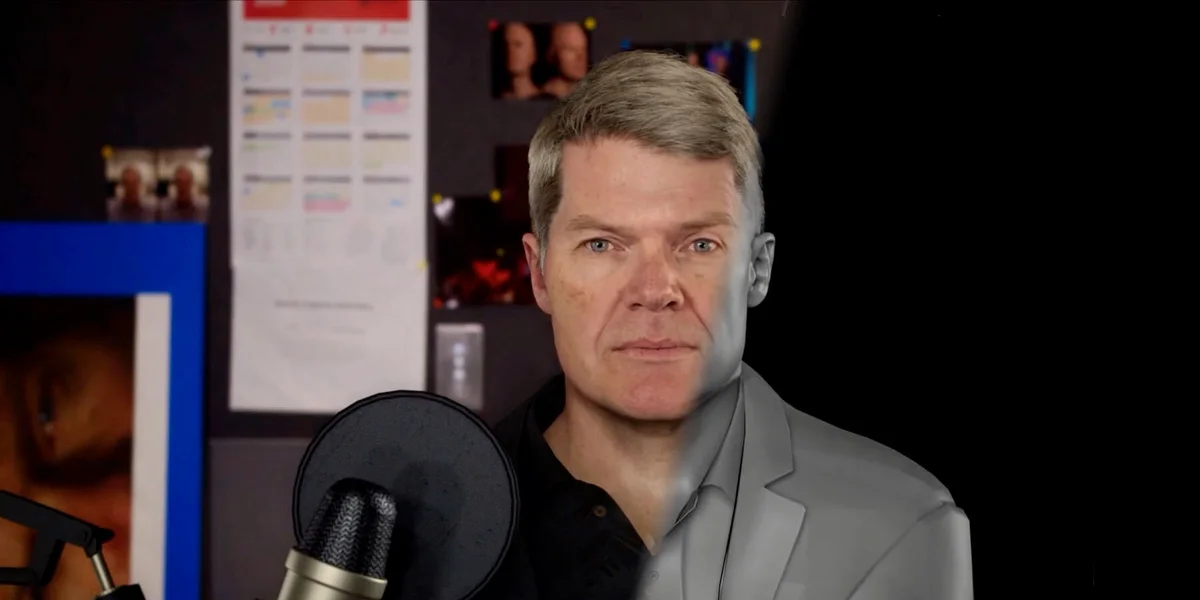
In post-production, editors must address rhythm matching between original audio and translation. Common approaches include retaining key emotional words from the original, overlaying translated voiceovers, or fully replacing audio with dubbing. Regardless of method, ensure lip-sync and audio remain logically consistent. If using AI tools for lip-syncing or voice cloning, strictly review ethical compliance and copyright ownership. While cutting-edge technologies like real-time hybrid AI and CGI face replacement can enhance visual consistency, assess their applicability cautiously to avoid the uncanny valley effect. Editing should focus on using visual cuts to bridge rhythmic gaps caused by language transitions. For instance, insert relevant B-roll or product close-ups during translation gaps to maintain viewer attention. Conduct multiple internal reviews before delivery to verify subtitle timing and audio synchronization accuracy.
Multi-Dimensional Acceptance and Copyright Clearance
Acceptance checks must cover scripts, storyboards, production execution, editing, color grading, sound design, subtitles, masters, and source files. Brands should verify the final cut against previously confirmed communication goals. Pay special attention to subtitle accuracy and cultural adaptation to avoid ambiguity from literal translation. Audio mixing must balance vocals, background music, and ambient sound to ensure good playback across devices. Regarding copyright, confirm legal authorization for all music, fonts, stock assets, and AI-generated content. If third-party likenesses or locations are involved, verify that signed release forms cover target distribution channels. Projects failing acceptance require specific revision notes to avoid vague feedback causing rework loops. Archive source files in standard formats to facilitate future adaptations or version updates.
Identify Project Boundaries Where This Approach Is Unsuitable
Not all brand content suits documentary-style interview pacing. For products in early promotion stages requiring rapid feature communication, short videos or TVCs may be more efficient. Documentaries suit companies with deep brand heritage, strong stories, or those needing to establish profound trust. Limited budgets or tight schedules make complex interpretation coordination and multi-round editing uncontrollable risks. Furthermore, if the target market has low tolerance for long-form narratives, prioritize fragmented social media short video strategies. Teams must objectively assess resource alignment with project needs to avoid prioritizing format over communication efficiency. When uncertain, produce test samples first and adjust production direction based on feedback.
Marketing leaders are advised to organize existing assets and core messages before project launch, conducting thorough requirement alignment with production teams. Define delivery standards and responsibilities for each phase to keep the project within manageable scope. For further details on global brand videos, overseas marketing videos, or AIGC video production services, refer to the public business overview on the ONCE website for professional support tailored to your needs.
If you are preparing a global brand video project, start by organizing your brief, reference visuals, product or corporate materials, delivery platforms, and copyright scope before reviewing theOverseas Marketing Video Services pageto translate abstract preferences into actionable production parameters.