Basic Principles of How Opening Questions Determine Retention Rates
On short-video platforms like TikTok, users scroll extremely fast. The first three seconds of global brand videos must capture attention through compelling opening questions. This is not merely copywriting but psychological engagement. Users from different cultural backgrounds react vastly differently to direct questions, suspense, or emotional resonance. Production teams must define the target market's linguistic habits and cultural taboos during project initiation to avoid misinterpretation caused by literal translation. If the visuals fail to reinforce the question with impact, user drop-off rates will rise significantly.
Market Differentiation Strategies During Project Initiation
Brands must provide clear target audience profiles and core selling points when preparing materials. Production teams should use these to develop tailored opening strategies for each market. For example, North American audiences prefer direct, humorous, or challenging questions, while Southeast Asian markets may favor friendly, lifestyle-oriented hooks. Reference visual styles must be confirmed at this stage to determine whether to use live action, animation, or text-only formats. Without clear market positioning, subsequent filming becomes aimless, rendering footage non-reusable. The risk lies in insufficient preliminary research, causing the final video to underperform in specific regions.
- Action 1, establish a cultural taboo list for the target market, excluding terms related to religion, politics, and sensitive social issues.
- Action 2, collect viral videos from top local competitors and analyze their sentence structures and visual hooks in the first three seconds.
- Evaluation Criteria, whether the opening question aligns with local colloquial usage and can be intuitively understood by non-native speakers within 0.5 seconds.
Visual Translation of Scripts and Storyboards
Opening questions cannot remain textual; they must translate into specific visual actions. Writers and directors must refine storyboards together to ensure the visuals provide sufficient information or spectacle when the question appears. For instance, if the question addresses a product pain point, the visuals should simultaneously depict the problem scenario. Actor expressions, set design, and prop details must be finalized at this stage. If the storyboard lacks dynamic tension, even a brilliant question will fail to retain users. An exception is text-and-image videos, which must rely on typography and pacing to compensate for the lack of motion.
- Action 1, design a corresponding visual metaphor for each question, such as using broken objects to symbolize quality issues.
- Action 2, plan camera movements to ensure the subject remains the visual focal point when the question ends.
- Evaluation Criteria, whether the core intent of the question can be inferred solely from the visuals when viewing the storyboard preview without sound.
Set Construction and Crew Scheduling
Efficient filming relies on precise pre-production coordination. Set selection must serve the emotional tone of the opening question, avoiding cluttered backgrounds that distract from the core message. Roles for the director, cinematographer, and line producer must be clearly defined. For cross-border projects, casting localized actors is critical, as their micro-expressions must meet the target market's aesthetic expectations. Poor alignment between sets and personnel will drastically increase post-production correction costs.
- Action 1, conduct location scouts and shoot test footage to verify how lighting and backgrounds complement the subject.
- Action 2, audition actors, focusing on the naturalness and expressiveness of their questioning tone.
- Evaluation Criteria, set elements do not distract, and the actor's performance accurately conveys the emotional tension behind the question.
Capturing Multiple Versions During Production
To accommodate testing needs across different markets, multiple performance options should be captured on set. Actors must try various tones, speeds, and body language to match the emotional tone of each opening question. Lighting and cinematography must adapt to create the appropriate atmosphere, such as low light for suspense or bright, soft light for approachability. Audio recording must ensure clear vocals free from ambient noise. Failing to capture sufficient footage on set will leave post-production with inadequate material. Risks include inconsistent actor performances or location limitations resulting in monotonous shots, necessitating backup plans.
- Action 1, record at least three emotional variations for the same question, covering surprise, confusion, and provocation.
- Action 2, shoot key actions at high frame rates to allow for speed ramping in post-production to enhance visual impact.
- Evaluation Criteria, whether the raw footage contains at least two distinct, usable shots for A/B testing.
Pacing and Information Density in Post-Production Editing
Editors must adjust pacing based on the length of the opening question. Short questions require rapid cuts to maintain tension; longer questions need subtitle effects or background music to build emotion. Sound design is crucial, with effects timed precisely to key moments to amplify the question's impact. Color grading should unify the overall style, avoiding distracting color inconsistencies. Sluggish editing will cause users to scroll away before the question ends. Before delivery, playback on various devices must be checked to ensure audio-visual synchronization.
- Action 1, add dynamic subtitle effects at stressed syllables of the question to reinforce visual memory.
- Action 2, adjust the background music volume curve to ensure vocal clarity is not compromised.
- Evaluation Criteria, whether the cut frequency and information density in the first three seconds match the browsing habits of the target platform's users.
Multi-Dimensional Final Delivery Checklist
The review phase must document the completion status of the script, storyboard, filming, editing, color grading, sound, subtitles, and master file. Brands should focus on verifying whether the opening question aligns perfectly with the visuals and check for any cultural misinterpretations. Subtitles must be accurate, appropriately sized, and compliant with platform specifications. Copyright clearance must be confirmed to ensure music, fonts, and assets carry no infringement risks. Any failure to meet standards requires immediate rework. When delivering source files, confirm that format and resolution meet subsequent distribution requirements. Overlooking any checklist item could lead to serious issues after launch.
- Action 1, review dialogue and visual symbols against the cultural taboo list item by item to ensure no offensive content exists.
- Action 2, test playback performance across multiple devices and verify subtitle safe areas and audio balance.
- Acceptance Criteria, all deliverables must pass internal quality assurance and receive written approval from the brand.
Applicable Scope and Exclusions
Not all brand content is suitable for a strong opening question strategy. For brand films or in-depth documentaries, an overly fast pace may undermine brand tone. If the product is visually compelling, showcase it directly rather than posing a question. Additionally, in regulated industries such as healthcare or finance, sensationalized questions may pose compliance risks. Production teams should adapt strategies flexibly based on project specifics rather than applying a one-size-fits-all approach. When targeting older demographics or professional B2B clients, measured messaging is often more effective than aggressive questioning.
Brands are advised to compile core selling points and target market data before launching a project, and to align thoroughly with the production team on communication objectives. Validate the effectiveness of opening questions through small-scale testing before full deployment. Stay attuned to platform policy changes and adjust content strategies accordingly. ONCE provides professional production services for global expansion videos, overseas marketing videos, and social media short-form content, supporting you efficiently from concept to delivery.
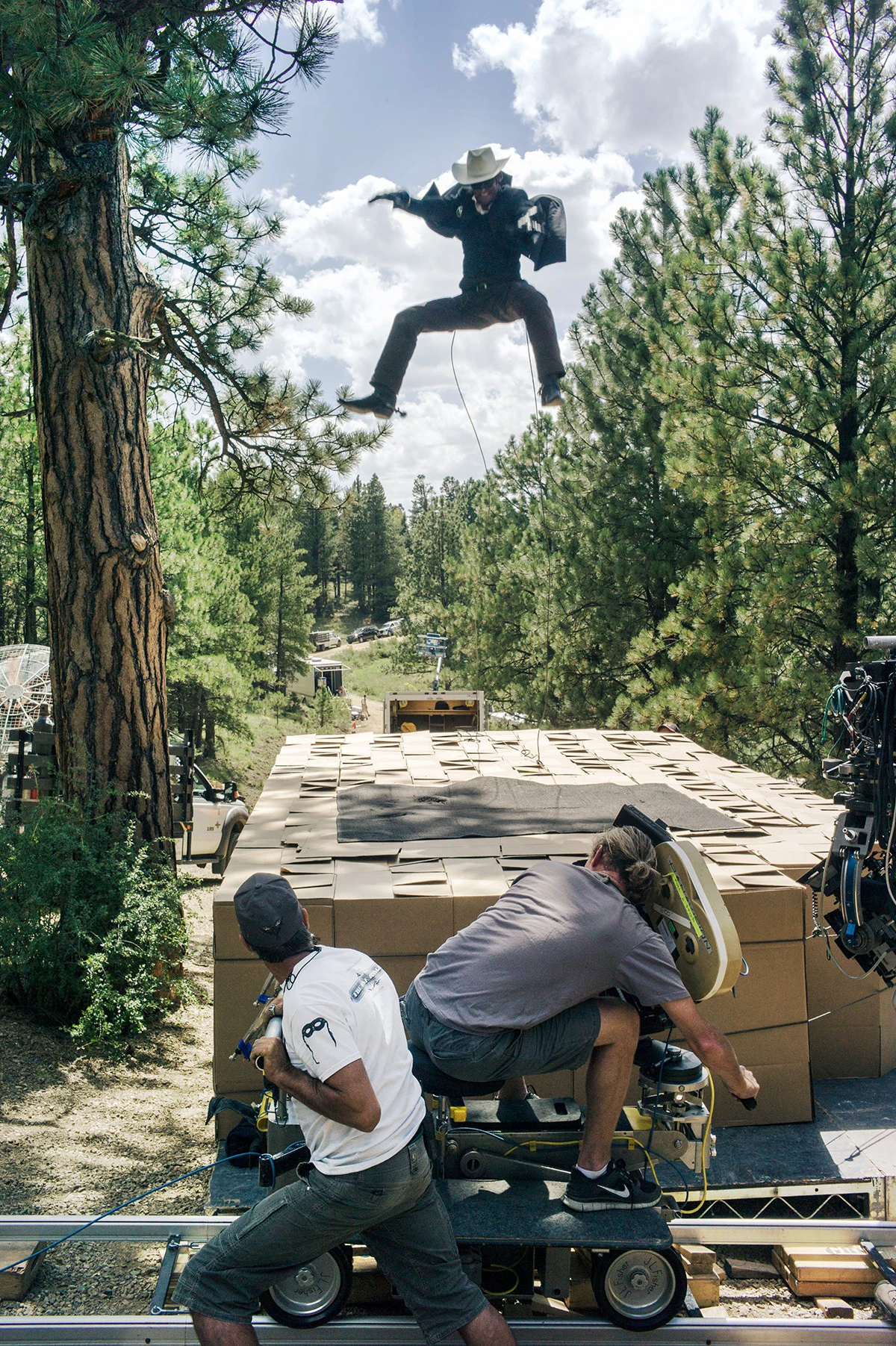
If you are preparing a global expansion video project, start by organizing your brief, visual references, product or company materials, delivery platforms, and licensing scope before reviewing.Overseas Marketing Video Services Page, translating abstract preferences into actionable production parameters.