Narrative Logic for Establishing Visual Focus
During early TVC planning, brands often struggle to bridge the gap between character emotion and product display. The core solution lies in redefining the hierarchy of visual language. Character performance should not merely serve as a backdrop but act as a dynamic path guiding the viewer’s eye toward the product. The creative team must define the interaction between person and object in every frame during the scripting phase, determining whether gaze or physical movement triggers the product showcase. This logic must be solidified visually in the storyboard to prevent focus drift from on-set improvisation. Without clear visual flow design, post-production editing cannot compensate for structural deficits in the original footage through pacing adjustments alone.
During execution, the director must map detailed sight lines, marking the alignment between the actor's gaze and key product selling points. The standard is whether viewers can naturally transition from the face to product details within three seconds. If testing reveals abrupt visual jumps, storyboards must be revised to add transitional actions or adjust shot sequencing.
Pre-Production Preparation and Risk Assessment
Brands must provide comprehensive selling point lists and reference imagery before launching the project. These materials guide the director’s vision and assess shooting feasibility. The production team must determine if special optics or macro equipment are needed based on references. If high-precision detail is required, confirm beforehand whether sample surface textures suit close-up filming. For instance, highly reflective materials easily reveal flaws under macro lenses, requiring specific anti-glare solutions. Additionally, casting must consider proportion relative to the product to ensure facial features do not overwhelm the subject in close-ups. Failing to verify these physical conditions early causes significant time waste and unusable footage on set.
Execution involves creating a physical attribute profile recording reflectivity, texture density, and dimensions. Risk assessment must include matching tests between hand morphology and product grip. Standards require samples to show no irreparable optical defects at simulated shooting distances, and body language to naturally complement rather than obscure key information.
Set Construction and Crew Coordination Mechanisms
Efficient on-set execution relies on close collaboration between art and camera departments. Set design must allow sufficient lighting space while ensuring background elements do not distract from the subject. Art directors should select complementary or harmonious background colors based on product tones to avoid visual conflict. Staffing should include a dedicated product supervisor alongside the standard crew to clean surfaces and check placement angles before every take.
Specific actions include establishing an on-set maintenance protocol with pre-roll checklists. Coordination requires cinematographers and gaffers to jointly determine key light positions during rehearsals to prevent overlap between rim lighting and product highlights. Standards dictate no stray reflections in the scene and optimal product presentation across all camera angles.
On-Set Lighting and Blocking Control
During shooting, coordination between gaffers and cinematographers determines how naturally performance integrates with product close-ups. Traditional lighting prioritizes facial beauty, but in product-centric TVCs, light must primarily serve texture rendering. Use softboxes with barn doors to precisely control contrast ratios, keeping talent in secondary brightness zones while maintaining sharp product highlights. Regarding blocking, minimize performance amplitude to avoid focus shifts caused by depth-of-field changes. Directors must monitor focus drift in real-time, adjusting camera position or aperture immediately if movement exceeds depth range. This precise control reduces reliance on post-production focus fixes and ensures raw footage quality.
Execute using small apertures to extend depth of field or employ focus stacking techniques. Actors require micro-expression training to ensure accurate eye focus. Standards demand visible product texture, normal facial exposure without blown highlights, and no noticeable focus breathing when shifting between subject and product.
Editing Rhythm and Gaze Guidance
In post-production, editors must strengthen the connection between talent and product through rhythm control. Simple cutting fails to achieve visual fusion; match-cutting techniques must align gaze direction or gestures spatially with product placement. Sound design is crucial here; lowering ambient noise and dialogue highlights subtle interaction sounds, auditorily guiding attention. If spatial relationships in footage are loose, digital zooming or cropping can reframe shots but sacrifices resolution. Therefore, rigorous pre-production is the foundation for post flexibility; forcing narrative shifts in post creates obvious visual dissonance.
Specific actions include creating dynamic masks to smoothly transition visual weight between talent and product. Sound editing requires layered processing to enhance frequency response of interaction effects. Standards demand high audiovisual synchronization, natural attention flow matching edit rhythm, and no jarring jump cuts or sync issues.
Unifying Texture via Color Grading and Compositing
Color grading must resolve consistency issues between skin tones and product color temperature. Subjects and products shot under different lights often exhibit color casts; colorists must establish unified LUTs to ensure harmony within the same frame. For CGI shots, pay special attention to lighting matches; virtual light direction and intensity must mirror actual set conditions. If AIGC assists in generating backgrounds or refining details, strictly limit its scope to avoid losing realism through over-processing. Internal reviews before delivery should focus on edge artifacts and highlight transitions. Unnatural compositing undermines brand professionalism and erodes viewer trust.
Execution requires waveform analysis to keep skin tone vectors within standard ranges. Composite shots need frame-by-frame lighting correction. Standards demand unified overall tone, no visible color banding, and consistent grain and noise levels between CG elements and live-action footage.
Multi-Dimensional Acceptance Checklist and Delivery Standards
Project acceptance should not focus solely on the final cut but establish a complete chain covering scripts, storyboards, rough cuts, fine cuts, grading, audio, subtitles, and masters. Brands must verify item-by-item that key selling points are clearly displayed within specified durations and that performances match brand tone. Confirm delivery formats, codecs, and resolutions meet platform requirements. As technical specs update frequently, re-verify official standards before delivery. Archiving source files is equally important; retain layered project files for future edits. If critical omissions or spec mismatches arise during acceptance, initiate corrections immediately to avoid delaying launch. Clear standards reduce communication costs and ensure timely, high-quality delivery.
Specific actions include creating detailed technical parameter checklists covering bitrate, color space, and audio levels. Acceptance workflows must include multiple feedback rounds with defined revision scopes. Standards require all deliverables to pass technical validation software and content to align with the initially approved creative brief.
Applicable Boundaries and Next Steps
TVCs emphasizing deep integration of talent and product do not suit all marketing scenarios. If products require extensive explanation or audiences prioritize price over emotion, prioritize information-dense explainer videos. Furthermore, if budgets cannot support high-precision macro work or refined post-production, forcing such visuals may yield rough results. Brands should objectively assess resources and goals to choose the best production model. Teams intending to start such projects should organize existing assets and brand guidelines, then consult professional production teams for feasibility assessments to clarify creative direction and technical challenges before entering formal production.
Recommendations include conducting small-scale audience tests to validate market acceptance of the visual style. Risk assessments must balance production costs against expected returns. Standards require project complexity to match team capabilities and anticipated reach to justify investment.
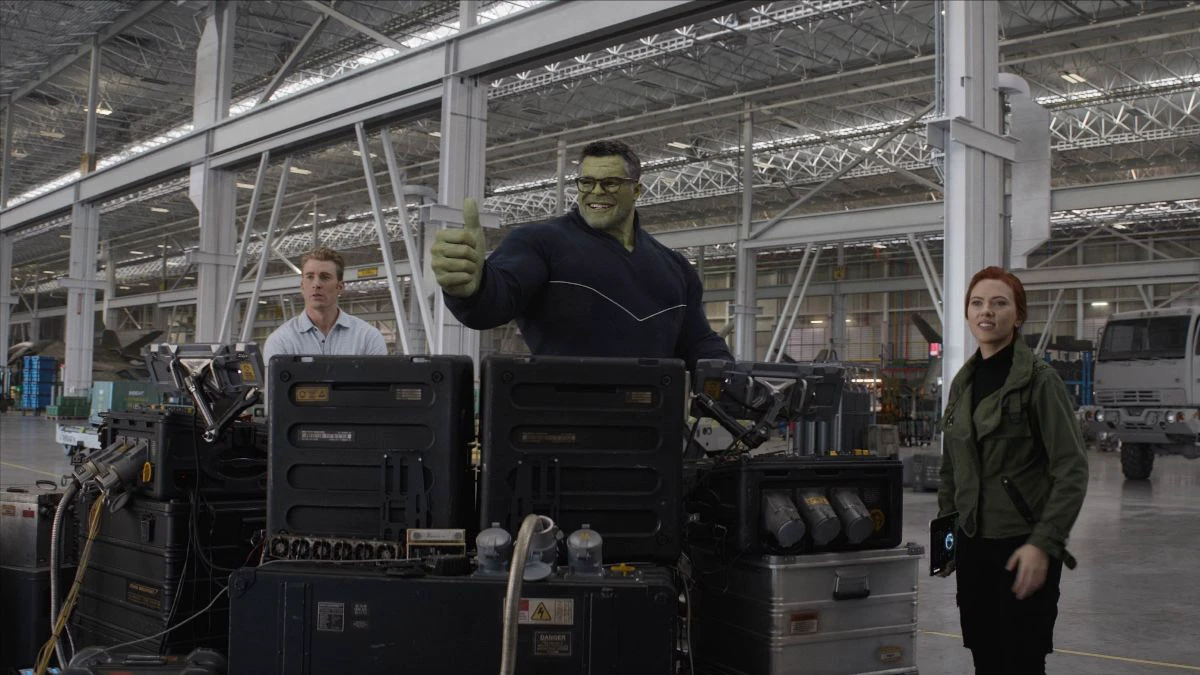
If you are preparing a TVC project, organize your brief, reference imagery, product or corporate materials, delivery platforms, and licensing scope first, then review theTVC Commercial Services Pageto translate abstract preferences into actionable production parameters.