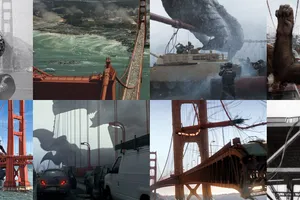
Establish the first frame as a core visual asset during project initiation.
In the startup phase of commercial video production, first-frame inspection is often mistakenly treated as a technical review after editing. This delayed mindset causes a severe disconnect between early creative development and later multi-platform adaptation. Brands and production teams must define the first frame as a visual asset independent of the main narrative during script approval. Project documentation should include a dedicated first-frame strategy table for each target platform, specifying aspect ratios, safe zones, and core information hierarchy. If the project involves multi-version delivery such as overseas marketing videos or social media shorts, the first-frame strategy table should serve as a prerequisite attachment to the storyboard.

The standard for a qualified first-frame strategy is its ability to convey core value independently of the video context. If a static screenshot fails to let viewers identify the brand subject or content theme within three seconds, the first-frame plan is deemed invalid. In such cases, return to the scripting phase to redesign the opening shot or create dedicated cover assets. The risk lies in ignoring platform algorithm weighting differences for static covers, causing high-cost dynamic content to be throttled due to insufficient first-frame appeal. An exception applies to pure brand image films, which may allow more abstract first-frame expressions, provided such artistic treatments are explicitly exempted from click-through rate KPIs in the contract. Failure to lock first-frame standards early leads to reshoots or VFX rework in post-production, directly increasing budgets and delaying schedules.
Reserve physical space on set for multi-version first frames.
During production, the Director of Photography and Production Designer must adopt a dual mindset of dynamic framing plus static composition. Referencing high-end industry VFX practices, complex shots often contain numerous replaceable or extensible visual elements. On a commercial video set, this means avoiding single-aspect-ratio framing. Cinematographers should overlay safe-zone guides for all platforms on monitors to ensure subjects and key props remain visually comfortable within every preset ratio. For product videos or TVCs, it is recommended to hold a few seconds of stillness or slow push/pull movement after each core take, providing clean, motion-blur-free footage for first-frame extraction.
Lighting setups must balance dynamic texture with static clarity. Strobe effects or high-contrast lighting that create atmosphere in video may cause exposure anomalies or lost detail when frozen. A dedicated photographer should capture high-resolution stills on set as backup or retouching sources for video first frames. Proper on-set execution is verified by explicit first-frame asset markers in daily continuity logs. Relying solely on post-production frame grabs risks quality degradation from sub-pixel sampling or compression artifacts. Insufficient margin reservation risks cropping out product logos or faces in vertical formats. Consequently, post-production may require AI outpainting or digital matte painting to fill edges, increasing costs and potentially compromising brand quality due to visible generation artifacts.
Build a layered first-frame workflow in post-production.
Editors and colorists should treat first-frame creation as an independent process rather than an ancillary task when handling commercial video projects. Create a dedicated first-frame sequence on the timeline, managed parallel to the main edit. This sequence must include static output nodes for each platform version, linked to corresponding color grading and graphics layers. When the main video's color style evolves, the first-frame sequence should update automatically to prevent mismatched tones between static and dynamic deliverables. For videos containing CGI or AIGC elements, render first frames at higher parameters than the main video to compensate for the human eye's heightened sensitivity to flaws in static viewing.
Subtitles and UI elements in first frames must follow a readability-first principle. Dynamic subtitles in video may appear too small or poorly positioned when static. Post teams should create dedicated static title layers for each platform version, adjusting font size, spacing, and contrast for small-screen viewing. A standardized post workflow allows first-frame files to be modified and exported without opening the main project. Tightly coupling first frames to the main edit forces full re-renders for minor cover adjustments, drastically reducing efficiency. Ignoring platform compression algorithms can erode text edges, resulting in blurry titles upon upload. Clients may reject deliverables or dispute payment if first frames appear visually disconnected from the final video during acceptance.
Checklist of first-frame decision materials required from brands.
To ensure accurate understanding of first-frame requirements, brands must provide structured materials before project kickoff. Primary documents include official design specification links or PDFs for each placement platform, noting version numbers and update dates. Second, provide a collection of competitor or benchmark first-frame examples, highlighting elements to emulate or avoid. Third, supply the static image application section of the brand visual identity manual, specifically hard rules regarding minimum logo size, background color values, and prohibited combinations. If the project involves endorsers or IP licensing, also provide portrait rights usage scope documentation to confirm whether static covers fall within authorized permissions.
Material completeness directly impacts first-frame approval rates. Materials are considered usable only if the production team can generate first-frame drafts without repeated verbal confirmation. Providing only adjectives like 'atmospheric' or 'premium' without specific references inevitably traps first-frame design in subjective guesswork. Risks arise when brands fail to align first-frame demands across marketing, e-commerce, and PR departments, leading to contradictory instructions for the production team. Missing materials cause repeated first-frame revisions that encroach on main video production time, ultimately forcing rushed finalization before delivery and sacrificing quality for schedule.
Standardized inspection process for multi-platform first-frame acceptance.
Acceptance requires technical verification mechanisms beyond visual inspection. Brands and production teams should jointly develop a first-frame acceptance checklist covering both technical metrics and content compliance. Technical checks must verify resolution, color space, and file size against latest platform requirements, and preview loading performance across different devices and network conditions. Content checks must confirm typo-free text, correct product models, authorized copyright materials, and redacted sensitive information. For serialized content, cross-compare style consistency and information continuity across episode first frames.
Full-process testing must be completed before official release. Use platform creator dashboards or third-party simulation tools for pre-upload verification rather than relying solely on local files. Acceptance passes only when all checklist items have written confirmation records, not verbal promises. If critical information is cropped on specific device models, immediately activate contingency plans such as deploying backup landscape covers or adjusting copy layout. Treating acceptance as a casual glance ignores implicit rule changes from platform algorithm updates. Post-launch violations may result in video takedowns or throttling, wasting all prior production investment and potentially triggering platform account penalties.
Applicable boundaries and failure scenarios for first-frame strategies.
Not all commercial video projects warrant heavy investment in custom first frames. When content is highly time-sensitive or news-oriented, over-designed covers can undermine authenticity and credibility. In such cases, use auto-generated frames or minimalist templates, focusing resources on content accuracy and distribution speed. Another boundary includes internal training or B2B technical demo videos where audiences are targeted and motivated; first frames need only clearly identify the topic without pursuing click-bait effects. Additionally, during major platform overhauls or algorithm testing phases, historical first-frame experience may become obsolete; maintain basic compliance and monitor data feedback closely rather than adhering rigidly to past successes.
Identifying failure scenarios is as important as formulating effective strategies. Simplify first-frame investment when its marginal contribution to core business objectives is low. If analytics show completion and conversion rates are driven primarily by mid-content hooks rather than cover attraction, reallocate production budgets accordingly. Applying high-specification first-frame workflows in unsuitable scenarios wastes resources and misaligns user expectations regarding content nature. Producing polished covers without corresponding returns, or worse, creating tonal mismatches between cover and content, erodes user trust and damages long-term brand equity.
Recommended next steps based on existing assets.
If preparing a new commercial video project, first analyze first-frame performance data from previously delivered videos across platforms to identify common traits of high-converting versus ineffective covers. Next, evaluate current workflow blind spots and redundancies against the four-stage checkpoints outlined herein: initiation, shooting, post-production, and acceptance. For upcoming projects, integrate first-frame strategy tables into creative brief templates, mandating simultaneous review during script meetings. ONCE has accumulated systematic delivery experience in corporate videos, brand films, TVCs, product videos, overseas marketing videos, social media shorts, and AIGC video production, covering the entire workflow from planning, shooting, editing, color grading, sound design, delivery, to content asset management. For professional consultation on first-frame adaptation for specific projects, contact us via our website for tailored support based on your actual business scenario.
If you are preparing a commercial video production project, start by organizing your brief, reference visuals, product or corporate materials, delivery platforms, and copyright scope, then review theVideo Production Solutions pageto translate abstract preferences into actionable production parameters.