Evaluating the Commercial Necessity of Still Assets During the Project Initiation Phase
When launching a TVC project, brands often assume that the video shoot will naturally yield usable still photography. This assumption frequently leads to issues later when print materials are needed, such as insufficient resolution in video frame grabs, cropped compositions, or poor lighting and texture quality. At the very beginning of the project, still assets must be planned as independent deliverables, and their specific use cases must be confirmed, whether for e-commerce detail page hero images, social media feed ads, offline store lightboxes, or press release images. Different use cases have vastly different requirements for aspect ratio, color space, and resolution. If these are not explicitly defined in the contract and technical documents, the production team will typically execute solely to video specifications, ultimately failing to provide static files that meet print or high-definition display standards.
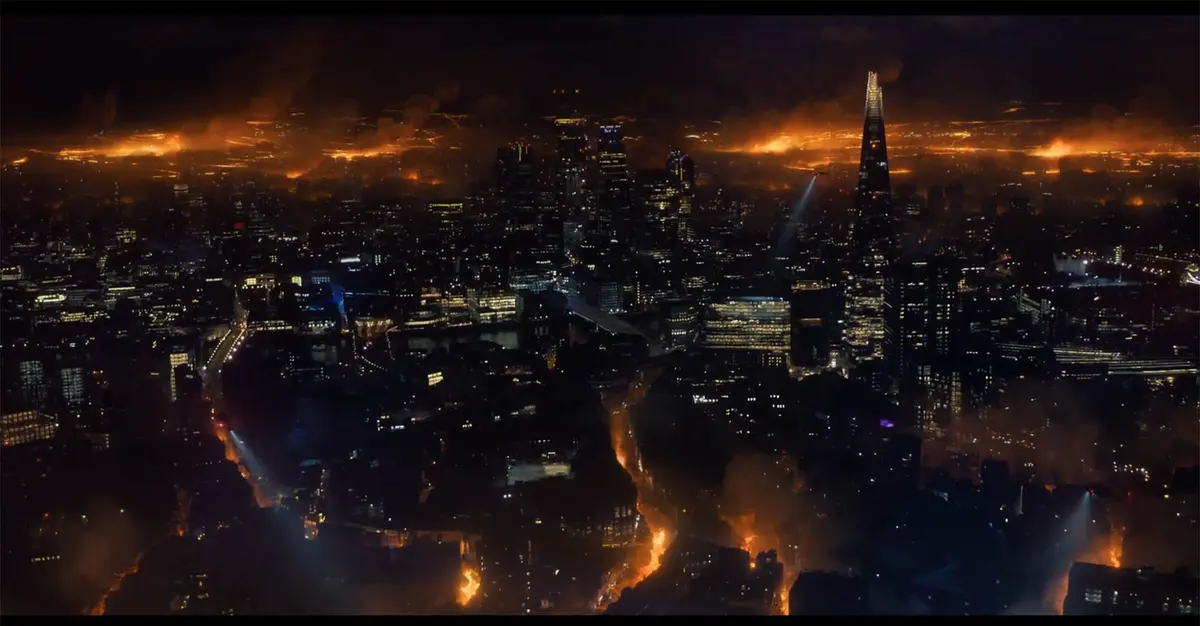
Determining whether to bundle still photography with a TVC project requires evaluating three core metrics. First is the need for visual consistency; if the brand wants the video and stills to convey a completely unified mood and art style, shooting both in the same session is the most efficient choice. Second is budget and schedule constraints; hiring a separate commercial photographer to build the same set may cost more than adding a still photographer during the video shoot. Finally, there is the asset reuse rate; if the script includes numerous product close-ups or emotional portrait shots, these frames naturally have the potential to be converted into stills. If the project is purely a narrative short with no product placement, or if the still creative concept is disconnected from the video script logic, forcing a bundle will only increase the on-set coordination burden and reduce the execution efficiency of the main video shoot.
Defining the priority of still and motion frames during pre-production.
The mapping between still and motion frames must be established during the script and storyboard phases. The production team should mark which shots correspond to key still frame requirements in the storyboard and reserve dedicated still photography windows. This window is a production phase that requires independent scheduling. For example, after an actor's most emotionally charged performance, set aside a few minutes specifically for the still photographer to adjust the composition and lighting, rather than capturing shots while the camera is rolling. The brand must provide a detailed still frame requirements list, including the number of images needed, aspect ratios, subject proportions, and safe margins. Without this list, on-set execution will be aimless, leading to the awkward situation of delivering images that are unusable.
Art and styling plans must balance dynamic continuity with static integrity. Video wardrobe may look best in motion but appear wrinkled or baggy when static; video makeup may be heavier to accommodate strong lighting and motion blur, yet look messy when enlarged into high-resolution stills. Fitting tests should be scheduled during pre-production to verify the performance of the same styling across both mediums. If the discrepancy is too great, two fine-tuned plans must be prepared or a priority medium must be established. This decision must be confirmed in writing by the brand before shooting begins to avoid on-set downtime caused by aesthetic disagreements. Meanwhile, copyright agreements must cover the scope of still image usage, as some talent portrait releases are limited to video playback, and use in print advertising may involve additional fees or legal risks, which must be clarified during the contracting phase.
Implement Dual-Track Technical Specifications On Set
On-set lighting setup is the greatest technical challenge for motion and still compatibility. Video lighting pursues continuous uniformity and layered transitions, while commercial still photography often relies on hard light to shape texture or flash to freeze the moment. Simply sharing video lighting often leaves stills lacking depth and sharpness, while frequently switching lighting systems severely slows down video production. The solution is to adopt a modular lighting strategy, where base lighting meets video exposure and color tone standards, while reserving quickly adjustable accent lights for stills. The still photographer should be equipped with lighting gear independent of the video crew, using fragmented time during video set changes or talent touch-ups to complete static lighting adjustments. This parallel workflow requires the on-set coordinator to possess exceptional process management skills, otherwise it can easily trigger resource conflicts between departments.
Equipment selection and parameter settings must be locked in advance. The single-frame extraction resolution of a video camera is limited by the recording format; even an 8K video frame yields only about 33 megapixels, and the color sampling rate is typically 4:2:2 or 4:2:0, which is insufficient for large-format printing or detailed retouching. If still frames are the core deliverable, a dedicated high-resolution camera must be arranged for simultaneous shooting, or a cinema-grade camera with high-resolution RAW output capability must be used. The brand must be aware that dedicated equipment will increase rental costs and data management overhead, but this investment is the baseline for ensuring the usability of still frames. Additionally, the on-set monitoring system should include a still-frame preview step; after each set of key still shots is completed, immediately review focus, expression control, and image flaws on a large screen, and confirm they meet standards before moving to the next step. Relying on post-production selection carries extremely high risk in commercial projects, as talent performance and lighting conditions are irreversible.
Independent Processing Workflow for Still Assets in Post-Production
Still image post-production is far more complex than simply exporting screenshots from a video timeline. Even when using the same source RAW footage, there are fundamental differences in the color grading logic for still images versus motion video. Video color grading must account for shot-to-shot continuity and color stability during motion, often employing relatively conservative contrast and saturation strategies; still images, however, allow for more extreme tonal reshaping and localized retouching on a per-frame basis. The post-production team should establish independent still image projects managed by specialists with commercial retouching experience, rather than assigning the work directly to video colorists. When reviewing stills, brands should not demand exact frame-by-frame color matching with the video, but should instead focus on overall brand tone consistency and the visual impact of each image as an independent piece.
Delivery specifications must be reconfirmed before post-production begins. E-commerce platforms, social media, and print materials all have specific restrictions regarding file formats, color profiles (such as sRGB, Adobe RGB, or CMYK), resolution, and file size. The production team should output multiple adapted file versions based on the distribution channel list provided by the brand. If product compositing or background replacement is involved, the keying precision required for stills is far higher than for video, with edge processing needing to be pixel-perfect. While AIGC tools can assist in expanding canvas sizes or repairing flaws, the accuracy and copyright compliance of generated content must be verified when used for commercial stills. All still image masters should retain complete layers and original RAW files to facilitate future re-editing. Delivering only flattened JPG files deprives the brand of future adjustment flexibility and constitutes an incomplete delivery.
The acceptance phase distinguishes between dynamic and static quality standards.
TVC project acceptance is often reduced to reviewing the final video, while the quality check of still frames is easily overlooked or delayed. It is recommended to set still frame acceptance as an independent milestone, progressing in parallel with the rough and fine video edits. The acceptance checklist should include both technical and creative dimensions. On the technical side, check resolution, noise control, white balance accuracy, lens distortion correction, and output format compliance; on the creative side, evaluate emotional delivery, product detail presentation, compositional balance, and consistency with the brand's visual identity system. Any failure to meet standards should be documented and require correction, rather than giving vague feedback like it just feels wrong. The brand should designate a reviewer familiar with print media to participate in this phase, avoiding reliance solely on the video team or procurement staff for judgment.
Revision requests must respect the characteristics of the medium. Video editing can mask single-frame flaws through pacing adjustments, but still frames leave nowhere to hide. If a still frame has focus shifts, uncontrolled expressions, or continuity errors, it usually cannot be perfectly fixed in post-production and may require reshoots or acceptance of downgraded use. When providing feedback, the brand should clarify the nature of the issue, distinguishing between must-redo items and optimizable elements. For structural omissions caused by unclear initial requirements, such as a lack of vertical framing, post-production fixes are extremely costly, requiring a reassessment of additional budget or usage plans. After acceptance, both parties should sign a still frame delivery confirmation, clarifying source file archiving responsibilities and subsequent usage rights to avoid ownership disputes after the project ends.
Identifying Scenarios Unsuitable for Simultaneous Motion and Still Production
Although combining motion and stills improves content asset efficiency, not all TVC projects are suited for this model. When a video uses high-speed cinematography, special filters, or extreme motion shots, its visual language fundamentally conflicts with standard commercial still photography aesthetics, and forced extraction will only yield blurry or distorted unusable frames. If the project timeline is extremely tight and every minute on set serves the video narrative, adding still photography will directly threaten the main schedule, requiring a decisive abandonment or rescheduling for a separate shoot. For TVCs heavily reliant on CGI or virtual production, the rendering pipeline is optimized for motion, and generating high-fidelity stills may cost far more than live-action photography, requiring a separate cost-benefit analysis.
Brand tone conflict is another key exclusion factor. If the video pursues a documentary, gritty, or experimental visual style while the print materials still require polished, bright, and standardized commercial portraits, the on-set lighting and performance direction will face irreconcilable contradictions. Trying to accommodate two opposing aesthetics in the same scene often leads to compromising both. Furthermore, if still frame requirements are not yet defined or are in an exploratory phase, tying them to TVC production too early will waste resources. It is recommended to first validate the direction with lightweight tests before deciding to include them in the formal project. Honestly assessing the boundaries of applicability ensures the professional quality of commercial content better than blindly pursuing shoot once, deliver multiple outputs.
Practical Preparation Recommendations Before Project Launch
If you are planning a TVC that includes still frame requirements, it is recommended to first compile a detailed list of static asset applications and cross-reference it with the video creative script. Discuss this list with the production team to jointly assess technical feasibility and cost increments, rather than adding requirements temporarily after signing the contract. In TVC, brand commercial, and product video production, ONCE supports integrating still frame assets into the overall content strategy for unified planning. We recommend that brands clarify the expectations and boundaries of the dual motion-and-still track during the project brief stage, allowing the production team to allocate the appropriate technical resources and personnel structure. Thorough upfront alignment is the fundamental prerequisite for avoiding post-production rework and ensuring every frame delivers commercial value.
If you are preparing a TVC project, you can first organize your brief, reference visuals, product or company materials, delivery platforms, and copyright scope, and then view theTVC service pageto translate abstract preferences into actionable production parameters.