Assessing the Narrative Necessity of Physical Archives During Project Initiation
When launching a corporate video project, marketing leaders must first evaluate whether physical archives can effectively carry the core narrative. Many brands mistakenly assume that displaying old objects automatically conveys historical weight; however, if these archives lack a logical connection to current operations or future vision, the visuals become mere static museum displays. The key criterion is whether the object explains "why now" and "why us." If a thirty-year-old mold only proves longevity but fails to illustrate the lineage of today's precision manufacturing capabilities, it is an ineffective asset for a commercial video.
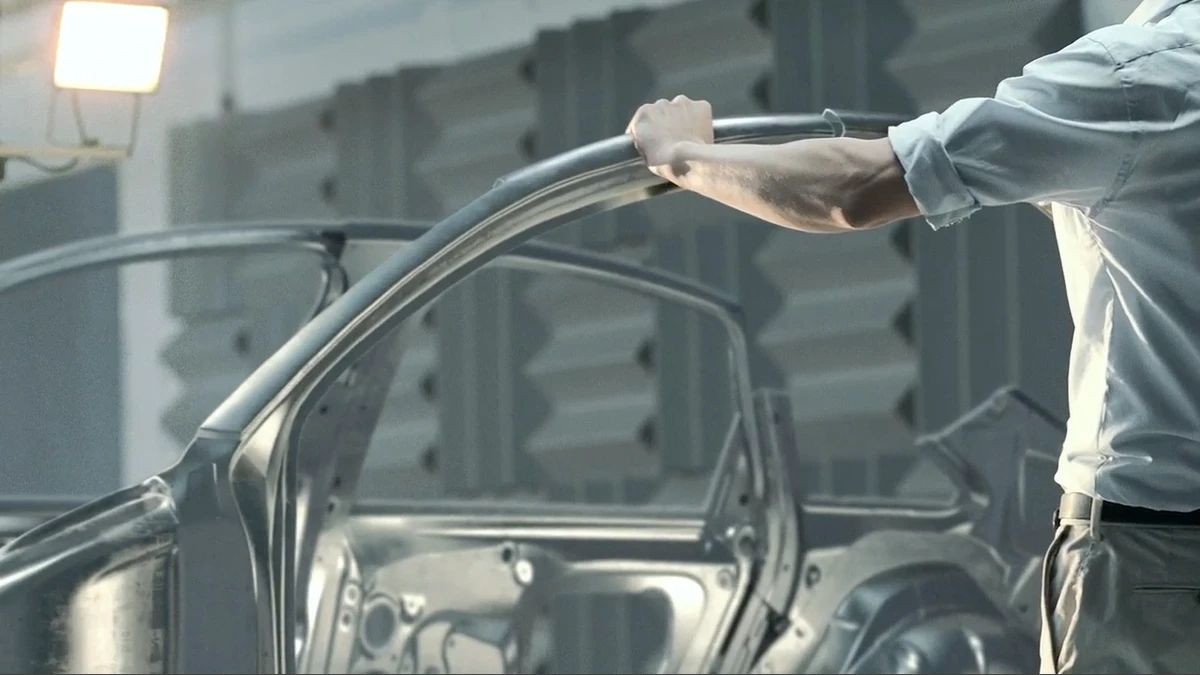
Project decisions must also consider the physical condition of archives and the cost of visual adaptation. Some paper documents or small parts may lack texture under standard lighting, requiring macro lenses, specialized lighting, or VFX to reveal details, which directly increases budget and schedule. Production teams should conduct test shoots of candidate archives during location scouting to verify their on-camera communication efficiency. If tests reveal excessive restoration costs or weaker-than-expected visual impact, teams should decisively abandon physical filming in favor of oral histories, motion graphics, or licensed stock footage. Blindly insisting on using items in poor condition often results in sluggish pacing and unclear messaging.
Archive Inventory and Rights Clearance Documents Required from the Brand
Effective use of physical archives relies heavily on comprehensive pre-production documentation. Brands cannot simply provide a pile of old items; they must submit a structured inventory including physical descriptions, historical context, and emotional anchors. The list should specify each item's dimensions, material, reflectivity, preservation status, and associated key events or figures. For example, a yellowed R&D notebook requires notes on which page records a core technical breakthrough, whether the paper is too fragile to turn, and the author's handwriting characteristics. These details ensure precise storyboard execution and prevent disputes arising from item damage on set.
Copyright and usage rights confirmation is another indispensable step. Although internal archives belong to the company, they may contain third-party intellectual property, portrait rights, or confidential information. If archives include private letters from former employees, unpublished technical drawings, or components bearing other brands' logos, legal review and redaction must be completed before filming. Production teams cannot assume infringement risks on behalf of the brand; therefore, contracts must clearly assign compliance responsibilities for provided materials. If a brand cannot provide complete proof of rights, the producer should exclude the item from the shoot plan or add liability waivers to the agreement to prevent takedowns or litigation after release.
Artifact Protection and Visual Restoration Strategies On Set
Filming physical archives differs from standard product videography, requiring a balance between artifact protection and visual capture. Directors of Photography must develop tailored lighting plans in advance to avoid irreversible damage to paper, textiles, or aged plastics from high-heat sources. For extremely fragile items, high-fidelity replicas should be prepared for multi-angle setups or mechanical movement shots, reserving originals strictly for static close-ups. A professional artifact handler or archivist must be present on set to execute or supervise all touching, moving, and cleaning. Unauthorized handling by the crew that causes damage leads not only to compensation claims but also severely damages trust.
Visual restoration focuses on 'perceived authenticity' rather than 'absolute authenticity.' Old objects often bear dust, scratches, or oxidation, serving as both historical evidence and visual distractions. Directors must confirm with the brand on set which imperfections to retain for credibility and which to clean or retouch for better aesthetics. Over-restoration makes archives look like new props, while no treatment may result in messy visuals. A layered shooting approach is recommended—recording both original and ideal states—to allow flexibility in post-production. Additionally, capture ample environmental B-roll and hand interactions to help viewers understand context and scale during editing, avoiding cognitive gaps caused by isolated close-ups.
Narrative Integration of Archival Footage in Post-Production
Editing is crucial for transforming discrete archival elements into a coherent story. Editors should not merely insert archive shots as transitional filler but weave them into the causal chain. Effective integration uses archives as clues solving current problems or evidence validating future promises. For instance, match cuts can dissolve lines from old blueprints into modern CAD interfaces, or transition an old craftsman's hand movements to robotic arms on an automated line. Such visual rhetoric is more persuasive than voiceover narration and better suits video media dynamics.
Color grading and sound design must serve the era-specific feel and emotional tone of the archives. Old objects often have low saturation and contrast; applying vibrant modern commercial grading directly creates jarring dissonance. Colorists should establish independent color management workflows for archival shots, preserving historical texture while ensuring harmonious transitions with the overall film tone. For audio, capture physical sounds of the items themselves (e.g., page turns, metal friction) as a base layer, overlaid with ambient sounds or music to enhance atmosphere. Avoid stereotypical combinations of nostalgic filters and slow piano music for all historical segments, as this strips distinct periods of their character and weakens narrative precision.
Archive Presentation Checklist for Delivery Acceptance
Acceptance of corporate videos should not rely solely on subjective impressions; objective checks are required for physical archive segments. First, verify information accuracy, ensuring text, symbols, and date markers match provided materials exactly, with no post-production alterations to original data. Second, assess visual clarity to confirm key details remain identifiable on target platforms without information loss from compression or cropping. Third, validate narrative continuity by checking if archive placements have contextual support and whether removing them disrupts overall logic. Finally, confirm legal compliance, ensuring all featured items are authorized and sensitive information is properly redacted.
Acceptance should also include delivery of source files and metadata. Brands may need to reuse archival assets across other channels later, so producers must provide ungraded raw footage, layered project files, and detailed item indexes. Indexes should include filenames, corresponding item IDs, shooting parameters, clip timecodes, and copyright notes. Without this structured data, digital asset management becomes chaotic, significantly increasing costs for future secondary creation. If the contract includes AIGC-assisted restoration or generation, the scope and extent of AI involvement must be separately annotated for future audits or relicensing.
Applicable Boundaries and Alternative Paths for Physical Archive Solutions
Not all brand histories suit physical archive presentation. When companies lack tangible remnants, archives are too abstract or sensitive, or target audiences are indifferent to material artifacts, forcing physical elements can backfire. For example, early code printouts mean nothing to non-technical audiences, financial ledgers may involve client privacy, and startup histories rarely warrant museum-level treatment. In such cases, consider alternatives: employee interviews for oral history, data visualization for growth trajectories, reenactments for key scenes, or abstract art installations to symbolize spiritual heritage.
Even when using physical items, beware of the 'archive worship' trap. Some projects invest heavily in filming rare collections yet neglect contemporary business expression, resulting in documentaries rather than commercial promos. Production teams must remind brands to control the proportion of historical content, ensuring archives serve business goals rather than self-indulgence. If archival footage crowds out space for products, services, or values, promptly suggest cuts or version splits. Remember, the ultimate goal of a corporate video is building present trust and future expectation; history is merely one means to achieve this.
Practical Preparation Recommendations Before Project Launch
If you are considering incorporating physical archives into a corporate video, please complete three foundational tasks first. First, conduct an internal audit to select 3-5 representative items, accompanied by brief descriptions and current photos. Second, clarify who needs to receive what message from these items and how strongly that message aligns with current marketing goals. Third, consult a professional production team for a feasibility pre-assessment instead of presuming a shooting plan yourself. ONCE has accumulated relevant experience in corporate, brand, and company image film production, helping you assess archive strategy fit and plan execution paths. Solid preparation improves communication efficiency and reduces the risk of the final product deviating from expectations.
If you are preparing a corporate video project, start by organizing your brief, reference visuals, product or company materials, delivery platforms, and licensing scope, then visitCorporate Video Services Pageto translate abstract preferences into actionable production parameters.