First, determine if this Short is worth greenlighting.
Social content for global brands is often treated as a compressed TVC, but YouTube Shorts viewing contexts and completion logic differ entirely from long-form video. Before approval, answer three questions: First, does this content serve a specific overseas market goal, such as new product awareness, seasonal promotions, or brand storytelling? Second, is the target audience accustomed to consuming information in a fast-paced vertical format? If targeting B2B decision-makers or high-ticket products, Shorts may not be the best choice. Third, can the core selling point be clearly conveyed visually with text within three seconds? If it requires lengthy explanation, opt for mid-length videos or landing page videos instead.
The criterion is to write one sentence summarizing what the viewer should remember; if it exceeds twenty words, the selling point is too complex. A common risk is brands simply re-editing corporate promo footage into Shorts, resulting in mismatched aspect ratios, subtitle sizes, and pacing that hurt completion rates. An exception applies when brands possess high-quality horizontal assets; these can be adapted vertically using zoom-ins and dynamic cropping, but titles and opening hooks must be redesigned rather than copied directly.
At this stage, the production team must deliver a one-page project brief outlining communication goals, audience personas, key selling points, reference accounts, and three alternative titles. The brand must provide high-resolution product images, brand color codes, typography guidelines, an existing asset inventory, and competitor social media accounts. If the brand cannot supply these materials, the project should be paused until they are complete; otherwise, extensive rework will occur later.
The title is part of the opening hook, not an afterthought added at the end.
Many teams incorrectly wait until editing is finished to write the title. YouTube Shorts titles appear directly on the playback page and in search results, working alongside the opening visuals to determine whether viewers continue watching. Titles should be finalized during the scripting phase and align with the opening visuals. For example, if the opening features a product close-up with a rapid zoom, the title might build suspense around concepts like 'Spot the difference in 3 seconds,' but avoid exaggerated claims such as 'Guaranteed to work' or 'Number one online,' as both platform algorithms and audiences dislike them.
Specifically, draft three candidate titles, each under 60 characters and containing either a specific number or a counter-intuitive phrase, such as '3 Mistakes' or 'Why No One Tells You.' Then, have people from diverse cultural backgrounds review them to ensure there is no ambiguity or offense. The criterion is whether the title entices clicks without disconnecting from the visual content. The risk is that overly clickbaity titles may yield high click-through rates but low completion rates, causing the platform to reduce recommendation priority.
An exception applies when a brand has an established audience and can use brand slogans or serialized titles, such as 'Brand Name + Episode Number,' though this is not recommended for new accounts. The production team must note the correspondence between the title and opening visuals in the script, specifying which text and actions appear at each second, ensuring sufficient footage is captured to support the title's promise.
The visual design of the first three seconds determines the completion rate.
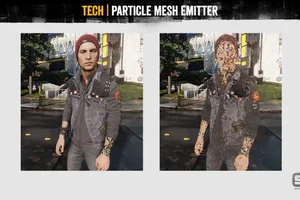
YouTube Shorts' autoplay and swipe mechanics lead viewers to decide within fractions of a second whether to stay. The first three seconds must include a visual stimulus, such as human movement, product motion, color contrast, or pop-up text. Referenced cases combining retro effects with modern styles focus on creating visual conflict; brands need not copy these effects but should learn how to construct this sense of conflict. For instance, a traditional handcrafted product could open with a modern robotic arm to create a contrast between old and new.
During execution, the production team should design at least three opening concepts, each detailing visual content, pacing, text overlays, and sound cues. During filming, shoot extra takes of the opening shot to ensure bold, fast movements against a clean background. The test is whether the first three seconds still convey information when muted; if not, the video relies too heavily on subtitles or music.
The risk is sacrificing brand recognition for speed, resulting in viewers remembering the visuals but not the brand. An exception exists for brands with significant prior exposure, which may display the logo immediately; however, new brands should prioritize showcasing product value first. In post-production, edit the pacing of the first three seconds separately rather than uniformly with the rest of the video, as viewer patience diminishes over time.
Key pre-production priorities are the asset checklist and permissions.
Shooting global brand videos often involves footage from multiple countries or regions. Social media content, in particular, may incorporate UGC, licensed music, or third-party assets. Before filming, the production team must confirm copyright ownership of all assets with the brand, including talent likeness rights, location permits, music licenses, and font usage scopes. If using AIGC-generated content, verify that the tool’s terms of service permit commercial use and retain generation logs.
Specifically, the production team should produce an asset checklist detailing the props, talent, wardrobe, locations, and special equipment required for each shot, indicating which items the brand must provide versus those supplied by production. The brand must supply physical products, packaging, brand guidelines, and any existing brand assets. The standard is that every checklist item has a designated owner and deadline; otherwise, items may be missing on shoot day.
A risk is that high-resolution assets provided by the brand may contain unauthorized third-party logos or individuals, requiring post-production blurring that degrades image quality. An exception applies if filming occurs entirely within a controlled studio using original props, allowing simplified clearance, though written confirmation remains necessary. After wrapping, the production team must immediately back up raw footage and log shooting parameters for each shot to facilitate color grading and VFX matching.
Post-production is not merely editing; it is redesigning the narrative pacing.
YouTube Shorts typically run under a minute, yet still require a complete narrative arc. Editing should organize footage around an opening hook, core message, and closing call to action. With the hook designed separately, the middle section must quickly highlight key selling points, reinforced via text overlays, motion graphics, or rapid cuts. The closing CTA should be clear, such as “Follow for more” or “Click the link for details,” avoiding aggressive engagement prompts, as international audiences prefer organic guidance.
In execution, the editor should first assemble a rough cut, then separately review the opening three seconds, information delivery, and ending pacing. For color grading, global brand videos must maintain consistency, though Shorts may benefit from increased saturation and contrast for mobile viewing. Sound design requires special attention since many viewers watch muted; subtitles must be legible and avoid obscuring key visuals. Use brand-specified fonts for subtitles; if none exist, select a sans-serif typeface to ensure readability at small sizes.
A risk is prioritizing flashy effects over message clarity in post-production, leaving viewers unsure what the brand sells. An exception is pure brand-awareness content, where product details may be minimized provided distinct brand memory cues remain. Upon delivery, output multiple versions—including captioned, non-captioned, various aspect ratios, and silent edits—to accommodate different distribution channels.
Acceptance focuses on verifying items against the checklist.
During acceptance, the brand should not assess overall impact alone but verify each item against the previously approved script, storyboard, and asset checklist. The acceptance checklist must include at least: whether communication goals are met, if core selling points appear within three seconds, title-visual alignment, subtitle accuracy and spelling, color consistency, audio clarity, music licensing status, correct brand logo and color values, and proper licensing for all third-party assets.
Specifically, upon receiving the final video, the brand should first view it muted to assess visual narrative completeness, then with sound to evaluate pacing and tone. Next, test playback across devices—including phones, tablets, and computers—to confirm proper framing and subtitle display. The criterion is that each acceptance item receives a definitive pass or fail determination, with failures noting specific reasons and revision requirements.
The risk is that brands focus solely on creative impact while overlooking technical details, such as subtitles exceeding safe areas or color shifts, causing platforms to compress video quality upon upload. As an exception, if the project timeline is tight, acceptance can be phased—for example, approving a rough cut before the final cut—but each stage must be documented in writing. Upon final delivery, the production team must provide master files, source files, subtitle files, and copyright proof for all assets, which the brand should securely retain for future revisions or legal compliance.
When Not to Use YouTube Shorts
Not all global expansion videos are suitable for Shorts. If a product requires detailed demonstration, such as software tutorials or complex machinery, the short duration is insufficient; mid-to-long-form videos or landing page videos should be used instead. If the target audience primarily uses LinkedIn or professional forums, vertical short videos will be less effective than horizontal demo videos. Without a consistent content update plan, producing a single Short is unlikely to yield sustained results, as platform algorithms favor active accounts.
The criterion is that if core selling points cannot be clearly conveyed visually and textually within fifteen seconds, or if viewers need to pause to think, the content is unsuitable for Shorts. The risk is that brands produce Shorts merely to follow trends, wasting budget without generating meaningful conversions. An exception applies when a brand already has a successful long-form video that can be repurposed into several Shorts as traffic drivers, provided titles and openings are redesigned rather than directly clipped.
During initial discussions, the production team should proactively ask about the brand’s long-term content strategy; if only a one-off video is planned, a strategic adjustment is recommended. Brands may also request an integration plan linking Shorts and long-form content, such as directing viewers to the full version at the end of a Short, ensuring seamless link navigation.
Recommended Next Steps
If a brand decides to launch a YouTube Shorts project, it is advisable to first prepare an internal brief defining communication objectives, target audiences, and core selling points, and to collect at least five competitor or reference Shorts for style guidance. Then, hold a kickoff meeting with the production team to confirm title directions, opening concepts, and asset lists. Maintain weekly progress syncs during filming and post-production to avoid major late-stage revisions. During acceptance, strictly verify items against the checklist rather than relying solely on subjective impressions. Finally, monitor completion and click-through rates after publishing, but avoid rushing to conclusions; accumulate at least one week of data before adjusting strategy. ONCE has public service experience in global brand videos, overseas marketing videos, and social media short videos, and can be considered as a potential production partner, though specific collaboration should be discussed based on actual project needs.
If you are preparing a global brand video project, start by organizing your brief, visual references, product or company materials, delivery platforms, and copyright scope before reviewing theOverseas Marketing Video Services pageto translate abstract preferences into actionable production parameters.