The True Role of Slow Motion in TVC Commercials
Slow motion isolates product moments from real time, allowing viewers to see details usually overlooked. It creates a visual focal point, amplifying the product's structure, texture, motion path, or emotional impact to a perceptible level. When initiating a project, brands must first ask what problem the slow motion solves: enhancing liquid splashes, highlighting mechanical precision, or adding emotion to usage scenarios. Different objectives require different shooting plans and post-production investments.
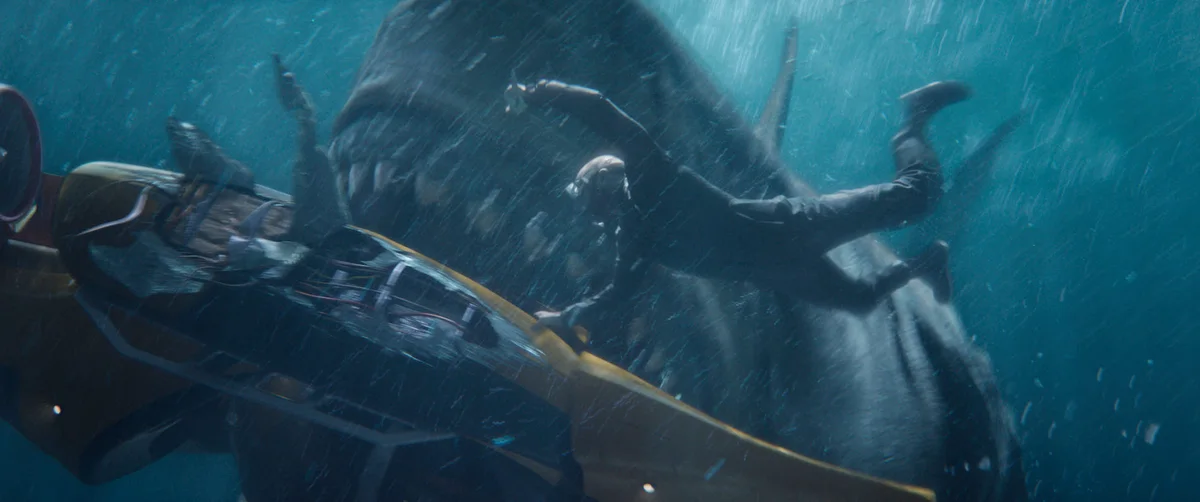
The criterion is that slow motion must serve a definable selling point. If the moment's purpose cannot be stated in one sentence, the slow motion is likely merely decorative. The risk is that overusing slow motion drags down the pacing and tests viewer patience. An exception occurs when a product lacks obvious dynamic features; slow motion can then create atmosphere, but this requires stronger art direction and sound design.
Core Materials Brands Must Prepare Before Project Kickoff
When briefing the production team, brands should prepare at least four types of materials. First is the communication objective: what this TVC aims to achieve, whether raising awareness, explaining features, or reinforcing brand image. Second is the audience profile, including age, consumption habits, and viewing context, which influences slow-motion pacing and style. Third is a list of key selling points, each tied to a specific product moment, such as opening, pouring, colliding, transforming, or lighting up. Fourth is visual references from competitors, films, short videos, or natural phenomena, as visuals communicate more accurately than text.
Upon receiving these materials, the production team must confirm three key points. First is the physical feasibility of the slow motion; certain moments require high-speed cameras or special lenses, so budget and schedule must be verified. Second is the product's motion characteristics, as liquids, powders, solids, and elastomers each present unique filming challenges. Third is the delivery platform, since varying frame rates, bitrates, and playback environments affect the final slow-motion output. Brands should avoid vague directives like "make it look premium," which prevent the team from making informed trade-offs.
Three Typical Structures for Slow-Motion Creatives
The first is product-led, where slow motion focuses directly on the product to showcase its texture, structure, or functional details. This structure suits tech products, beauty, and food and beverage, allowing viewers to clearly perceive product quality. The second is scene-led, placing slow motion within a usage context to imply product value through human action and environmental interaction. This approach fits sports gear, home goods, and automobiles. The third is emotion-led, using slow motion to amplify facial expressions, gestures, or lighting changes; the product occupies less screen time but conveys the brand message through emotion.
When selecting a structure, brands must assess the product's visual appeal on screen. If the product lacks visual impact, a scene- or emotion-led approach may be more suitable. However, note that emotion-led concepts demand higher acting and directing skills, along with strong color grading and sound design in post-production. The risk is that if the product appears too briefly, viewers may not remember the brand, so a product close-up is typically retained at the end or at key frames.
Designing Slow-Motion Pacing During Storyboarding
The storyboarding phase must define the start and end points, duration, and transitions of slow-motion sequences. A common mistake is using slow motion throughout the entire film without speed contrast, which quickly fatigues viewers. The recommended approach is to establish a normal-speed lead-in to ground the viewer’s sense of time, cut into the slow-motion moment, and then return to normal speed or accelerate afterward. This maximizes the impact of the slow motion.
Specifically, annotate speed changes for each shot in the storyboard, such as shifting from 24 fps to 120 fps and back to 24 fps. Also mark the slow-motion trigger points, whether product contact, collision, splashing, or a change in facial expression. The production team must assess the shooting difficulty of each slow-motion shot, determining if high-speed cameras, additional lighting, or stabilization are required. Brands should verify that each slow-motion shot corresponds to a selling point; if not, consider removing or merging it.
Key Control Points During Production Execution
When shooting slow motion, frame rate determines the final visual speed. Projects typically use 60, 120, 240 fps or higher, but the specific rate depends on the product's movement speed and visual requirements. Pay attention to lighting during filming; high-speed photography requires stronger illumination due to short exposure times. Also monitor the motion path to ensure the product’s trajectory remains clear in slow motion, avoiding distracting backgrounds. Dark or solid-color backdrops are recommended to make the product stand out.
The production team must prepare sufficient storage and backup solutions, as high-speed photography generates large amounts of data. On-set playback reviews are essential to confirm slow-motion effects meet expectations rather than discovering issues in post-production. Brand representatives should participate in approving key shots on set, especially verifying that product appearance, logo, and core selling points are clearly visible. Failing to confirm these on set risks costly and time-consuming reshoots during post-production.
How Post-Production Enhances Slow-Motion Visual Impact
Post-production involves speed ramping, frame interpolation, color grading, and sound design. Speed curves create smooth ease-in and ease-out transitions, avoiding jerky motion. Frame interpolation improves fluidity but overuse can cause halos or artifacts, so apply it based on footage quality. Color grading should match the slow-motion mood, often by reducing contrast or boosting saturation, but avoid excess to prevent product distortion.
Sound is critical for slow motion. While audio is continuous at normal speed, slow motion requires redesigned soundscapes. Retain low-frequency ambient tones or add detailed foley for product movement, such as liquid flow, metal clinks, or fabric rustling. These sounds must be recorded separately or synthesized, not captured from live location audio. Brands should review whether the audio matches the visuals and enhances product texture.
Acceptance Checklist and Delivery Standards
During acceptance, brands should verify each stage item by item. First, check if the script and storyboard were executed as planned without missing shots. Second, confirm footage completeness and that slow-motion shots achieve desired results. Third, ensure the edit flows smoothly with pacing aligned to communication goals. Fourth, verify consistent color grading and accurate product colors. Fifth, check audio clarity and balance between music and sound effects. Sixth, confirm subtitles and logos meet standards and contain no typos.
Upon delivery, specify master format, resolution, frame rate, codec, and color space. Different platforms have varying requirements; for example, social media and TV ad specs differ. Brands should request technical documentation and playback tests from the production team to ensure proper display on target platforms. Also confirm copyright ownership covering footage, music, fonts, and talent likeness rights.
When Slow Motion Is Unsuitable and Alternative Solutions
Slow motion is not a universal solution. It may fail to convey abstract attributes like cost-effectiveness or durability when the product itself is static. Additionally, if budgets are limited, expenses for high-speed cameras, lighting, and VFX may be prohibitive; consider animation, 3D rendering, or AIGC instead. For instance, CGI simulations of liquid splashes or mechanical movements can be more cost-effective and easier to control.
Slow motion is also unsuitable when showcasing fast-response performance, as it can mislead viewers. For example, showing a quick-drying paint in slow motion may falsely suggest it dries slowly. In such cases, use normal speed or time-lapse instead. Brands must ensure slow motion aligns with the actual user experience to avoid misunderstanding.
Recommended Next Steps
If you are considering slow motion for your TVC project, conduct an internal creative test first. Capture candidate moments on a phone and apply simple slowdown effects in editing software to evaluate the results. Then, share these test samples and key selling points with the production team during pre-production discussions. Focus on confirming feasibility, budget, and timeline. Avoid rushing into filming; thorough preparation minimizes post-production rework.
When preparing a TVC project, gather your brief, visual references, product or company materials, delivery platforms, and licensing scope before reviewing theTVC Services pageto translate abstract preferences into actionable production parameters.